

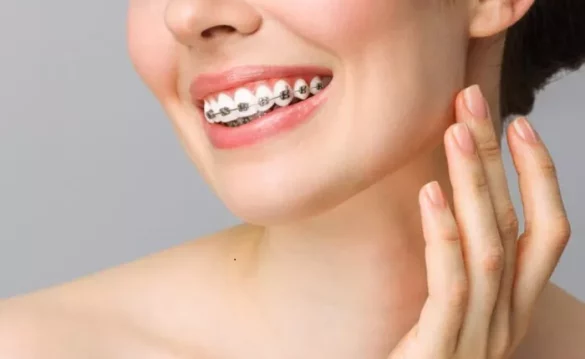
Braces are designed to straighten your teeth, fix misalignment, and improve bite function. Whether you have crowded teeth, gaps, or an overbite, braces use steady, gentle pressure to gradually reposition your teeth over time.
How Braces Work
The braces system includes brackets, archwires, and sometimes rubber bands. The brackets are bonded to your teeth, while the archwire connects each bracket, applying controlled pressure to initiate movement. Over time, this force alters the bone structure supporting the teeth, guiding them into their new positions.
Initial Force and Tooth Response
Once braces are applied, the archwire begins to exert force on the teeth. This tension stimulates cells in the periodontal ligament and surrounding bone, triggering bone remodeling. This process allows teeth to shift steadily while maintaining their structural integrity.
When Do Teeth Begin to Move?
Teeth can start moving within a few days after braces are placed. However, visible changes typically appear between 4 to 6 weeks. The pace depends on the individual’s dental condition, age, and biological response.
First Week: Subtle Biological Changes
During the first few days, patients may not see movement but may feel mild discomfort or pressure. This is a sign that your body is responding to the force applied by the braces.
First Month: Small Shifts
By the end of the first month, slight movement may be visible, especially in teeth that were most out of alignment. Your orthodontist may make small adjustments to the wire to continue progress.
Factors That Influence Tooth Movement
1. Age
Younger patients usually see faster progress since their jawbone is still growing and more adaptable. Adults may experience slower movement due to denser bone structure.
2. Severity of Misalignment
More complex dental problems require longer periods to correct. Severe crowding or bite issues often take more time to show noticeable results.
3. Type of Braces
Traditional metal braces are effective for all types of cases, while clear aligners and ceramic braces may show slower progress for complex movements.
4. Oral Hygiene
Good oral hygiene supports effective treatment. Gum disease and poor brushing can delay tooth movement by causing inflammation and damage to the supporting tissues.
5. Biological Response
Each person’s body reacts differently to orthodontic forces. Some may experience faster bone remodeling, while others take longer.
The Role of Regular Adjustments
Orthodontists typically adjust your braces every 4 to 6 weeks. These sessions involve tightening the archwire or adding new components to continue tooth movement. Missing appointments can delay progress significantly.
Why You May Not See Immediate Results
Tooth movement is gradual. Even if your teeth begin shifting early, changes are often too small to notice in the first few weeks. Patience and consistency are crucial.
Early Pressure vs. Long-Term Changes
Although braces apply pressure from the start, the biological changes in the bone and tissues take time. Long-term improvements are more visible around the 3-month mark.
What You May Feel After Getting Braces
Initial discomfort is normal. This may include sore gums, sensitive teeth, and tightness. These sensations are signs that your braces are working.
Managing Sensitive Teeth
Tooth sensitivity is common during early treatment. Use a soft-bristled toothbrush and toothpaste for sensitive teeth. Avoid hard or sticky foods that may aggravate discomfort.
Gum Disease and Tooth Movement
If gum disease is present, it can slow down the progress of orthodontic treatment and cause complications. Inflammation, bone loss, and receding gums may limit tooth movement and stability.
Importance of Periodontal Health
Before starting braces, your orthodontist will evaluate gum health. Treatment for gum disease may be necessary before or during orthodontic care to ensure safe and effective tooth movement.
Tracking Your Progress
Photographs, X-rays, and regular checkups help monitor your progress. Ask your orthodontist to show you changes during each visit, especially if movement seems slow.
When to Expect Visible Results
Although slight movement begins within the first month, most patients notice significant visual changes between 3 to 6 months. Full treatment often takes 18 to 24 months depending on complexity.
Speeding Up Tooth Movement Safely
Maintain Good Oral Hygiene
Brush twice daily and floss regularly. Gum disease can stop your progress and even damage your teeth.
Follow Instructions Carefully
Wear rubber bands, spacers, or aligners exactly as directed. Inconsistent use slows results and extends treatment time.
Avoid Damaging Habits
Chewing on pens, eating hard foods, or not using a mouthguard during sports can damage braces and delay progress.
Can Teeth Move Too Fast?
Yes. If excessive pressure is applied too quickly, it can damage roots and bone. Orthodontists carefully manage the pace to avoid harm. Controlled movement is key to healthy and stable results.
Signs That Your Braces Are Working
- Spaces between teeth beginning to close
- Noticeable shift in tooth alignment
- Looseness in some teeth (normal and expected)
- Pressure or soreness after adjustments
What If Teeth Aren’t Moving?
If no change is noticed after several months, speak with your orthodontist. Issues like poor compliance, breakage, or undiagnosed gum disease could be causing delays. Early intervention is essential.
After Braces: Retainers and Stability
After your braces come off, your orthodontist will give you a retainer to wear. This helps hold teeth in their new position while the bone stabilizes. Failure to wear the retainer can cause teeth to shift back.
Retainer Use Is Crucial
For the first 6 months post-braces, retainers are usually worn full-time. Over time, usage can often be reduced to nighttime wear, depending on your provider’s advice.
Conclusion
Braces begin moving teeth almost immediately, though the process is gradual and varies by person. Staying consistent with care, managing sensitive teeth, and addressing any gum disease will ensure steady, effective progress. With the right approach and guidance, you’ll be well on your way to a healthier, straighter smile.
