


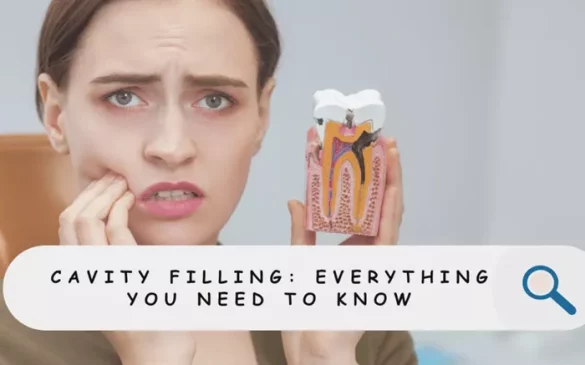
A dental filling is a common treatment for cavities. It stops decay, restores function, and protects the tooth from further damage. However, not all cavities can be treated with a simple filling. In some cases, the decay is too extensive. The goal of this article is to explain when a cavity is too bad to fill, how to recognize the signs, and what alternatives exist when a filling is no longer an option. This information also touches on related dental conditions such as gum disease and sensitive teeth.
What Is a Cavity and How Do Fillings Work?
A cavity is a hole in the tooth caused by tooth decay. This decay is the result of bacteria feeding on sugars and producing acids that erode enamel and dentin. Fillings restore the damaged part of the tooth using materials like composite resin, amalgam, or gold. This procedure stops further decay and restores function. But if the decay reaches too deep or affects surrounding tissues, filling may not be effective.
The Structure of a Tooth
To understand when a filling is no longer enough, you should know a tooth’s structure:
- Enamel – The hard outer layer that protects the tooth.
- Dentin – The softer layer beneath enamel that can transmit pain.
- Pulp – The innermost part containing nerves and blood vessels.
Once decay reaches the pulp, the situation becomes more complicated and often cannot be solved with a filling alone.
Signs a Cavity Is Too Severe for a Filling
There are several warning signs that a cavity may be too advanced for a filling:
1. Intense or Prolonged Pain
If the toothache is severe and doesn’t go away, it may indicate the decay has reached the nerve. In such cases, a root canal or extraction is often required.
2. Visible Pits, Holes, or Cracks
Large, deep holes in the tooth structure suggest the cavity has spread too much for a filling to hold securely. A dental crown or extraction may be necessary.
3. Infection or Abscess
An abscess is a pocket of pus caused by a bacterial infection. Signs include swelling, fever, or a bad taste in the mouth. This is a dental emergency and fillings are not appropriate.
4. Extensive Tooth Damage
When more than half of the tooth is decayed or broken, a filling can’t provide enough structural support. In such cases, dentists may recommend crowns or implants.
5. Involvement of the Pulp
If decay reaches the pulp, the nerve is infected. At this point, a root canal is usually necessary instead of a filling.
What Are the Alternatives When Fillings Don’t Work?
When a cavity is too bad to fill, dentists consider other treatments based on the extent of damage:
Root Canal Therapy
This procedure removes infected pulp, cleans the canal, and seals it. It saves the natural tooth and relieves pain.
Dental Crown
If the tooth structure is weak, a crown may be placed over it. This offers protection and restores function.
Tooth Extraction
When the tooth cannot be saved, it must be removed. Extraction is the last resort. Afterward, replacement options like bridges or implants can be discussed.
Dental Implants or Bridges
If extraction is performed, implants or bridges restore the lost tooth. Implants offer a permanent and strong alternative.
Gum Disease and Cavity Complications
Gum disease, or periodontal disease, can make cavity treatment more difficult. Inflammation, gum recession, and bone loss complicate the stability of fillings or crowns. If gum disease is present, it must be treated first. Otherwise, new restorations may fail.
Stages of Gum Disease
Gingivitis: Early stage with red, swollen gums that bleed easily.
Periodontitis: Advanced stage with gum recession, loose teeth, and bone loss.
Cavities in patients with periodontitis often require more complex treatment plans. A dentist may refer the patient to a periodontist before treating deep decay.
Sensitive Teeth and Deep Cavities
Tooth sensitivity can be a sign of enamel erosion or deep decay. If your teeth are sensitive to hot, cold, or sweet stimuli, it could mean the cavity is approaching the nerve. Fillings can sometimes solve sensitivity, but not always. When decay is close to the pulp, sensitivity may worsen until more invasive treatment is done.
Temporary Fillings and Desensitizers
In cases of moderate sensitivity, temporary fillings and fluoride desensitizers may offer short-term relief. However, if the sensitivity persists, a more definitive treatment is needed.
Diagnosing When a Cavity Is Too Bad to Fill
A thorough dental examination is essential. Dentists use the following to determine treatment:
Visual inspection – Checking for discoloration, holes, or structural damage.
X-rays – To see how far the decay has spread beneath the surface.
Vitality tests – To assess if the tooth’s nerve is alive or infected.
If the decay extends beyond the outer layers and affects the pulp or roots, filling the tooth might be unsafe and ineffective.
Preventing Severe Cavities
Preventive care is the key to avoiding cavities that go untreated for too long. Here are effective steps:
1. Regular Dental Visits
Professional checkups every six months can detect early decay. Early intervention helps preserve the tooth with a simple filling.
2. Fluoride Use
Fluoride strengthens enamel and prevents acid erosion. Use fluoride toothpaste and drink fluoridated water.
3. Proper Brushing and Flossing
Daily brushing and flossing remove plaque and food debris, reducing cavity risk. Brush twice a day and floss once daily.
4. Healthy Diet
Limit sugary foods and drinks that feed bacteria. Choose fruits, vegetables, whole grains, and water instead.
5. Sealants
Dental sealants are protective coatings placed on molars to block bacteria from entering deep grooves. This is especially useful for children.
When to Seek Help Immediately
If you experience any of the following, contact your dentist immediately:
- Severe pain that won’t go away
- Swelling in the gums or face
- Fever or signs of infection
- Broken or severely worn teeth
Delaying treatment can result in more pain, higher costs, and the loss of the tooth.
Conclusion
Not all cavities are treatable with a simple filling. When decay becomes too advanced, more complex procedures like root canals, crowns, or extractions become necessary. Recognizing early signs, like tooth sensitivity and gum disease, helps you act before the cavity gets worse. Routine care and dental checkups remain the best defense. If you suspect your cavity may be beyond a filling, consult a dental professional as soon as possible to preserve your oral health.