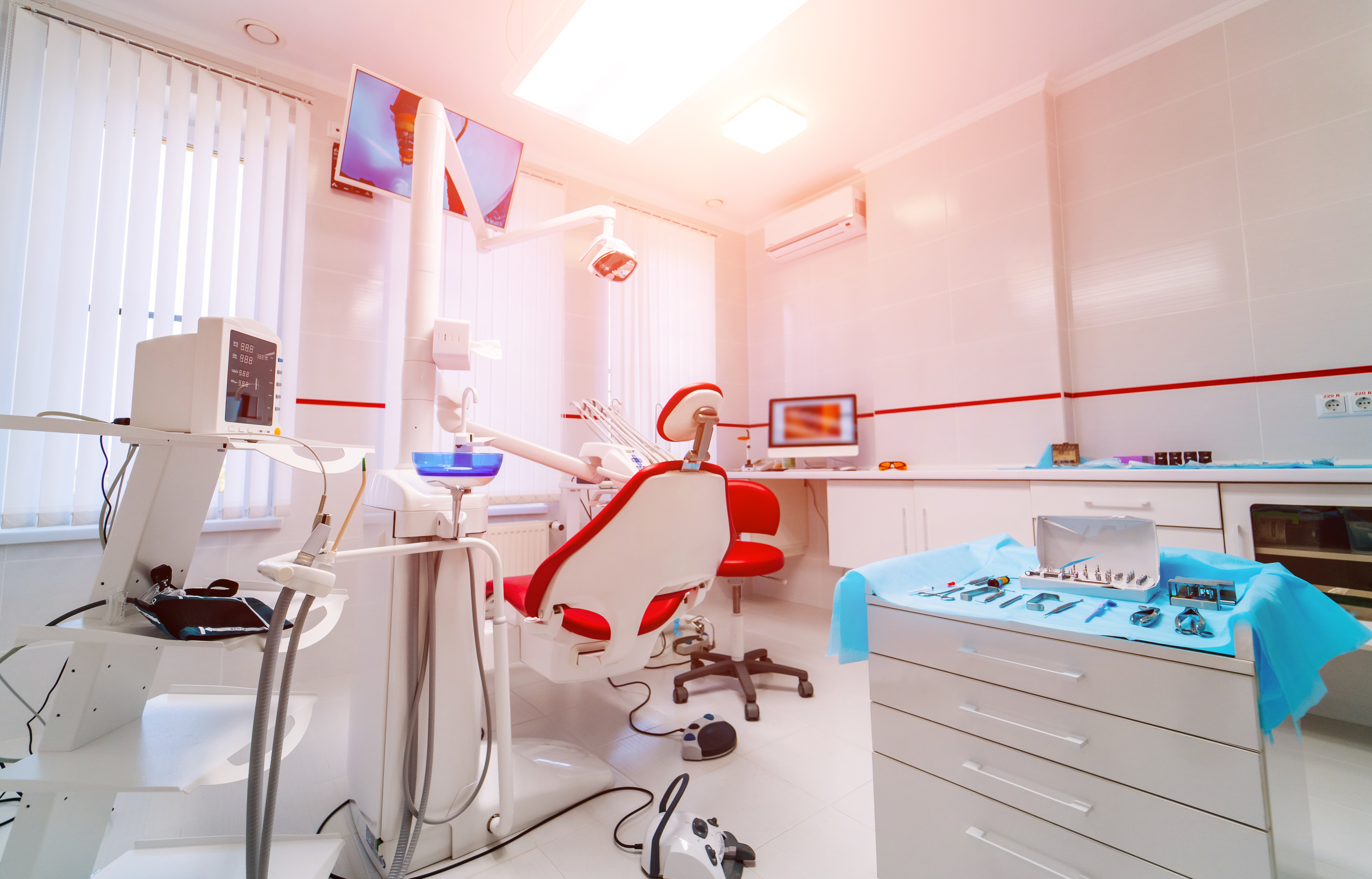
 Dental patient chairs are one of the most-used pieces of equipment in any operatory. They’re central to every clinical interaction, directly impact the patient experience, and influence the efficiency and ergonomics of your team. But like all equipment, even the most durable chairs have a lifespan. So how do you know when it’s time to replace your dental chairs rather than continue to repair or maintain them?,Here are some signs and considerations to help guide your decision., ,1. Comfort Is Compromised
Patient comfort should always be a priority. If you’re hearing more frequent complaints about the chair being too stiff, noisy, or uncomfortable, that’s a red flag. Worn padding, uneven cushioning, or malfunctioning headrests and armrests can all negatively impact patient satisfaction—especially during longer procedures. Even if the chair still functions, reduced comfort can hurt your practice’s reputation., ,2. Operational Issues Are Adding Up
Are you constantly calling for repairs? Does the chair’s movement lag, stick, or make strange sounds? These operational hiccups don’t just waste time—they can also pose safety concerns for both patients and staff. Over time, the cost of repeated service calls and downtime can exceed the value of investing in a new, reliable unit., ,3. Ergonomics No Longer Meet Your Needs
Outdated chairs often lack the adjustability and ergonomic features that modern dental teams require. If you or your hygienists are frequently straining, bending, or repositioning due to chair limitations, it may be time to upgrade. Newer models are designed with operator positioning in mind, supporting better posture and reducing the risk of musculoskeletal injuries., ,4. Incompatibility With Modern Equipment
Advances in digital dentistry and delivery systems may require integration with specific chair types. If your current chairs aren’t compatible with new delivery units, lighting, or imaging tools, you’re limiting the efficiency and technological growth of your practice. Upgrading can streamline procedures and provide a more cohesive workflow., ,5. Appearance Is Dated or Damaged
Worn upholstery, cracked bases, or stained surfaces create a poor impression, even if the chair technically still works. In today’s competitive environment, visual appeal matters. A modern, clean-looking operatory helps reassure patients and reflects your commitment to quality care. Investing in new chairs can instantly refresh the space and boost patient confidence., ,6. You’re Planning a Renovation or Expansion
If you’re remodeling your office or adding operatories, it’s an ideal time to reassess your current chairs. New chairs that align with your updated layout and design goals can enhance the functionality and esthetic of your space. Plus, outfitting multiple rooms with consistent models can simplify maintenance and training for your team., ,Dental chairs are long-term investments, but they’re not meant to last forever. If your current chairs are affecting patient comfort, staff ergonomics, or clinical efficiency, it may be time to explore replacement options. Upgrading your chairs isn’t just about esthetics—it’s about creating a safer, more effective, and more comfortable environment for everyone who walks through your doors.,


