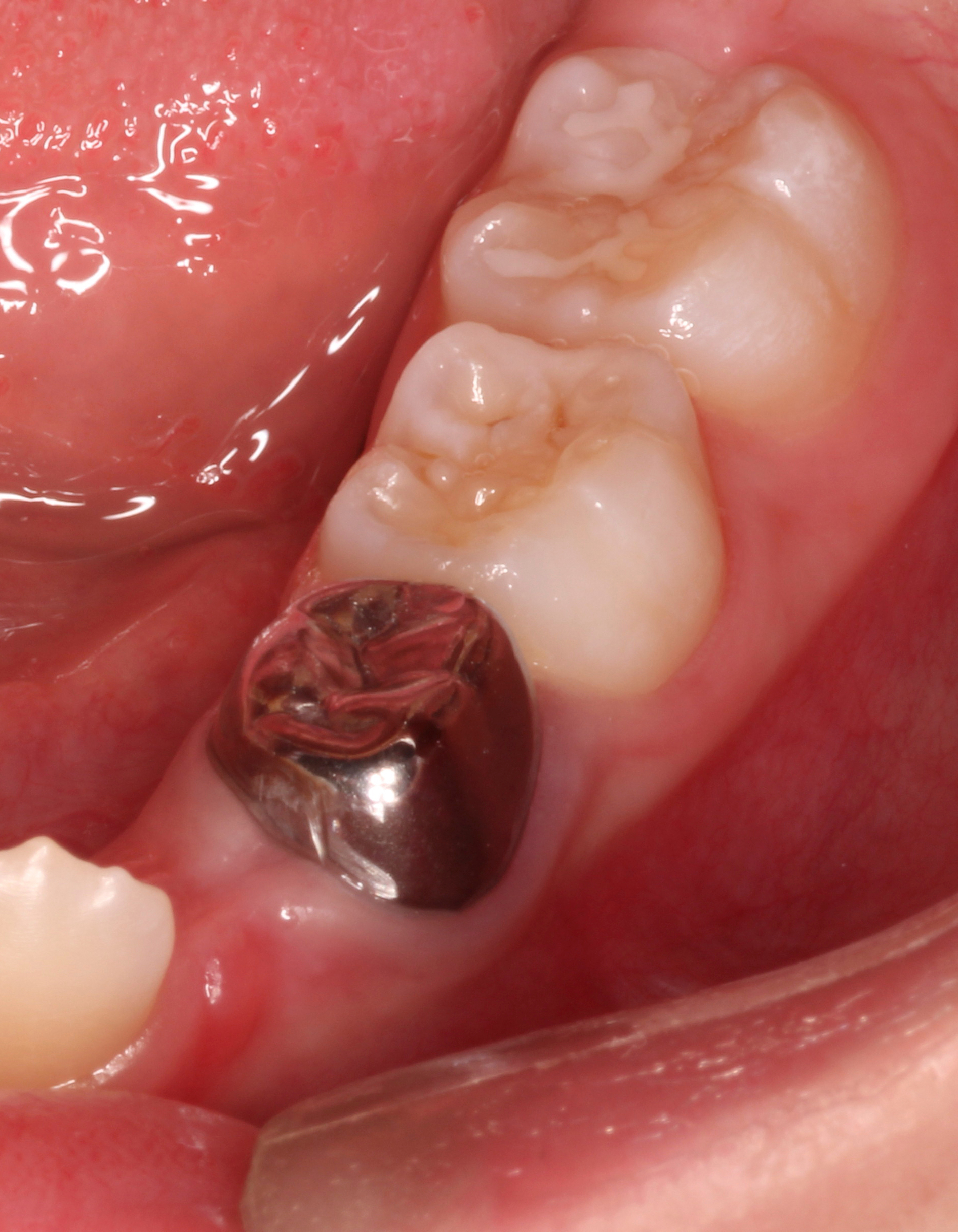
 In pediatric dentistry, deciding between a filling and a crown isn’t just about restoring form and function—it’s about balancing efficiency, longevity, patient cooperation, and parental expectations. Let’s break down the key clinical scenarios where placing a pediatric crown is not only appropriate but often the superior option., ,1. Extensive Decay or Multi-Surface Lesions
When caries extend across three or more surfaces, especially in primary molars, composite or amalgam restorations often fail to hold up under occlusal forces and daily wear. A crown provides full coverage and strength, reduces the chance of marginal breakdown, and protects remaining tooth structure from future decay., ,2. Following Pulp Therapy (Pulpotomy or Pulpectomy)
A pulp-treated tooth has already suffered extensive insult. Relying on a conventional restoration post-pulpotomy significantly increases the risk of failure and reinfection. The full coverage ensures hermetic seal and reduces microleakage, strengthens weakened cusps and walls, and enhances longevity of the pulp therapy., ,3. Patients with High Caries Risk or ECC
Children with early childhood caries (ECC) or a history of multiple restorations are often poor candidates for small direct fillings. Recurrence is common, and behavior management can be challenging. One-time treatment with a crown reduces the need for repeat interventions. Crowns provide better retention and durability, especially in poor oral hygiene cases. They also reduce chair time and follow-up restorative needs. Less time in the chair equals better compliance and better outcomes., ,When NOT to Place a Crown
Of course, not every lesion requires full coverage. A direct restoration may still be appropriate if the decay is small and confined to a single surface, the tooth is expected to exfoliate soon, or patient behavior and oral hygiene are excellent, ,When it comes to pediatric crowns, the decision is rarely black and white. The real benefit? Fewer re-treatments, stronger teeth, and happier (and often calmer) young patients.


