


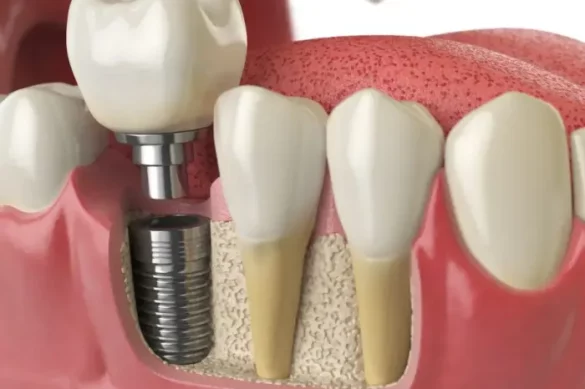
dental implants are a popular solution for missing teeth, but their cost can make them a significant investment for patients. For U.S. federal employees, retirees, and their families, choosing the right dental insurance plan is essential to managing expenses for procedures like implants. Understanding which federal dental plans cover implants plays a crucial role in dental care planning.
Overview of Federal Dental Insurance Plans
The main dental insurance program available to federal employees, retirees, and eligible dependents is the Federal Employees Dental and Vision Insurance Program (FEDVIP). Managed through the BENEFEDS portal, FEDVIP is designed to provide comprehensive dental coverage options nationwide as well as internationally.
FEDVIP works with various insurance carriers, including Delta Dental, which offer plans tailored for federal service members. The range of covered dental procedures and benefit limits varies across different plan types, so proper research and comparison are necessary before enrollment.
Basis for Dental implant coverage
While standard dental plans often include routine dental care such as exams, cleanings, and fillings, dental implants belong to a category of more extensive restorative procedures. Implants can replace single or multiple missing teeth, restoring both function and appearance. As they are more complex and costly, not all insurance plans automatically cover implant procedures.
Federal dental plans typically outline the scope of covered services and limitations in their detailed benefit guides or plan brochures. The guidelines may state whether implant procedures are covered, any waiting periods, exclusions, and the percentage of costs covered.
FEDVIP Plans and implant coverage
Under the FEDVIP umbrella, dental coverage is available through multiple carriers. Delta Dental is among the most widely elected options. Across FEDVIP plans, dental implant coverage can differ in terms of eligibility, annual maximums, and out-of-pocket costs.
Here are key factors concerning implant coverage under FEDVIP plans:
1. Carrier Variation
Each participating carrier in FEDVIP — such as Delta Dental, GEHA, United Concordia, and others — sets its own coverage levels and exclusions. Some premium-level plans may offer partial coverage for implants, while others might only pay for specific parts, such as the implant abutment or crown, excluding the surgical placement.
2. Plan Options
Carriers typically offer different plans, such as standard and high options. high-option plans tend to provide broader coverage, including restorative procedures. When researching implant coverage, beneficiaries should closely examine plan details to determine whether implants are included and at what percentage.
3. waiting periods and Limitations
Some plans impose waiting periods for major dental work, which can include implants. Additionally, there may be annual caps on benefits, especially for expensive procedures. If a plan offers implant coverage, it generally covers a set percentage of eligible costs after deductibles and co-pays.
4. Medical Necessity and exclusions
implant coverage may be subject to review for medical necessity. For example, plans may pay for implants only if other solutions, like bridges or dentures, are not viable for the patient. exclusions may also apply for cosmetic or elective procedures.
How to Check FEDVIP implant coverage
Federal employees and retirees wishing to determine their eligibility and coverage for dental implants under FEDVIP should follow these steps:
Step 1: Identify Your Dental Plan
Log in to the BENEFEDS portal and review which carrier and plan you are enrolled with. All benefit guides are available for download or viewing.
Step 2: Read plan brochures Thoroughly
Every FEDVIP carrier provides a comprehensive plan brochure. These documents list covered procedures, exclusions, deductibles, co-payment rates, and details about implants. The section on ‘major restorative services’ typically includes implant information.
Step 3: Assess the schedule of benefits
Check the schedule of benefits for specific codes and descriptions related to implant procedures. This will clarify what is covered, coverage percentages, and annual maximums.
Step 4: Contact Customer Service
If plan details seem unclear, beneficiaries should reach out to the carrier’s customer support or the BENEFEDS customer service hotline. Their staff can address eligibility and benefit questions, and advise on claims or required documentation for implant treatment.
Example: Delta Dental FEDVIP implant coverage
For many FEDVIP participants, Delta Dental is the chosen provider. Delta Dental FEDVIP plans may offer coverage for dental implants under major restorative services. Typically, their high option plans are more likely to include benefits for implant placement, abutment, and crown restoration. Nevertheless, the percentage of coverage can range, and not all costs may be reimbursed. There could also be annual or lifetime limits for implanted teeth restorations.
As coverage varies by plan year and region, beneficiaries relocating or retiring should review their coverage details or seek guidance from BENEFEDS regarding reinstatement or updates to their plan.
Limitations and exclusions Across FEDVIP Dental Plans
Not every FEDVIP dental plan covers implants, and many have shared restrictions. Common limitations include:
- Maximum benefit limits per year
- Specific benefit percentages covered after meeting out-of-pocket requirements
- Potential waiting periods
- Restrictions for cosmetic dental procedures
- Complex claim requirements for surgical procedures
Additionally, retirees and separating employees must confirm their continued eligibility for FEDVIP coverage, as some plans or coverage may end after separation from federal service unless certain conditions are met.
The Importance of Clarifying Your implant coverage
Before scheduling implant procedures, federal employees, retirees, and family members should take time to clarify coverage specifics. This ensures that they are prepared for any out-of-pocket costs and that claims are processed smoothly.
Researching, comparing plans, and confirming benefits with carriers like Delta Dental can protect beneficiaries from unexpected financial strain, help them make well-informed decisions about their oral health, and provide peace of mind.
Conclusion
Dental implant coverage under federal dental insurance plans, predominantly FEDVIP, varies significantly based on the carrier, plan type, and individual circumstances. While some plans, especially higher-tiered options, may help cover implant costs, others may exclude or limit this benefit. It is vital for federal employees, retirees, and their families to thoroughly review available FEDVIP plan documents, directly contact providers, and understand their eligibility before proceeding with implant procedures. Early research and planning can help minimize out-of-pocket expenses for these complex dental treatments.
FAQs
Do all FEDVIP dental plans cover implants?
No, dental implant coverage depends on the specific FEDVIP plan and carrier. Some high-option plans may cover implants, while standard plans often do not.
How much of my dental implant cost will FEDVIP cover?
Coverage varies by plan. Some FEDVIP plans pay a percentage of costs for implant placement, abutments, or crowns, subject to annual maximums and deductibles.
Is there a waiting period for dental implants under FEDVIP?
Some FEDVIP plans may have waiting periods for major services like implants, particularly for new enrollees.
What should I do before getting a dental implant procedure?
Review your specific FEDVIP plan brochure, contact your carrier’s customer service, and confirm coverage, waiting periods, and benefits before scheduling the implant procedure.
Can retirees continue dental coverage for implants under FEDVIP?
Retirees may maintain FEDVIP dental coverage if eligible and enrolled, but should confirm plan benefits for implants each year, especially if relocating or changing plans.