


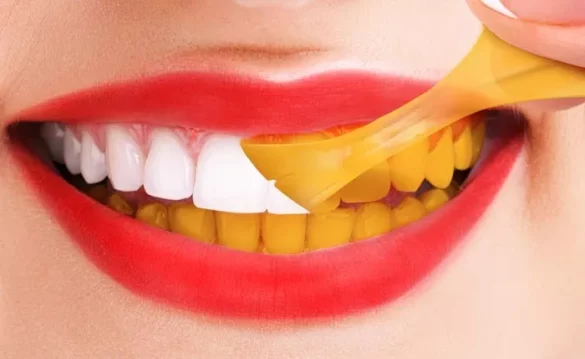
Many people notice that their back teeth appear more yellow than the front teeth. This is a common concern that can affect confidence and oral health awareness. Understanding why this happens requires examining the structure of teeth, daily habits, and potential dental conditions. Yellowing of the back teeth is usually a combination of natural anatomy, external factors, and lifestyle influences. This article explores the causes, contributing factors, and solutions for yellow back teeth.
Anatomy of Teeth and Its Role in Color
Enamel Thickness
The enamel is the outermost layer of the tooth and is semi-translucent. The thickness of enamel varies across different teeth. Front teeth typically have thinner enamel, which allows them to appear whiter when light reflects off them. Back teeth, such as molars and premolars, have thicker enamel, but the underlying dentin is more visible through the enamel, giving a naturally yellow or darker hue.
Dentin Composition
Dentin lies beneath the enamel and has a naturally yellow tone. Since back teeth bear the brunt of chewing pressure, their enamel can wear down over time, revealing more of the dentin. This process makes the back teeth appear darker or more yellow compared to the front teeth.
Common Causes of Yellow Back Teeth
1. Food and Drink Stains
Consumption of staining foods and beverages can affect the back teeth. Coffee, tea, red wine, and dark sauces leave pigments that accumulate on the chewing surfaces. Back teeth have more grooves and fissures, making them more prone to stain retention than the smoother front teeth.
2. Poor Oral Hygiene
Back teeth are harder to reach with a toothbrush and floss. Plaque and tartar build-up in these areas can cause yellowing.
Failing to clean these surfaces regularly increases the risk of discoloration and dental issues. Regular brushing, flossing, and professional cleanings are essential to minimize yellowing.
3. Natural Aging
As people age, enamel naturally thins, and dentin becomes more prominent. This change affects all teeth but is particularly noticeable in back teeth due to their function in chewing and increased enamel wear. Aging contributes to the gradual yellowing of molars and premolars.
4. Smoking and Tobacco Use
Tobacco contains tar and nicotine, which are potent staining agents. Smoking can cause noticeable yellowing, especially on back teeth where residue may accumulate. Avoiding tobacco is crucial for both cosmetic and oral health benefits.
5. Medications and Health Conditions
Certain medications can affect tooth color. Antibiotics like tetracycline, when taken during tooth development, can cause intrinsic stains. Other medications, including antihistamines and some blood pressure drugs, may lead to discoloration over time. Health conditions affecting enamel or saliva production can also contribute to yellowing.
6. Fluorosis and Overexposure to Fluoride
Excessive fluoride exposure during tooth development can cause dental fluorosis, which manifests as yellow or brown discoloration. This condition often affects back teeth due to delayed mineralization in molars and premolars.
7. Enamel Wear and Erosion
Back teeth experience the most pressure from chewing, grinding, and clenching. This wear can thin enamel and expose more dentin, naturally giving teeth a yellow appearance. Acidic foods and drinks accelerate enamel erosion, intensifying the color change.
Structural Factors Contributing to Yellow Back Teeth
Molars and Premolars Have Grooves and Fissures
The chewing surfaces of back teeth contain pits, grooves, and fissures. These structural features trap food and plaque, which can stain over time. These natural depressions are harder to clean, making back teeth more susceptible to discoloration compared to smoother front teeth.
Thickness and Density Differences
Back teeth have denser enamel and larger dentin volumes. While thicker enamel can protect against decay, it also allows the yellowish dentin to influence overall tooth color more. This density difference explains why yellowing is more noticeable on molars.
Lifestyle Habits That Accelerate Yellowing
Dietary Choices
Regular consumption of pigmented foods, like soy sauce, curry, berries, and tomato-based sauces, can stain back teeth more rapidly. These foods tend to stick to the grooves of molars and premolars, increasing the risk of discoloration.
Oral Hygiene Routine
Inadequate brushing techniques, skipping flossing, or using worn-out toothbrushes often leave back teeth insufficiently cleaned. A focused oral hygiene routine, including brushing twice daily, flossing, and using an interdental brush, is essential to prevent yellowing.
Bruxism and Tooth Grinding
Grinding or clenching teeth wears down enamel on the back teeth. Over time, enamel loss exposes dentin, which is naturally yellow. Managing bruxism with night guards or other interventions can help slow discoloration and protect tooth structure.
Alcohol and Soft Drink Consumption
Frequent use of acidic beverages such as soda and wine contributes to enamel erosion. Acidic drinks soften enamel, making it easier for pigments to penetrate and discolor teeth. Limiting consumption and rinsing after intake can reduce yellowing.
Dental Health Conditions Affecting Back Teeth Color
Cavities and Decay
Back teeth are more prone to cavities because of their chewing role and complex surfaces. Early decay can appear yellow, brown, or dark, contributing to the overall discoloration. Timely dental intervention prevents further damage and color changes.
Tartar and Calculus Build-Up
Mineralized plaque, known as tartar or calculus, forms more easily on back teeth. This hard substance traps stains and is difficult to remove with brushing alone. Professional dental cleaning is required to eliminate tartar and restore a lighter tooth color.
Enamel Hypoplasia
This developmental condition leads to underdeveloped enamel, making teeth more susceptible to yellowing. Back teeth affected by hypoplasia often appear darker due to thinner enamel exposing dentin. Early detection can guide preventive and cosmetic measures.
Prevention and Maintenance of Back Tooth Color
Consistent Brushing and Flossing
Brush at least twice daily with fluoride toothpaste. Pay extra attention to molars and premolars, using circular motions to reach grooves. Flossing removes plaque between teeth, preventing stains from settling in tight spaces.
Professional Cleanings
Dental cleanings every six months remove tartar and surface stains that home care cannot address. Scaling and polishing back teeth restore natural brightness and maintain oral health.
Use of Whitening Products
Over-the-counter whitening toothpaste or strips can help reduce surface stains. However, back teeth often respond more slowly due to enamel thickness and grooves. Professional whitening or custom trays can provide more uniform results.
Dietary Modifications
Limiting pigmented and acidic foods helps prevent new stains. Drinking water after meals and using a straw for beverages can reduce direct contact with back teeth. Incorporating crunchy fruits and vegetables like apples and carrots can naturally help clean teeth.
Quit Smoking and Limit Tobacco Use
Eliminating tobacco products prevents further yellowing and improves overall oral health. Even occasional smoking can contribute to persistent back tooth discoloration.
Night Guards for Bruxism
Wearing a night guard reduces enamel wear caused by grinding. Protecting enamel helps maintain the natural color of back teeth and prevents dentin exposure.
When to See a Dentist
Persistent Yellowing
If back teeth remain yellow despite proper hygiene and lifestyle adjustments, a dentist can evaluate for intrinsic stains, enamel issues, or other underlying conditions. Professional assessment is crucial for effective treatment.
Signs of Decay or Damage
Discoloration accompanied by pain, sensitivity, or cavities requires immediate attention. Ignoring these signs can lead to further damage and more complex dental treatments.
Professional Whitening Options
Dentists offer stronger whitening agents and tailored treatments for stubborn stains. In-office whitening or custom tray systems can achieve uniform results for back teeth that are resistant to over-the-counter products.
Conclusion
Yellow back teeth are a common issue caused by natural anatomy, enamel thickness, dentin exposure, lifestyle habits, and oral health conditions. Understanding these factors helps in choosing the right preventive and corrective measures. Regular oral hygiene, professional cleanings, dietary control, and, if necessary, professional whitening treatments can improve the appearance of back teeth and maintain a healthy, confident smile. Consulting a dentist ensures that discoloration is addressed safely and effectively, targeting both cosmetic and underlying dental health concerns.