

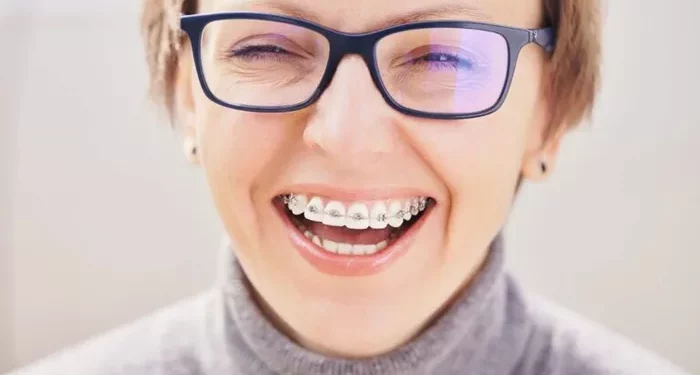
Many adults believe orthodontic treatment is only effective during the teenage years and that turning 30 closes the door on correcting crooked teeth or bite problems. Dental experts say that belief is a myth.
Dr. Baiju Hariharan, a registered dental surgeon and member of the Indian Dental Association with 27 years of clinical experience in Haripad, Kerala, says age alone is never a barrier to orthodontic care.
“People often worry they’ve missed the right age for braces once they cross 30 or 35,” Dr. Hariharan said. “That is absolute misinformation. Age has nothing to do with orthodontic eligibility.”
According to Dr. Hariharan, the key requirement for orthodontic treatment is healthy teeth and gums. “As long as oral health is good, braces or other orthodontic options can be used at any age to improve alignment and confidence,” he said.
Data from the American Association of Orthodontists (AAO) supports this view. The AAO reports that one in three orthodontic patients today is an adult. The organisation notes that teeth move through bone in response to steady force, and this biological process works the same whether a patient is young or old.
The main difference between adults and children, the AAO explains, is that adults are no longer growing. While this may mean treatment can take slightly longer due to denser, more mature bone, it does not reduce the likelihood of success.
Orthodontic care today also extends beyond traditional braces. Dr. Hariharan pointed out that adults now have access to multiple treatment options, including clear aligners and gap-closing techniques. “The dentist will recommend the most suitable approach based on the patient’s dental condition and concerns,” he said.
Experts also advise adults to watch for signs that orthodontic treatment may be needed. These include crowded or crooked teeth, impacted teeth, bite issues such as overbite or underbite, and habits like thumb sucking.
Dental professionals agree on one message: when it comes to orthodontics, age is just a number, and it is never too late to improve dental health and alignment.
