

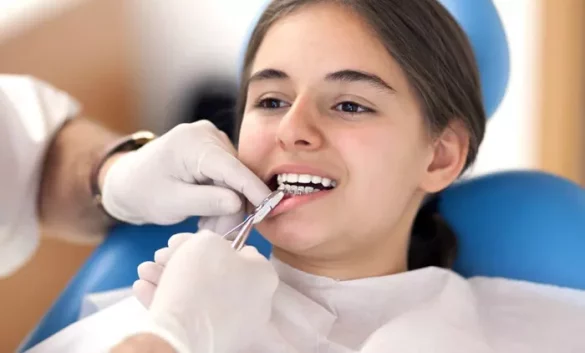
Braces are orthodontic appliances used to correct dental misalignments. These include crowded teeth, gaps, and bite issues such as overbite and underbite. Orthodontists design treatment plans that typically last between 18 months to 3 years, depending on the severity of the dental problem.
The aim is not just cosmetic; aligned teeth help reduce the risk of gum disease, tooth decay, and sensitive teeth. Removing braces early can affect the outcome of treatment and long-term oral health.
Is Early Braces Removal Possible?
Yes, orthodontists can remove braces early. However, this decision is not taken lightly and usually requires valid clinical reasons. Some of the most common circumstances include:
- Severe discomfort or allergic reactions
- Non-compliance with the treatment plan
- Patient relocation or financial constraints
- Serious dental health complications
Medical or Dental Issues Requiring Early Removal
In rare instances, patients develop complications such as gum overgrowth, root resorption, or recurring oral infections. These conditions may prompt the orthodontist to stop treatment for the patient’s safety. Braces can sometimes exacerbate sensitive teeth or trigger gum irritation, leading to further concerns like gum disease.
Consequences of Early Braces Removal
Removing braces prematurely can result in incomplete treatment. Teeth may not have moved into their optimal positions, or they might relapse into previous positions. This compromises both aesthetics and function.
Some potential issues include:
- Unstable bite alignment
- Persistent crowding or spacing
- Higher risk of tooth wear or injury
- Increased susceptibility to gum disease and dental caries
Long-Term Oral Health Concerns
Improperly aligned teeth can make daily cleaning more difficult. This can increase plaque buildup, leading to gum disease or sensitive teeth. Patients may require further orthodontic treatment in the future if braces are removed too early without achieving desired results.
Patient-Requested Early Removal: What to Know
Some patients request early removal due to life events such as weddings, relocations, or career needs. While orthodontists may accommodate these requests in special cases, it often comes with the recommendation to switch to a different treatment method such as clear aligners or retainers.
Temporary Removal for Special Events
In exceptional cases, braces may be removed temporarily for high-importance events and reinstalled later. However, this approach involves risks and added costs, and it’s not routinely practiced.
Orthodontist Evaluation and Monitoring
Orthodontists monitor patients closely through regular check-ups. These evaluations assess tooth movement, jaw alignment, and oral hygiene. If progress is not meeting expectations, the orthodontist may adjust the treatment plan instead of opting for early removal.
When Orthodontic Treatment Is Considered Complete
Orthodontists use several indicators to determine treatment completion:
- Proper alignment of teeth and jaw
- Healthy gums without signs of gum disease
- Functional bite with no discomfort
- Stable results confirmed through X-rays and visual examination
Risks of Self-Requested or Unauthorized Removal
Attempting to remove braces without professional supervision is dangerous. It can result in significant tooth damage, trauma to soft tissues, and permanent misalignment. Always consult an orthodontist before taking any steps toward early removal.
The Role of Oral Hygiene in Treatment Duration
Good oral hygiene helps ensure smooth orthodontic progress. Patients who do not clean properly may experience decalcification, gum disease, and increased treatment time. Maintaining clean braces and healthy gums is essential for a timely and successful outcome.
Alternatives to Braces for Short-Term Solutions
If a patient is unable to commit to long-term orthodontic treatment, they may consider less invasive options. These include:
- Clear aligners like Invisalign
- Retainers for minor adjustments
- Cosmetic procedures like veneers or bonding
However, these options may not address severe misalignment or bite issues.
Retention Phase After Early Removal
In cases where early removal is approved, a retainer is often prescribed. The retainer helps maintain tooth positions and reduces the risk of relapse. It is crucial to wear the retainer as instructed, even if the braces were removed ahead of schedule.
Types of Retainers Used
Orthodontists may recommend different retainers based on the case:
- Hawley retainer: removable with metal wires
- Clear retainer: transparent and less noticeable
- Fixed retainer: bonded behind the teeth for long-term use
Cost and Insurance Considerations
Early removal might impact insurance coverage or treatment guarantees. Most orthodontic payment plans are structured around the full treatment duration. Interrupting this process may result in additional fees or loss of benefits.
Communicating With Your Orthodontist
If you’re considering early removal, speak candidly with your orthodontist. Ask about the consequences, alternative solutions, and long-term impact on your dental health. A collaborative approach ensures your treatment goals are realistic and safe.
Conclusion
While early removal of braces is technically possible, it carries significant risks to your oral health and the success of your orthodontic treatment. Always consult with your orthodontist and follow their expert guidance. Whether you’re dealing with sensitive teeth, gum disease, or other dental concerns, professional monitoring is essential for a healthy and lasting result.
