

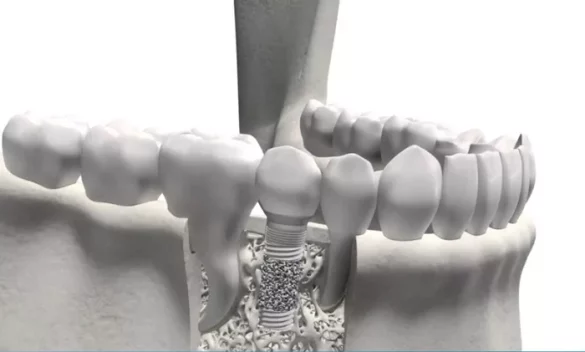
Zimmer Dental Implants are a trusted and widely respected brand in the field of implant dentistry. Made by Zimmer Biomet, a company with over 90 years of experience in medical technology, these implants are known for their quality, durability, and innovative design. They restore missing teeth by acting as stable prosthetic roots integrated with the jawbone, offering patients a natural look and feel.
Why Choose Zimmer Dental Implants?
Zimmer implants stand out because of their versatility and precision. They come in various shapes and sizes to meet different patient needs, including those with sensitive teeth or gum disease. These implants improve stability and reduce chair time, which means fewer visits and less discomfort for patients. Additionally, the implants and their titanium abutments are designed to fit perfectly, providing a strong foundation for crowns or bridges.
The technology behind Zimmer implants supports both single and multiple-stage procedures, making them flexible and easier for dentists to place. Patients often experience shorter recovery times and better overall outcomes with these implants.
Types of Zimmer Dental Implants and Their Applications
Zimmer Biomet offers a range of dental implants tailored to diverse clinical scenarios:
Zimmer Tapered Screw-Vent (TSV) Implants: These are designed for excellent primary stability in various bone densities. They are suitable for single tooth replacements and multiple teeth restorations.
Trabecular Metal (TM) Implants: Featuring a unique porous surface that encourages bone growth, TM implants are ideal for patients with compromised bone quality or those needing enhanced osseointegration.
Standard and Wide Diameter Implants: Used to match different jawbone sizes and locations, ensuring optimal support even in anatomically challenging areas.
These types cover most treatment needs from front teeth replacements to full-arch restorations, including patients with gum disease who require implants that support healthy gum tissue integration.
How Much Do Zimmer Dental Implants Cost?
The cost of Zimmer dental implants varies depending on the type of implant, the number of implants needed, and complexity of the procedure. On average, a single Zimmer implant—including surgery, abutment, and crown—may cost between $1,500 and $3,000. Additional procedures like bone grafting, which might be necessary in cases of gum disease or bone loss, can increase the overall expense. However, Zimmer implants are considered a long-term investment due to their durability and high success rates which may reduce replacement or repair costs later.
Material of Zimmer Dental Implants
Zimmer implants are primarily made of medical-grade titanium, known for its strength and biocompatibility. This material resists corrosion and integrates naturally with the jawbone (osseointegration), creating a stable and lasting bond. Some prosthetic components also use ceramic materials, which provide aesthetic benefits by mimicking the look of natural enamel and resisting stains. The use of these biocompatible materials helps to minimize risks of allergic reactions and promotes healthy gum tissue around sensitive teeth areas.
Who is a Candidate for Zimmer Dental Implants?
Ideal candidates for Zimmer dental implants include people who have lost one or more teeth due to decay, trauma, or gum disease but still have sufficient bone to support the implant. Patients with controlled gum disease and good overall oral hygiene can qualify, as the implants support healthy gums over time. Those with sensitive teeth or bone loss may also be treated successfully by choosing the appropriate implant system, such as the Trabecular Metal design which promotes bone regeneration. However, candidates must have good general health and no conditions that severely impair healing.
Clinical Benefits of Zimmer Dental Implants
Zimmer implants offer several important clinical advantages:
Improved Comfort and Function: Unlike dentures, these implants are stable and do not slip, allowing patients to eat and speak confidently.
Enhanced Aesthetics: Ceramic abutments and precise implant shapes ensure a natural-looking smile.
Bone Preservation: By stimulating the jawbone, implants prevent bone loss common with missing teeth and gum disease.
Reduced Treatment Time: Advanced design allows faster recovery and fewer dental visits.
Durability: Made from robust titanium and ceramic, these implants can last decades with proper care.
These benefits support patients, including those recovering from gum disease or managing sensitive teeth, by maintaining oral health and improving quality of life.
FAQs
How long do Zimmer implants last?
With good oral hygiene, Zimmer dental implants can last 15 years or more, often a lifetime.
Are Zimmer implants suitable for patients with gum disease?
Yes, especially if the gum disease is controlled before the implant procedure.
Can sensitive teeth patients get Zimmer implants?
Yes, Zimmer offers implants that support healthy gum tissue and reduce sensitivity risks.
Conclusion
Zimmer Dental Implants are a reliable, innovative, and versatile solution for patients seeking to restore missing teeth. Their high-quality titanium and ceramic materials, combined with advanced design features, provide excellent stability, aesthetics, and long-term clinical success. Patients with a variety of dental conditions, including gum disease and sensitive teeth, can benefit from Zimmer implants due to their adaptability and biocompatibility. Choosing Zimmer is investing in durable dental health and a confident smile.
