


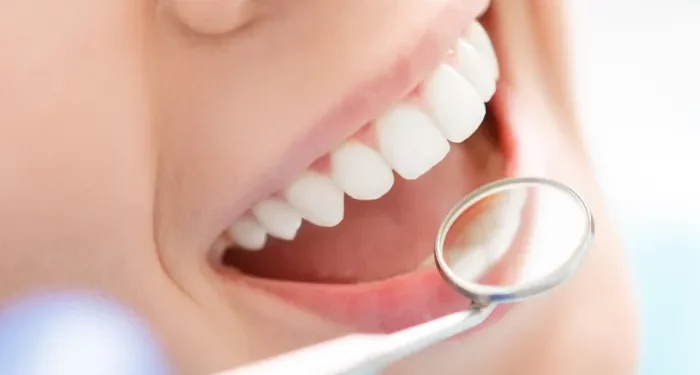
The Indian Health Service (IHS) has revealed plans to stop using mercury-containing dental fillings, known as dental amalgam, in all its facilities by 2027. This initiative will see the agency and its tribal dental programs switch to mercury-free materials for restoring teeth, aiming to enhance patient safety and environmental protection.
Dental amalgam, which blends mercury with other metals, has been used for decades in dentistry because it is strong, durable, and cost-effective. These properties made it particularly popular for repairing large tooth surfaces, such as those found in molars and premolars. However, concerns have been increasing about health risks and environmental pollution caused by mercury, which is known to accumulate in the body and the environment.
The decision to end the use of dental amalgam reflects growing recognition of these risks. The IHS noted that it has already taken steps to reduce amalgam use since 2007, especially for vulnerable groups. These include pregnant women, young children under six, and people with certain health conditions who are more sensitive to mercury exposure. The IHS plans to update its policies to phase out the use of mercury fillings entirely and to train its staff to use modern, composite options instead.
Government leaders welcomed the move, emphasizing its importance for patient safety and community health. They pointed out that the transition is part of a broader effort to improve healthcare quality while honoring responsibilities to tribal communities and protecting the environment for future generations. The IHS leadership also highlighted the need to consider financial and operational aspects as they begin using new dental materials.
The phase-out is in line with recommendations from the U.S. Food and Drug Administration, which encourages the use of mercury-free alternatives—especially for those at higher risk from mercury exposure. By making these policy changes, the IHS aims to reduce both health risks and environmental harm, while continuing to provide accessible, high-quality dental care. Prevention programs will also be expanded to lessen the overall need for dental repairs.
Tags: dental careteethtooth Read More