


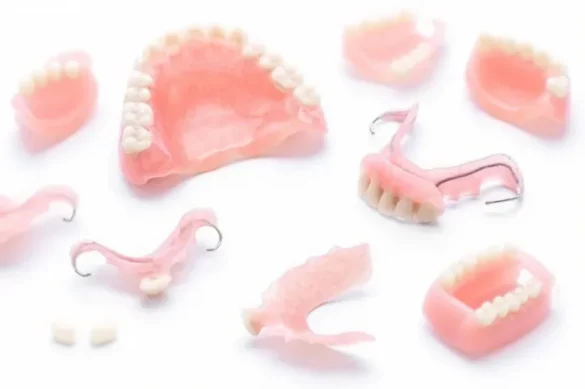
Partial dentures play a vital role in restoring both function and appearance for people who have lost some of their natural teeth. Choosing the best type of partial denture can be confusing because several options are available, each suited to different oral health needs and lifestyles. Knowing the differences helps ensure treatment not only improves your smile but also promotes better chewing and speaking.
What Are Partial Dentures?
Partial dentures are custom-made dental appliances designed to replace one or more missing teeth in the upper or lower jaw. They fill the gaps left by missing teeth and are supported by the remaining natural teeth and oral tissues. Partial dentures can be removable or fixed, depending on the patient’s needs, oral health, and preferences.
1. Cast Metal Partial Dentures
Cast metal partial dentures are one of the most widely used types. They feature a strong metal framework, usually made of cobalt-chromium alloy, with acrylic gums and artificial teeth attached. The metal clasps anchor the denture securely to your remaining natural teeth.
Key Benefits of Cast Metal Partial Dentures
- Durable and long-lasting construction
- Good stability and fit
- Thinner and more comfortable than all-acrylic options
Ideal For
Patients looking for a reliable, comfortable, and long-lasting solution. These dentures are often recommended when many teeth need replacement and a strong foundation is necessary.
2. Acrylic Partial Dentures (Flipper)
Acrylic partial dentures, sometimes called “flippers,” are made entirely from acrylic resin. They act as a basic and cost-effective solution, especially as an interim denture during dental treatments such as implants.
Key Benefits of Acrylic Partial Dentures
- Lower cost compared to metal types
- Quick fabrication, suitable for short-term or temporary use
- Repair and adjustments are easy
Ideal For
Patients needing a temporary replacement or those who want an affordable initial option while considering a permanent solution. These are bulkier and less stable compared to cast metal dentures.
3. Flexible Partial Dentures
Flexible partial dentures are made from lightweight, gum-colored nylon or similar materials. Instead of metal clasps, they use flexible arms that blend with natural gum tissues for a seamless appearance.
Key Benefits of Flexible Partial Dentures
- No visible metal parts, offering superior aesthetics
- Lightweight and comfortable
- Less likely to cause sore spots
Ideal For
Individuals seeking a more natural-looking and comfortable denture, especially those sensitive to metal or with irregular oral anatomy. Flexibles can serve as an alternative when cast metal is not an option.
4. Precision Attachment Partial Dentures
Precision attachment partial dentures use mechanical attachments rather than clasps. These precision connectors offer a higher level of stability and are often used when there are crowns or bridges on the supporting teeth.
Key Benefits of Precision Attachment Partial Dentures
- Excellent fit with minimal visibility
- Superior comfort
- Enhanced stability compared to traditional clasp dentures
Ideal For
Patients looking for the best aesthetics and retention. However, they usually require some modification to natural teeth and may cost more due to their advanced design.
5. Removable Partial Dentures
Removable partial dentures include any partial that can be easily taken out for cleaning. This category can cover cast metal, acrylic, and flexible options. The key advantage is practicality and ease of maintenance.
Key Benefits of Removable Partial Dentures
- Easy to clean and maintain
- Cost-effective for the majority of patients
- Can serve as a temporary or permanent solution
Ideal For
Patients prioritizing oral hygiene and those needing flexibility in their dental appliance. Removable options are beneficial when ongoing gum or bone changes are expected.
6. Fixed Partial Dentures (Dental Bridges)
Fixed partial dentures, commonly called dental bridges, are permanently secured in the mouth and do not require removal. They may use crowns on adjacent teeth or be supported by dental implants.
Key Benefits of Fixed Partial Dentures
- Permanent, stable, and very natural in look and function
- Restores chewing and speaking close to natural teeth
- No worry of slipping or moving
Ideal For
Patients who want a secure, long-term solution that feels and works like natural teeth. However, fixed partials generally require good oral health and can be more expensive than removable alternatives.
How to Choose the Best Type of Partial Denture
Selecting the right partial denture depends on various factors. These include the location and number of missing teeth, oral health status, bone and gum condition, comfort preference, budget, and aesthetic goals. A thorough dental examination and discussion with your prosthodontist help determine the ideal solution for your unique needs.
Caring for Your Partial Denture
Proper care ensures your partial denture lasts as long as possible and keeps your mouth healthy. Clean your dentures daily with a specialized brush and cleaner. Remove and rinse them after eating. Maintain good oral hygiene to prevent problems like denture stomatitis, and see your dentist regularly for check-ups.
Conclusion
Partial dentures come in many forms, each with unique advantages and considerations. Understanding the top six types—cast metal, acrylic, flexible, precision attachment, removable, and fixed—empowers patients to make informed decisions with their dental team. The right partial denture provides comfort, restores function, and boosts your confidence. Discuss your options thoroughly with a dental professional to choose the best type for your lifestyle and oral health goals.
Frequently Asked Questions
What is the most comfortable type of partial denture?
Flexible partial dentures are often considered the most comfortable due to their lightweight materials and lack of metal parts.
Are fixed partial dentures better than removable ones?
Fixed partial dentures offer more stability and a natural feel but may not be suitable for all patients and are typically more expensive.
How long do partial dentures last?
The life span depends on the type, materials, and care given. Cast metal and fixed dentures can last many years with proper maintenance.
Can I sleep with my partial denture?
It is usually recommended to remove partial dentures before sleeping to let your gums rest and to reduce the risk of oral health problems.
How often should I clean my partial dentures?
Clean your partial dentures at least once daily, and remove them after meals to rinse away food debris.