


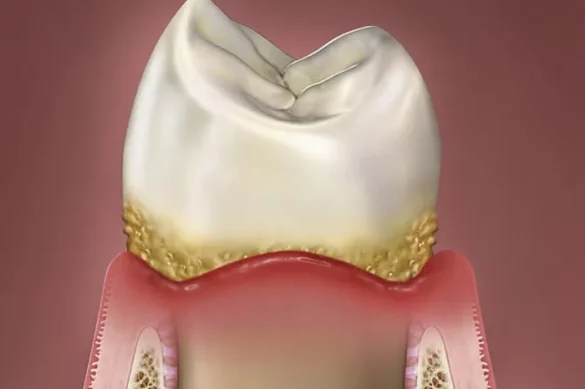
Bad breath, also known as halitosis, is a common problem for people with periodontal disease. Periodontal disease, which affects the gums and the bone that holds your teeth in place, can lead to unpleasant odors due to bacteria growth. In this article, we will explore the six best ways to stop bad breath associated with periodontal disease in 2026.
6 Best Ways to Stop Bad Breath with Periodontal Disease in 2026
1. Maintain Excellent Oral Hygiene
Good oral hygiene is essential in managing bad breath, especially if you have periodontal disease. When plaque and bacteria accumulate on your teeth and gums, they can produce foul odors. Brushing your teeth properly at least twice a day helps remove these harmful substances and keeps your breath fresh.
Use a soft-bristled toothbrush to avoid irritating your gums. Make sure to brush your tongue as well, as bacteria can accumulate there too. A fluoride toothpaste can help in strengthening your enamel and preventing further gum problems.
Additionally, flossing once a day removes plaque and food particles from between your teeth and along the gumline, which are often the culprits behind bad breath. Consider using an antimicrobial mouthwash to reduce bacteria and freshen your breath.
2. Regular Dental Checkups and Cleanings
Visiting your dentist regularly for checkups and professional cleanings is crucial when managing periodontal disease. Even with good oral hygiene, there may be areas in your mouth that are difficult to clean effectively on your own, particularly if you have pockets between your gums and teeth.
During professional cleanings, your dentist or dental hygienist will remove tartar (hardened plaque) from your teeth and gums. Tartar can only be removed with professional tools, and it can cause your gums to become inflamed, which may lead to bad breath.
Moreover, your dentist can assess the severity of your periodontal disease and recommend treatments such as scaling and root planing, which can help to remove deep-seated plaque and reduce bacterial buildup.
3. Quit Smoking and Tobacco Use
Smoking and using tobacco products not only exacerbate periodontal disease but also contribute significantly to bad breath. Tobacco can dry out your mouth, leading to a reduction in saliva production. Saliva helps wash away food particles and bacteria, and without it, bacteria thrive, leading to foul odors.
Smoking also damages the gums and impairs the healing process of periodontal tissues. If you are serious about managing your bad breath and improving your oral health, quitting smoking is one of the best steps you can take.
By quitting tobacco use, you will improve your breath, the health of your gums, and your overall well-being. If you need assistance with quitting, consider seeking help from a healthcare professional or a smoking cessation program.
4. Use a Tongue Scraper
Many people overlook the tongue as a source of bad breath, but bacteria can accumulate on its surface, especially in the back. A tongue scraper is a simple yet effective tool for removing bacteria and debris from the tongue.
Using a tongue scraper daily after brushing can help reduce the amount of bacteria in your mouth, contributing to fresher breath. Be gentle when using the scraper to avoid injuring your tongue or the surrounding tissues. Alternatively, your toothbrush’s back may also have a tongue-cleaning feature that can be used effectively.
Incorporating tongue scraping into your daily routine can greatly reduce the bacteria responsible for bad breath, especially when combined with proper brushing and flossing.
5. Stay Hydrated
Dry mouth, or xerostomia, is a common condition in individuals with periodontal disease and can lead to bad breath. When your mouth lacks sufficient saliva, bacteria thrive, which can cause unpleasant odors.
To keep your mouth hydrated, drink plenty of water throughout the day. Water helps flush out bacteria and food particles from your mouth, preventing the build-up of harmful substances that contribute to bad breath.
Avoid drinks that can dehydrate you, such as alcohol and caffeinated beverages, as these can make dry mouth worse. If you’re unable to drink water consistently, chewing sugar-free gum can stimulate saliva production and keep your mouth moist.
6. Follow a Healthy Diet
Your diet plays a significant role in your overall oral health. A balanced diet rich in fruits and vegetables can help fight bad breath by providing your body with essential vitamins and minerals that support gum health and overall well-being.
In particular, crunchy fruits and vegetables, like apples and carrots, can help clean your teeth naturally as you chew. They also stimulate saliva production, which helps neutralize bad odors. Avoid sugary foods and drinks, as they can contribute to the growth of harmful bacteria in your mouth.
Additionally, foods rich in antioxidants, such as green tea, can help reduce inflammation in your gums and improve the healing process in cases of periodontal disease. A diet high in fiber is also beneficial, as it helps promote healthy digestion and overall body function.
Conclusion
Managing bad breath caused by periodontal disease requires a combination of good oral hygiene practices, lifestyle changes, and professional dental care. By maintaining a thorough oral hygiene routine, visiting your dentist regularly, quitting smoking, and adopting healthy habits, you can effectively control bad breath and improve the health of your gums.
If you have periodontal disease and struggle with persistent bad breath, consider implementing the strategies outlined in this article. Consult with your dentist for personalized recommendations tailored to your specific needs.