


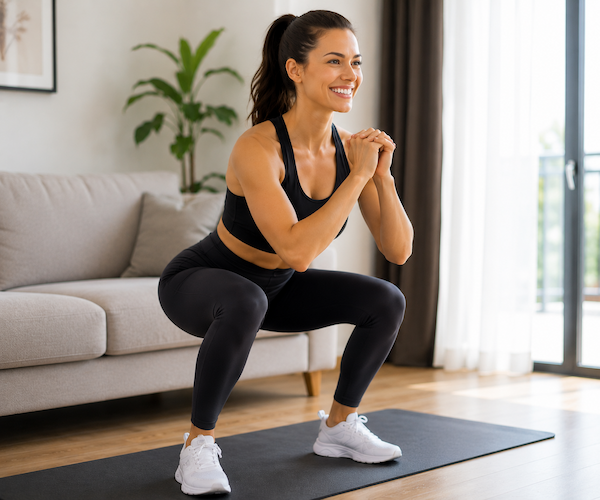
Understanding Exercise After Dental Implants
Many fitness enthusiasts worry about their routine after oral surgery. You might wonder if you can continue your training immediately. Actually, exercise after dental implants requires careful planning to ensure long-term success. Think of your implant as a high-end “renovation” project inside your jawbone. The core goal is osseointegration, where the implant fuses with the bone. During this phase, intense physical activity can disrupt your body’s vital repair priorities. By following professional guidelines, you can protect your investment and maintain your health safely.
How Blood Pressure Affects Your Recovery
After your surgery, blood clots form around the implant site. These clots act as a foundation for bone healing. They release essential factors that promote successful fusion. However, intense exercise causes blood pressure to spike rapidly. This spike can wash away the protective clot, much like a flood damaging a foundation. Furthermore, this clot acts as a barrier against bacteria. If the pressure breaks this barrier, you risk prolonged bleeding or painful swelling. Therefore, you must keep your heart rate stable during the initial recovery period.
The Immune System and Infection Risks
Your immune system plays a key role in healing. After heavy training, your body enters a temporary state of immune suppression. Simultaneously, your body works hard to repair muscle fibers torn during exercise. This creates a competition for resources. As a result, your risk of infection increases significantly. If you participate in water sports, you expose the wound to harmful bacteria. These pathogens can enter the surgical site directly. Remember, post-operative infection is a primary reason for early implant failure.
Managing Localized Pressure and Trauma
Lifting heavy weights often leads to unconscious facial compensation. You might clench your teeth tightly under physical stress. This clenches your jaw and puts immense pressure on the surgical site. Consequently, this can cause bleeding or even shift the implant. Moreover, contact sports carry the risk of direct facial impact. Any vibration or shock may loosen the implant before it fully integrates. Thus, you should strictly avoid contact activities and heavy lifting until your dentist clears you for full intensity.
Phase 1: The “Static” Period
Your first priority is preventing bleeding and infection. This is the most critical defensive stage of your recovery. During these first few days, you should avoid all gym-related activities. Skip the weightlifting, running, and intense cardio sessions. Even walking fast or climbing stairs should be avoided for now. You need to let your body rest completely. Eat lukewarm, soft foods like yogurt or vegetable purees. Chew only on the opposite side of the surgery site. Also, strictly avoid smoking and alcohol to protect your healing tissues.
Phase 2: Slow and Gentle Movements
As you enter the second phase, new tissue begins to grow. The wound starts to close, and swelling fades away. Now, you can introduce low-intensity, slow-paced activities. A gentle, short walk is perfect for this stage. However, keep your heart rate low at all times. Do not pant, sweat, or flush your face while moving. Avoid any exercises that require muscle strain or quick bursts of energy. Keep your oral hygiene routine gentle as well. Use a soft-bristled toothbrush and avoid the surgical area during this week.
Phase 3: The Testing Phase
During this phase, the implant slowly begins to bond with the bone. While it looks normal on the surface, this is a crucial stage for success. You can try gentle, low-load exercises now. Yoga, Pilates, or steady swimming are excellent options. Nevertheless, avoid any movements that involve holding your breath or straining. Heavy squats, deadlifts, or bench presses put extra pressure on your facial structures. If you feel any dull pain or throbbing, stop your activity immediately. Gradually return to normal eating, but steer clear of hard nuts or bones.
Phase 4: Full Return to Fitness
Once the implant completes stable osseointegration, you can resume normal chewing. Your oral function should be fully restored by now. After your dentist confirms that the bone fusion is successful, you can return to your regular fitness routine. Start with lower weights and higher repetitions. Let your body adapt to the intensity over several weeks. Most importantly, continue practicing good oral hygiene after returning to the gym. Regular checkups will ensure your implant remains in excellent condition for many years to come.
Nutritional Support for Healing
Diet plays a massive role in your recovery process. Focus on protein-rich foods like meat, eggs, and dairy. Combine these with fresh fruits and vegetables to get enough vitamins. These nutrients act as fuel for your body’s “repair workers.” Proper nutrition directly supports tissue regeneration and bone density. Furthermore, communicate clearly with your healthcare provider about your fitness levels. Tell them exactly how often you train. They will give you personalized advice that fits your specific needs. Use this time as an active rest period to study your technique.
FAQ: Dental Implant Recovery
Patients often have many questions regarding their post-surgery life. Let us address the most common concerns to help you feel prepared.
-
How long after a dental implant can I workout? Usually, you should wait at least 48 to 72 hours before light activity. Wait at least one week before starting any low-impact cardio.
-
What is the 3 2 rule for dental implants? While specific protocols vary, this often refers to resting for at least 3 days and limiting activity for at least 2 weeks. Always follow your surgeon’s specific advice.
-
Can cardio cause dry socket? Yes, intense cardio increases blood flow and pressure. This can dislodge the blood clot, potentially leading to complications like dry socket.
-
What helps dental implants heal faster? Proper rest, excellent oral hygiene, avoiding smoking, and eating nutrient-dense foods are the best ways to speed up the healing process.
Final Thoughts on Your Fitness Journey
Recovering from oral surgery does not mean you have to stop being active. It simply requires a shift in your mindset. By respecting the timeline of osseointegration, you ensure the longevity of your new teeth. Treat this recovery as an investment in your long-term athletic potential. Consistency in oral care remains your best strategy for success. If you plan your return to the gym properly, you will protect your smile for a lifetime. Always prioritize your dental health alongside your physical fitness to ensure safe exercise after dental implants.