


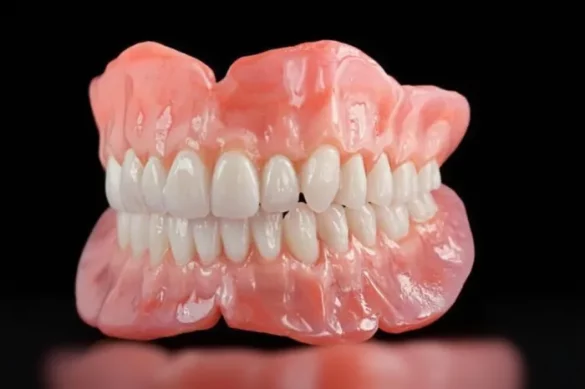
Losing all or most of your natural teeth can impact your ability to eat, speak, and maintain your facial structure. Thankfully, full dentures offer effective solutions to restore dental function and confidence. Today, advancements in prosthodontics present several types of full dentures, each designed to address specific clinical needs and lifestyle preferences.
Understanding Full Dentures
Full dentures, also called complete dentures, are removable dental devices that replace all the teeth in either the upper or lower jaw, and sometimes both. They are custom-designed to sit comfortably on the gums, restoring the look and function of natural teeth. Choosing the best type depends on your oral health, budget, and aesthetic preferences.
8 Best Type of Full Dentures
1. Conventional Full Dentures
Conventional full dentures are the most classic and widely used type. These prostheses are made after your gums have fully healed from tooth extraction, ensuring a precise fit. Typically, there is a waiting period of 8 to 12 weeks after removing your natural teeth before conventional dentures are placed. This type offers reliable support and restores facial contours, but it may require periodic adjustments as the gums reshape over time.
2. Immediate Full Dentures
Immediate full dentures are created in advance and inserted right after tooth extraction. Their major advantage is that you do not have to go without teeth during the healing process. However, they often need more adjustments since gum tissues shrink as they heal, possibly affecting the fit.
3. Custom Full Dentures
Custom full dentures are crafted specifically to mimic the natural appearance of your original teeth and complement your facial features. They are designed with premium materials and tailored for the highest comfort and aesthetics. This customization often increases the cost, but results in a natural look and snug fit that enhances confidence.
4. Implant-Supported Full Dentures
Implant-supported dentures rest on dental implants surgically placed in the jawbone. This option provides superior stability, chewing efficiency, and a more natural biting experience. Implant-supported dentures are less likely to shift or slip and can be cared for similarly to natural teeth. However, they require oral surgery and a healthy jawbone to anchor the implants.
5. Snap-In Full Dentures
Snap-in dentures combine the convenience of removable dentures with the stability of dental implants. They “snap” onto attachments fixed to implants or existing teeth, offering a secure fit while allowing for easy cleaning and maintenance. This type is ideal for those seeking improved security without committing to permanently fixed prosthetics.
6. Overdentures
Overdentures are full dentures designed to fit over remaining natural roots or dental implants. The retained roots or implants help preserve jawbone dimensions and provide additional support, leading to better denture stability and chewing force. Overdentures are removable, making them a flexible and comfortable option.
7. Economy Full Dentures
Economy full dentures are prefabricated, low-cost options for those seeking an affordable solution. These dentures are not customized, so they might feel loose or look less natural compared to other types. Adhesives are often used to keep them in place. While they offer savings, users may experience reduced comfort and functional efficiency.
8. Upper and Lower Full Dentures
Upper full dentures cover the entire upper gum and palate, while lower full dentures sit along the lower gum. These specialized denture types are tailored to the unique anatomy of each arch, addressing different functional challenges. Upper dentures usually achieve better suction due to the palate, while lower dentures must accommodate tongue movement, often requiring adjustments for speech and comfort.
Factors to Consider When Choosing Full Dentures
Selecting the best type of full denture is a personal decision involving several considerations:
- Oral Health: The condition of your jawbone and gums influences which options are viable.
- Appearance: Custom dentures and implant-supported dentures provide the most natural look.
- Comfort: Proper fit is key for daily wear; custom and implant-supported types typically offer the best comfort.
- Cost: Economy dentures are the most affordable but may lack in aesthetics and stability. Premium options offer better performance at a higher price.
- Duration: Immediate dentures offer a quick solution, while conventional and implant-supported options require more time for fitting and healing.
- Maintenance: Some dentures require removal and cleaning, while others can be cared for like natural teeth.
The Importance of Professional Consultation
Every patient’s mouth is unique. Professional advice from a prosthodontist ensures you select the most suitable type of full denture, taking into account your health history, expectations, and lifestyle. Only a dental specialist can assess your oral structures and guide you toward the most comfortable and functional solution.
Conclusion
Full dentures play a critical role in restoring oral function, facial appearance, and self-esteem for individuals with significant tooth loss. Today’s options cover a broad range: from cost-effective economy dentures to high-performance implant-supported and custom dentures. Each type offers unique benefits, and the ideal solution will come down to your needs and priorities. Always consult with your dental professional to make the most informed and personalized choice.
FAQs
What is the difference between conventional and immediate full dentures?
Conventional dentures are fitted after the gums have healed post-tooth extraction. Immediate dentures are placed right after extraction to provide temporary function but may need adjustments as gums heal.
Are implant-supported dentures permanent?
Implant-supported dentures are fixed to dental implants and can be either permanent or removable, depending on the design and patient preference.
How often should I replace my full dentures?
On average, full dentures should be replaced every five to seven years. However, regular check-ups are necessary to monitor fit and function.
Can I eat normally with full dentures?
Yes, although there may be an adjustment period. Implant-supported and custom dentures typically offer improved chewing efficiency over economy types.
Do full dentures require special cleaning?
Full dentures should be removed and cleaned daily to prevent infections and maintain oral hygiene. Your dentist will recommend the best care routine for your specific denture type.