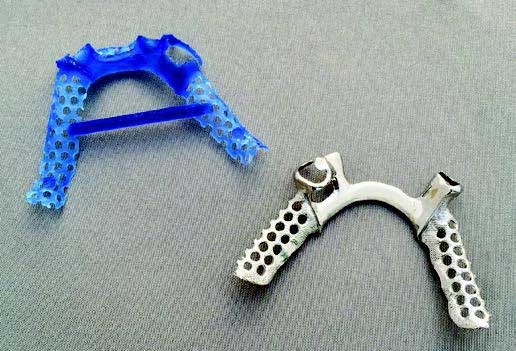
 When it comes to casting metal restorations, choosing the right investment material is crucial for achieving accurate, well-fitting results. One of the most important factors to consider is thermal expansion, which determines how much the investment expands during burnout and casting. Understanding the differences between high-expansion and low-expansion investments can help ensure predictable outcomes in restorative dentistry., ,The expansion of the investment material is essential because metal alloys shrink as they cool. By carefully selecting an investment with the right expansion properties, dental professionals can prevent casting misfits and achieve precise restorations., ,High-Expansion Investments,High-expansion investments are designed to compensate for significant metal shrinkage, especially in base-metal alloys (e.g., cobalt-chromium, nickel-chromium). They are best for:,- Large restorations (full crowns, bridges)
– Base-metal alloys (higher shrinkage rate)
– Situations requiring extra compensation for casting shrinkage, ,Low-Expansion Investments,Low-expansion investments provide minimal expansion, suited for noble metals and high-gold-content alloys with lower shrinkage. They are best for: ,- Precious/noble metal alloys (e.g., gold, palladium)
– Small, delicate restorations (inlays, onlays)
– Cases where excessive expansion could lead to oversized castings, ,Choosing between high-expansion and low-expansion investments depends on the alloy type, restoration size, and casting requirements. Base-metal alloys typically require high-expansion investments, while noble alloys benefit from low-expansion options. Understanding these differences allows for better accuracy, improved fit, and fewer adjustments in the final restoration.,


