 Sterilization is a key component of modern dentistry, ensuring patient and practitioner safety by preventing cross-contamination and the spread of infectious diseases. The journey of sterilization in dentistry has been marked by significant advancements. Understanding this evolution not only highlights the progress made in dental care but also underscores the importance of adopting advanced sterilization practices today., ,The Early Days: Beginnings of Sterilization in Dentistry
In the early days of dentistry, sterilization was minimal, relying primarily on basic cleaning methods. Instruments were often rinsed with water or wiped with alcohol, which provided only limited microbial control., ,By the early 20th century, dentists began to adopt boiling water and steam sterilization to kill bacteria and viruses. While effective against many pathogens, these methods were not foolproof, particularly for heat-sensitive instruments and resistant microorganisms., ,The Mid-20th Century: Chemical Sterilants Emerge
The introduction of chemical sterilants in the mid-20th century marked a turning point in dental sterilization. Chemicals such as formaldehyde and glutaraldehyde became widely used for cold sterilization, particularly for instruments that could not withstand high temperatures. These sterilants offered broader antimicrobial coverage and could penetrate complex dental tools more effectively., ,The Advent of Autoclaves
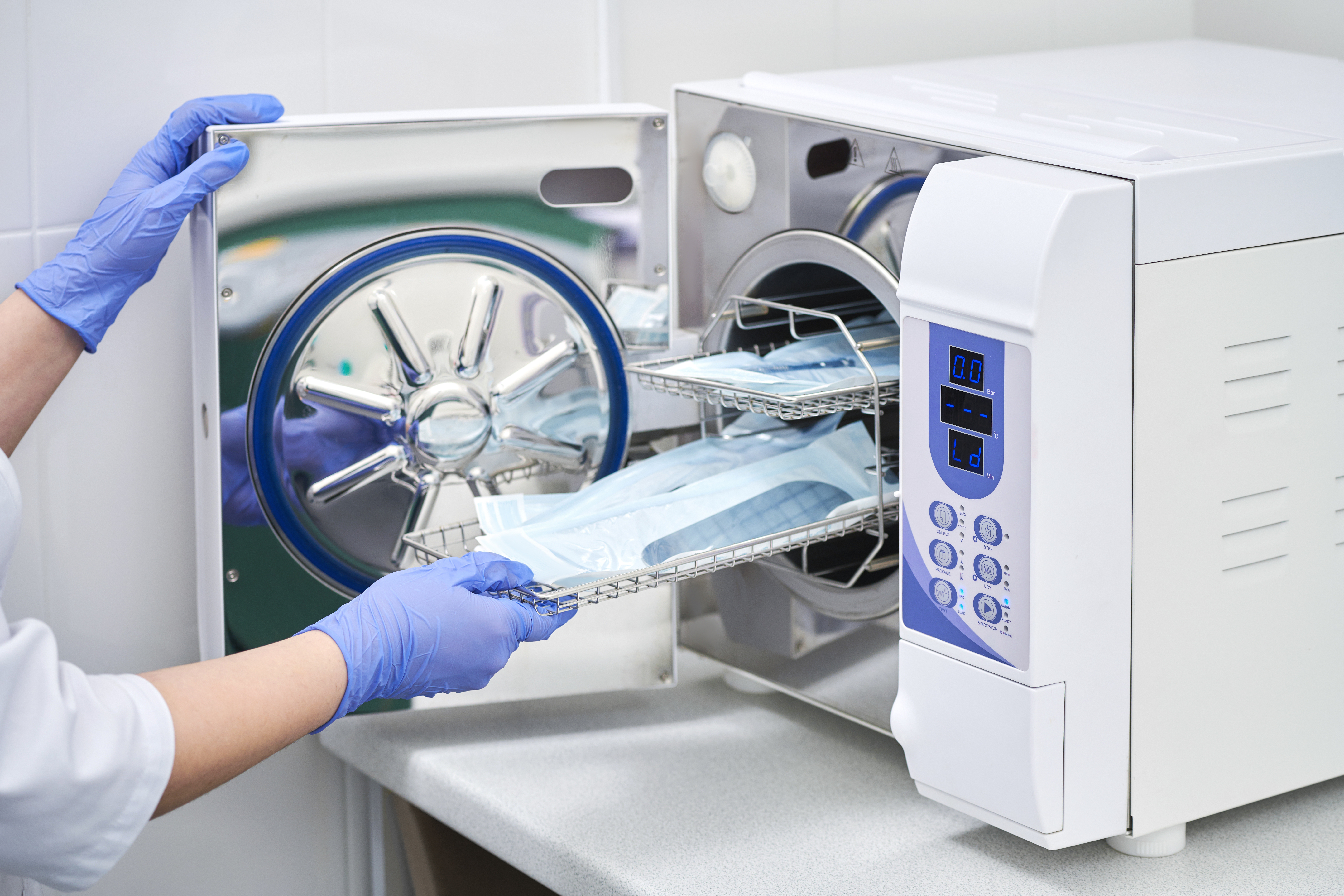
The development of the autoclave revolutionized sterilization in the mid-1900s. Utilizing high-pressure steam, autoclaves provided consistent and reliable sterilization, effectively killing a wide range of pathogens, including spores. They became the gold standard for dental instrument sterilization, combining efficiency with safety. Over time, autoclaves were improved with features such as faster cycles, pre-vacuum systems, and automated controls., ,Late 20th Century: Refinement of Sterilants and Infection Control Protocols,As infection control protocols evolved, so did sterilants. Advanced chemical solutions like hydrogen peroxide, peracetic acid, and quaternary ammonium compounds offered enhanced efficacy while being less hazardous than their predecessors. These sterilants were particularly useful for heat-sensitive items, such as dental mirrors, plastic components, and endodontic instruments., ,The late 20th century also saw the establishment of stringent infection control guidelines by organizations like the CDC and OSHA. These guidelines emphasized the importance of sterilant efficacy testing, routine maintenance of sterilization equipment, and proper documentation to ensure compliance., ,Modern Day: Advanced Sterilants Technology
Today, modern sterilants and equipment prioritize precision. Newer formulations can eliminate bacteria, viruses, fungi, and spores within shorter contact times. Advanced sterilants are designed to be gentle on delicate dental instruments, extending their lifespan. Technological advancements have also improved the sterilization process, introducing plasma sterilizers, automated systems with integrated digital monitoring, and smart sterilization devices., ,Looking Ahead: The Future of Sterilization in Dentistry,As dentistry continues to evolve, sterilization practices will undoubtedly advance further. Emerging technologies such as nanotechnology-based antimicrobial coatings, UV-C sterilization, and AI-driven sterilization monitoring hold promise for even greater safety and efficiency., ,By staying informed about advancements in sterilization technology and incorporating best practices, dental professionals can ensure the highest standards of care, fostering trust and confidence among patients. Investing in modern sterilization methods creates a safer, healthier future for everyone in the dental office., ,


