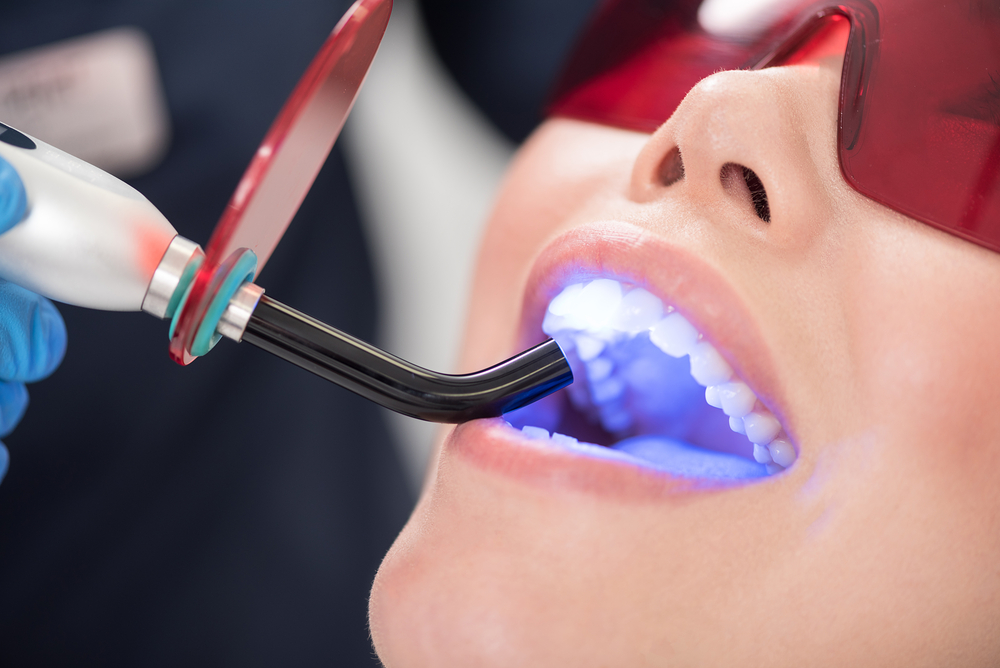
 Understanding the nuances of curing lights is important for any clinician looking to ensure effective polymerization of dental materials and, consequently, the longevity and durability of their treatments. Here is DPS’ guide to today’s curing lights:
Types of Curing Lights
There are 3 main types of curing lights: LED, halogen, and plasma arc. LED lights are the most popular due to their efficiency, reliability, minimal heat production, longer lifespan, and consistent curing output. Although less common now, halogen lights and plasma arc lights are still used, with the former having broader wavelengths and the latter offering rapid curing.
Wavelength Matters
Dental materials are designed to polymerize optimally at specific wavelengths, typically around 450 to 470 nanometers. Curing lights should align with the materials used in each practice for predictable results.
Light Intensity and Power
The power output of curing lights also influences the depth of cure. They must provide adequate intensity to polymerize materials effectively. High-power lights can reduce curing times, enhancing clinical efficiency.
Light Tips and Accessories
Opt for curing lights with interchangeable tips to suit different clinical scenarios. Light guides and shields can enhance the versatility of the device.
Maintenance and Calibration
Over time, a curing light’s output may diminish. Regular maintenance and calibration are essential to ensure it functions correctly.
Eye Protection
Clinicians need to protect their eyes and their patients’ eyes from intense the blue light during curing. Safety glasses with orange filters are commonly used in dental practices.


