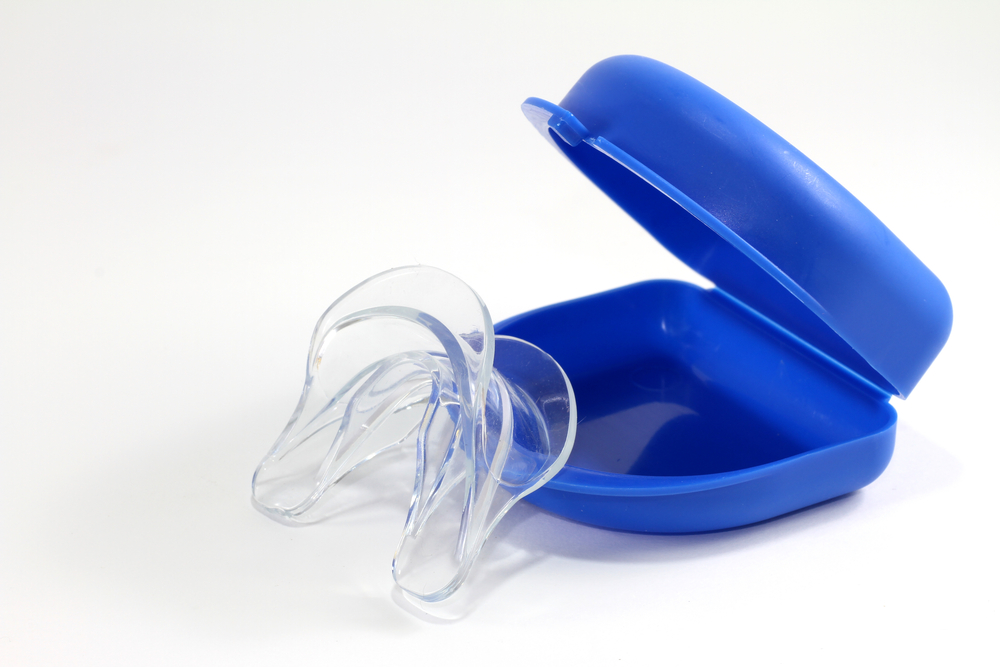
 Mouthguards and biteguards in dentistry can offer protection for both the mouth and teeth. Mouthguards are commonly used in sports to protect teeth, lips, cheeks, and tongue from injury during physical activity. Biteguards address dental issues such as bruxism or temporomandibular joint (TMJ) disorders. Here are some considerations:
Custom vs. Over-the-Counter: Custom-fitted guards offer better fit and protection, while over-the-counter options are more affordable but may not provide the same level of customization or protection.
Material: Most mouthguards are made of ethylene vinyl acetate (EVA), which offers a balance of comfort and protection. Biteguards may be made of softer materials like silicone for comfort during prolonged wear, or harder materials like acrylic for durability and protection against grinding.
Durability/Comfort: Assess durability for sports mouthguards that may experience impact and ensure they can withstand wear and tear over time without compromising their protective qualities. Ill-fitting or uncomfortable guards may discourage wear, reducing their effectiveness.
Breathing and Speech: Mouthguards should allow for easy breathing and clear speech, especially during physical activity.
Hygiene: Look for guards that are easy to clean and sanitize to prevent bacterial growth and odors.


