


Dentistry is facing a defining moment as leaders warn that the profession must move decisively from reactive treatment to prevention-focused oral healthcare.
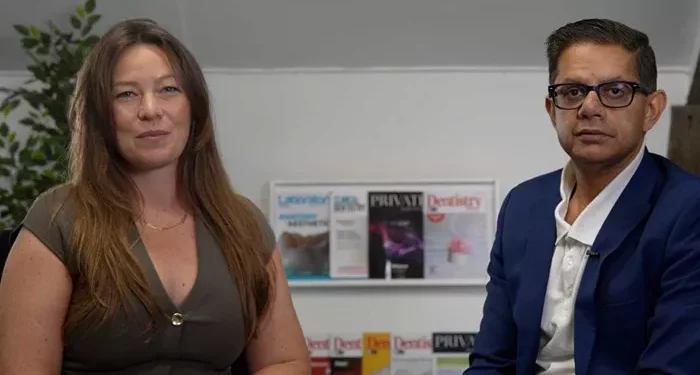
Dental therapist Cat Edney and Professor Avijit Banerjee say the greatest challenge ahead is not technological, but cultural. Despite rapid advances in materials, digital workflows and artificial intelligence, they argue that dentistry remains constrained by outdated systems that prioritise treatment over long-term wellbeing.
“Oral healthcare should be viewed as an investment in overall health, not simply a response to disease,” Banerjee said. “The evidence linking oral health to general and mental health is clear. The system has not yet caught up.”
Both point to remuneration models as a major barrier. Current systems, they say, reward procedures rather than preventive care, encouraging a “watch and wait” approach that makes little clinical sense.
“You would never tell a patient with high blood pressure or pre-diabetes to wait and see,” Banerjee said. “Yet that has been standard practice in dentistry for decades.”
Edney added that prevention often goes unpaid if it does not involve a physical intervention, leaving practices with little incentive to invest in education, training and behaviour change.
At the same time, they believe momentum is building. Minimum intervention oral care is increasingly taught to new graduates and adopted in primary care. The challenge, they say, is ensuring it becomes embedded across the entire profession.
“This has to move beyond technique and become part of dental culture,” Banerjee said. “We need to shift from asking patients what is wrong with them to asking what matters to them.”
Education is central to that shift. Edney highlighted widespread gaps in public understanding of oral health, from children to older adults who still see tooth loss as inevitable.
“This is a societal issue, not just a workforce issue,” she said. “Policy has to address it, starting with early education and continuing throughout life.”
They also stress the importance of teamwork. Dental nurses, hygienists and therapists all have a critical role in minimally invasive care, but only if their contributions are properly valued and supported. Industry collaboration is equally important, they argue, to ensure innovations work together to deliver personalised, preventive care.
Technology is already accelerating change. AI tools are helping patients better understand radiographs and disease risk, making them more open to early intervention rather than delayed treatment.
“Patients are no longer asking us to wait,” Edney said. “They want to know what they can do to stay healthy.”
Banerjee believes patient expectations will continue to evolve, with greater emphasis on shared decision-making, sustainability and holistic wellbeing. He says dentistry must respond with unity and clear messaging if prevention is to scale.
“Medicine has achieved this alignment,” he said. “Dentistry is catching up. The opportunity is there, but we need to move faster.”
Both agree the next step is open, honest discussion across the profession.
“Prevention is the direction of travel,” Edney said. “Now the system needs to support it.”