

A 2025 Delta Dental report finds adults with dental insurance are far more likely to seek preventive care than those without coverage. The State of America’s Oral Health and Wellness Report, based on responses from 2,000 U.S. adults and parents of children 12 and under, highlights persistent gaps in daily oral hygiene and in understanding oral-systemic health links.
In 2024, 67% of insured adults visited the dentist for preventive care, compared with 28% of uninsured adults. Eighty-six percent of respondents said dental insurance is essential to protect oral and overall health, and 85% said it encourages better oral-health habits.
General awareness of oral health’s role in overall wellbeing is high: 91% of adults view oral health as integral to overall health, and 95% of parents feel the same about their children. But detailed understanding lags for specific conditions.
Fewer adults recognize links between oral health and respiratory illness, high blood pressure, heart disease, and stroke — a gap the report calls a continuing challenge for dental teams.
Preventive visits remain stable. In 2024, 84% of adult dental visits were preventive, a slight increase over the prior year. Emergency or unexpected visits fell, while cosmetic visits declined.
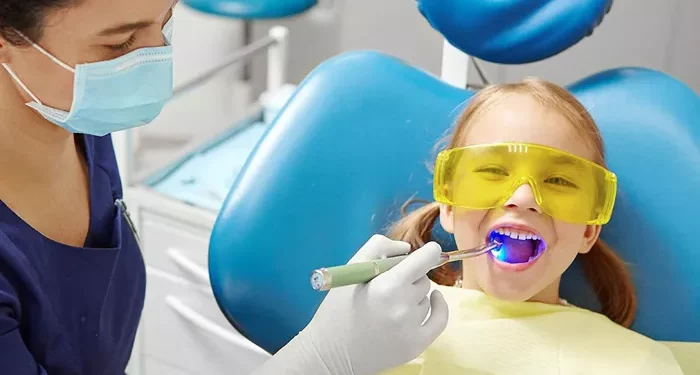
Parental reports show similar trends: 95% of parents said their child had a dental visit in the past year, and 94% of those visits were preventive. The report notes insurance plays a major role in maintaining these rates.
At-home hygiene, however, is slipping. The share of adults who brush twice daily dropped from 79% to 74%, and daily flossing fell from 76% to 71%. Mouthwash use also decreased. Children mirror these patterns: two-thirds now brush twice daily, down from 72% in 2024, and flossing and mouthwash use remain low. Parents cited resistance to brushing, high sugar intake, and inconsistent routines as key reasons.
Dental anxiety and cost continue to block care. One in five adults avoid the dentist because of fear or discomfort; 14% of parents reported the same for their children.
Common reasons include fear of pain, previous negative experiences, the sights and sounds of the operatory, and embarrassment about oral condition. Financial strain was especially influential among the uninsured.
Knowledge of pregnancy-related oral health is limited. Only half of people who are or have been pregnant recognize the importance of oral care during pregnancy. About one-third know pregnancy increases susceptibility to gum disease, and even fewer connect poor oral health to adverse pregnancy outcomes.
The report also flagged declines in routine replacement of toothbrushes. The share of adults replacing toothbrushes every three months fell from 64% in 2023 to 53% in 2025. Baby boomers were the least likely to replace brushes on schedule (47%), compared with 60% of Gen Z.
Delta Dental executives framed the findings as evidence of benefits tied to coverage. “I’m encouraged to see that a vast majority of adults with dental benefits continue to report tangible physical, mental, and financial health benefits,” said James W. Hutchison, president and CEO of Delta Dental Plans Association. Joseph Dill, DDS, MBA, chief dental officer at Delta Dental, urged a combined focus on at-home care and regular dental visits to improve oral and overall health.