


Dr. John Brooks of the University of Maryland School of Dentistry noticed that dental patient Jeff Clayton had three unexplained allergic reactions in two months, all after eating beef.
Clayton was diagnosed with alpha-galactosidase syndrome (AGS), a severe allergic reaction to red meat, such as beef and pork, caused by tick bites.
When a tick bites a person, the alpha-galactosidase molecule in its saliva is mistakenly identified by the immune system as a threat, triggering an allergic reaction. The lone star tick is the main tick that triggers this reaction, especially in the southern and southeastern regions of the United States.
According to the Centers for Disease Control and Prevention (CDC), more than 90,000 cases of AGS were reported in the United States between 2017 and 2022, and the incidence is rising rapidly.
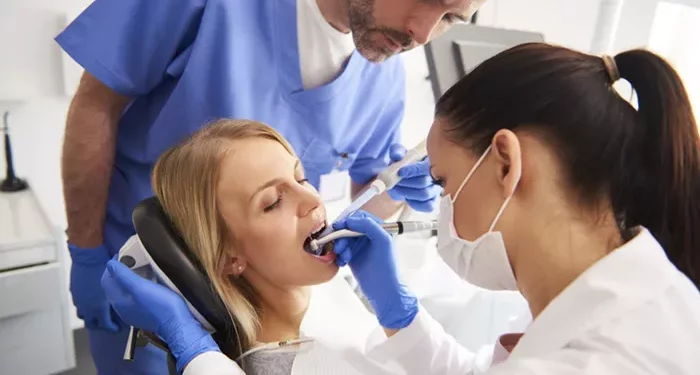
So, what is the connection between AGS and dental treatment? Dr. Brooks, a clinical professor in the Department of Oncology and Diagnostic Sciences at the University of Maryland School of Dentistry, first noticed this issue while treating a patient in 2022.
Less than 12 hours after taking a doxycycline capsule containing animal gelatin for a dental abscess, the patient experienced a severe allergic reaction with itchy and swollen throat.
Dr. Brooks and his team began to investigate further and found little literature linking α-galactosidase to dental procedures.
Their meticulous investigation included reviewing the ingredients of numerous dental products, including material safety data sheets on dental supplier websites, and even visiting pharmacies to take photos of product ingredients.
The study revealed that many commonly used dental products can trigger allergic reactions in patients with AGS. These products include hemostatics used to control bleeding during oral surgery, certain toothpastes and mouthwashes, bone graft materials, collagen-based dermal fillers, some sutures, and medications in gelatin capsules.
Brooks’ team reported five cases of AGS-related allergic reactions to dental procedures—four of which were associated with hemostatics and one with gelatin capsules—all requiring urgent medical intervention.
The study calls for increased awareness among oral healthcare providers about AGS, its symptoms, and potential risks, to ensure safe and effective treatment for their patients.