


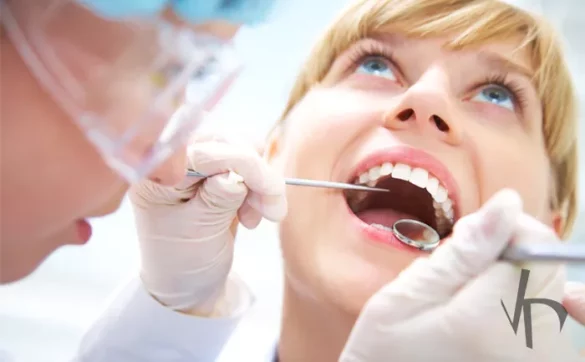
Temporary fillings are common dental treatments used to protect a tooth between dental visits. They serve as a short-term solution when permanent restoration is not immediately possible. These fillings help seal the tooth from bacteria, food debris, and temperature changes, reducing pain and sensitivity. However, patients often wonder if temporary fillings fall out easily and what can be done to prevent this.
What Are Temporary Fillings Made Of?
Temporary fillings are typically made from materials such as zinc oxide-eugenol, glass ionomer, or composite resins designed for short-term use. These materials are softer and less durable than permanent fillings. This softness allows dentists to easily remove the temporary filling when it’s time for a permanent restoration. However, the softer material is more prone to wear and accidental loss.
Why Do Temporary Fillings Fall Out?
1. Material Wear and Tear
Because temporary filling materials are not as hard or durable as permanent ones, they can wear down faster. Chewing, biting, and grinding apply pressure to the temporary filling, causing it to chip or loosen over time.
2. Incomplete Bonding
Temporary fillings may not bond as strongly to the tooth structure as permanent fillings. This weaker adhesion increases the chance that the filling will become dislodged, especially if exposed to heavy chewing forces.
3. Eating Hard or Sticky Foods
Foods like caramel, chewing gum, nuts, and hard candies can stick to or pull on temporary fillings. This can cause the filling to loosen or fall out prematurely. Avoiding such foods can reduce this risk.
4. Poor Oral Hygiene
Poor oral hygiene can lead to gum disease and tooth decay around the temporary filling. Inflammation of the gums or further decay beneath the filling can weaken the tooth and cause the filling to dislodge.
5. Trauma or Accidental Impact
Accidental trauma, such as biting something hard or a blow to the face, can loosen or dislodge a temporary filling.
Symptoms When Temporary Fillings Fall Out
1. Increased Tooth Sensitivity
When a temporary filling falls out, the exposed dentin and nerve endings can cause sensitivity to hot, cold, or sweet stimuli. This sensitivity can be sharp and sudden.
2. Pain or Discomfort
The exposed tooth may be painful when chewing or biting. The sensitivity can sometimes worsen if bacteria or food particles enter the exposed area.
3. Visible Hole or Gap
You may notice a visible gap or hole where the filling was previously placed. Food can become trapped in this area, increasing discomfort and risk of decay.
Risks of Lost Temporary Fillings
1. Risk of Tooth Decay
Without the protective barrier of the filling, the tooth becomes vulnerable to bacterial invasion, which can cause decay or worsen existing cavities.
2. Gum Disease Risk
If food debris and bacteria accumulate near the exposed tooth, it can lead to gum inflammation or gum disease, especially if oral hygiene is poor.
3. Increased Sensitivity and Discomfort
Exposed dentin and nerve endings cause sensitive teeth, making eating and drinking uncomfortable until the tooth is properly treated.
What to Do If Your Temporary Filling Falls Out
1. Contact Your Dentist Immediately
If you notice your temporary filling has fallen out, contact your dentist as soon as possible. Temporary fillings are not designed to last long, but your dentist can replace it to protect the tooth.
2. Maintain Good Oral Hygiene
Brush gently around the exposed tooth with a soft-bristle toothbrush. Floss carefully to remove food particles, but avoid vigorous flossing that might damage the gum.
3. Avoid Certain Foods
Avoid chewing on the side with the lost filling. Steer clear of sticky, hard, or sugary foods to reduce discomfort and prevent further damage.
4. Use Temporary Dental Repair Kits
Over-the-counter temporary filling materials can be used to cover the exposed area until you see your dentist. However, these are not permanent solutions and should only be used short-term.
How to Prevent Temporary Fillings From Falling Out
1. Follow Post-Treatment Instructions
Your dentist will provide instructions on eating, oral hygiene, and activities to avoid. Following these carefully helps extend the life of the temporary filling.
2. Avoid Hard or Sticky Foods
Temporarily avoid foods that can pull or chip the filling. Opt for soft foods and chew on the opposite side of the mouth.
3. Maintain Excellent Oral Hygiene
Brush gently twice daily and floss carefully to keep the tooth and surrounding gums healthy. Good hygiene helps prevent gum disease and further decay.
4. Be Careful with Habits
Avoid habits like nail biting, chewing ice, or grinding your teeth, as these can damage temporary fillings.
Temporary Fillings and Sensitive Teeth
Temporary fillings often cover areas where the tooth’s protective enamel is compromised. This can expose sensitive teeth, especially if the filling falls out or loosens. Sensitive teeth cause discomfort when exposed to temperature changes or sweet foods. Using toothpaste for sensitive teeth and avoiding triggers can help manage this discomfort until permanent treatment.
Temporary Fillings and Gum Disease
If a temporary filling falls out or leaks, bacteria can accumulate and irritate the gums around the tooth. This may lead to gum inflammation or early gum disease (gingivitis). Maintaining good oral hygiene and visiting the dentist promptly can prevent gum disease progression during the temporary filling phase.
When Are Temporary Fillings Used?
Temporary fillings are used in several situations:
To protect a tooth after decay removal before a permanent filling or crown is placed.
During root canal treatment to seal the tooth between appointments.
To provide relief from sensitivity or pain until permanent treatment is possible.
When a permanent filling or crown requires lab work and cannot be placed immediately.
How Long Do Temporary Fillings Last?
Temporary fillings usually last from a few days to a few weeks, depending on the material used and how well the patient follows care instructions. They are not designed for long-term use, so timely follow-up with your dentist is essential to avoid complications.
Signs You Need to Replace a Temporary Filling
1. Filling Fell Out or Loosened
Obviously, a lost or loose temporary filling requires immediate attention.
2. Increased Sensitivity or Pain
If sensitivity worsens or pain develops, it may mean the filling is failing to protect the tooth adequately.
3. Visible Decay or Damage Around the Filling
Any signs of decay or tooth damage under or around the filling mean the tooth needs professional care.
Conclusion
Temporary fillings play an important role in protecting teeth during dental treatment. While they can fall out or loosen more easily than permanent fillings, proper care and avoiding harmful habits can reduce this risk. If a temporary filling does fall out, contact your dentist promptly to prevent sensitivity, pain, and complications like gum disease or tooth decay.
Maintaining good oral hygiene and following dental advice helps protect sensitive teeth and gums during this temporary phase.