


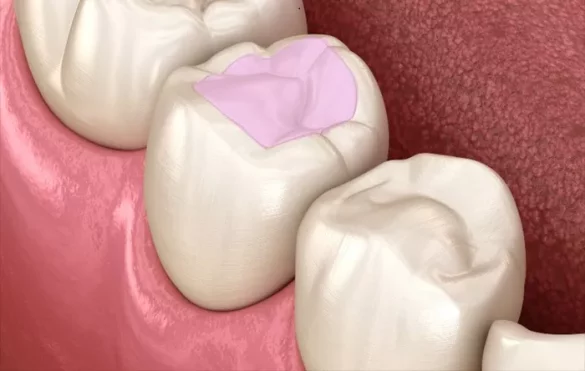
A root canal treatment is a dental procedure designed to save a tooth damaged by infection or decay. After removing the infected pulp inside the tooth, the space must be sealed properly to prevent further infection. This seal is called a permanent filling. It plays a critical role in protecting your tooth and maintaining your oral health.
What Happens During a Root Canal?
Understanding the Tooth Structure
Every tooth has three main parts: the enamel (outer hard layer), dentin (middle layer), and pulp (inner soft tissue with nerves and blood vessels). When bacteria invade the pulp, it causes infection and severe pain, often referred to as sensitive teeth.
The Root Canal Procedure
The dentist removes the infected pulp, cleans and shapes the root canals, then fills them with a material called gutta-percha. This stops the infection from spreading.
The Need for Permanent Filling
After filling the canals, the tooth becomes fragile and prone to damage. To restore its strength and function, the tooth is sealed with a permanent filling or crown. This filling seals the access hole made during treatment and protects against bacteria entering again.
What Is a Permanent Filling?
Definition
A permanent filling is a dental restoration that closes the opening in a tooth after a root canal. Unlike temporary fillings, it is designed to last for many years and withstand chewing forces.
Materials Used for Permanent Fillings
Common materials include composite resin, amalgam, or sometimes glass ionomer. Composite resin is popular because it matches tooth color and bonds well to tooth structure.
Difference Between Temporary and Permanent Fillings
Temporary fillings protect the tooth short-term after root canal treatment. They are softer and not meant for heavy chewing. Permanent fillings are stronger and sealed to prevent bacteria, ensuring long-term protection.
The Importance of Permanent Filling After Root Canal
Prevents Reinfection
Without a proper permanent filling, bacteria can enter the tooth again, causing reinfection. This may lead to persistent gum disease or abscess formation.
Restores Tooth Function
The filling rebuilds the tooth’s structure, allowing you to chew properly and avoid putting extra stress on nearby teeth.
Prevents Tooth Fracture
Root canal treated teeth are more brittle. A permanent filling reinforces the tooth, reducing the risk of cracks or fractures.
Step-by-Step Process of Placing a Permanent Filling After Root Canal
1. Cleaning and Drying the Tooth
After root canal treatment, the dentist removes any temporary filling and cleans the tooth to prepare for permanent restoration.
2. Filling the Access Cavity
The dentist places the permanent filling material into the cavity, carefully shaping and adapting it to the tooth.
3. Hardening the Filling
For composite fillings, a special curing light hardens the material. This ensures a strong bond and durability.
4. Polishing and Adjusting
The filling is polished smooth to prevent irritation and adjusted to fit your bite comfortably.
Types of Permanent Fillings After Root Canal
Composite Resin Fillings
These are tooth-colored, esthetic, and bond well to the tooth. They are popular for front and back teeth.
Amalgam Fillings
Made from a mix of metals, amalgam is very strong and durable but not tooth-colored, making it less popular today.
Glass Ionomer Fillings
These release fluoride, which helps protect against further decay. However, they are less durable than composites or amalgam.
Crowns as Permanent Restoration
In many cases, a crown is placed instead of a simple filling. Crowns fully cover the tooth, offering maximum protection and strength after root canal therapy.
How Long Do Permanent Fillings Last?
The lifespan depends on the material used, the tooth’s location, and your oral hygiene. Composite fillings can last 5-10 years, while amalgam may last longer. Crowns may last 10-15 years or more with good care.
Care for Teeth With Permanent Fillings After Root Canal
Maintaining Oral Hygiene
Brush twice a day with fluoride toothpaste and floss daily to prevent plaque buildup that can lead to gum disease or new cavities around the filling.
Managing Sensitive Teeth
Sensitivity is common after root canal treatment and filling placement. Use toothpaste for sensitive teeth and avoid very hot or cold foods initially.
Regular Dental Check-ups
Visit your dentist regularly to monitor the filling’s condition and the overall health of the tooth and gums.
Avoiding Excessive Force
Don’t chew on very hard foods or objects like ice or pens, which can damage the filling or tooth.
Potential Complications and When to See a Dentist
Signs of Filling Failure
- Persistent pain or sensitivity
- Visible cracks or chips
- Loose filling
- Swelling or signs of infection around the tooth
Reinfection and Gum Disease
If bacteria enter the tooth again, it can cause infection or worsen gum disease. This may require retreatment or tooth extraction.
Allergic Reactions
Though rare, some people may react to filling materials. Discuss allergies with your dentist before treatment.
Frequently Asked Questions About Permanent Filling After Root Canal
Does the permanent filling hurt?
The procedure is painless because the tooth is usually numb. Some mild sensitivity may occur afterward but usually fades.
Can I eat immediately after the filling?
It depends on the filling material. Your dentist will advise when it’s safe to eat.
Can permanent fillings prevent future cavities?
They seal the treated tooth, reducing risk, but good oral hygiene is still essential to prevent new decay.
What if I don’t get a permanent filling after root canal?
The tooth can become reinfected, weaken, and eventually require extraction.
Conclusion
A permanent filling after root canal treatment is essential to protect and restore your tooth. It helps prevent reinfection, restores function, and reduces the risk of complications such as gum disease and sensitivity. Choosing the right filling material and maintaining good oral hygiene will ensure your tooth remains healthy and strong for years to come.