


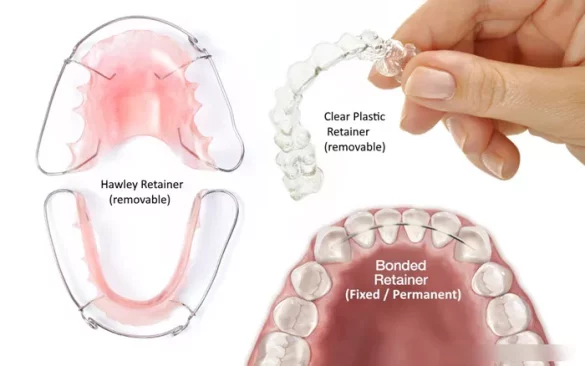
Bonded retainers are essential tools in maintaining the alignment of your teeth after orthodontic treatment. These fixed devices are usually made of a thin metal wire that is permanently attached to the back of the teeth, commonly the lower front ones. They help prevent teeth from shifting back to their pre-treatment positions. Unlike removable retainers, bonded retainers are always in place, ensuring continuous support.
The Average Lifespan of a Bonded Retainer
Typically, a bonded retainer can last anywhere from three to ten years. However, its durability largely depends on several factors including the quality of materials used, oral hygiene habits, and regular dental check-ups. With proper care, many patients report that their bonded retainers last even longer than a decade without any major issues.
Factors That Affect the Lifespan of a Bonded Retainer
1. Oral Hygiene Habits
Poor oral hygiene can lead to plaque buildup around the bonded retainer, increasing the risk of gum disease and tooth decay. Brushing twice daily, flossing, and using an interdental brush are key to keeping your retainer and surrounding teeth clean. This also helps prevent sensitive teeth due to enamel erosion or gum recession.
2. Diet and Eating Habits
Chewing on hard foods like ice or candies can bend or break the bonded wire. Sticky foods may dislodge the adhesive, causing the retainer to become loose. Avoiding such foods can significantly extend the life of your retainer.
3. Dental Materials and Adhesives
High-quality dental composites and stainless-steel wires used in bonding the retainer offer better longevity. Some materials are more resistant to wear and corrosion than others, influencing how long your bonded retainer will last.
4. Teeth Grinding and Jaw Issues
Patients with bruxism (teeth grinding) or TMJ disorders may exert excess pressure on their bonded retainers, causing them to wear out or break sooner than expected. In such cases, a night guard may be recommended to protect both the retainer and teeth.
Signs That Your Bonded Retainer May Need Replacement
1. Loosened Bond or Detached Wire
If the retainer wire becomes detached from one or more teeth, it will no longer function effectively and may even cause irritation or tooth movement.
2. Discomfort or Irritation
Persistent discomfort, gum irritation, or development of sensitive teeth might indicate that the retainer has shifted or become misaligned.
3. Accumulation of Plaque or Tartar
Visible plaque or tartar buildup around the retainer may be a sign that it is not being adequately cleaned or that its design is impeding proper oral hygiene, which could contribute to gum disease.
Maintenance Tips to Extend the Life of Your Bonded Retainer
1. Regular Dental Check-Ups
Routine dental visits allow your dentist to inspect the integrity of the retainer and clean any difficult-to-reach areas, reducing the risk of decay and gum disease.
2. Daily Cleaning Routine
Use a soft-bristled toothbrush and non-abrasive toothpaste to clean around the retainer. Floss daily using a floss threader or water flosser to prevent food particles from accumulating.
3. Avoiding Problematic Foods
Stay away from chewy, hard, or sticky foods that can cause detachment or damage to the retainer wire or bonding material.
Pros and Cons of Bonded Retainers
Advantages
- Permanent placement reduces the risk of forgetting or losing it
- Continuous alignment maintenance
- Not visible from the front
Disadvantages
- Difficult to clean, increasing the risk of gum disease
- May cause sensitive teeth if not maintained properly
- Can become detached or damaged, requiring professional repair
Bonded Retainers vs. Removable Retainers
While removable retainers can be taken out for cleaning and eating, they require consistent wear to be effective. Bonded retainers, on the other hand, provide a passive solution that works 24/7. However, they demand higher maintenance in terms of hygiene to avoid dental issues such as gum disease and sensitive teeth.
When Should a Bonded Retainer Be Removed or Replaced?
A bonded retainer may need removal if:
- It is damaged beyond repair
- There is ongoing gum disease or severe plaque accumulation
- The patient is undergoing other dental treatments
In some cases, orthodontists may recommend transitioning from a bonded to a removable retainer after several years, especially if the teeth are stable.
Can a Bonded Retainer Cause Dental Problems?
If not properly maintained, bonded retainers can trap food particles and plaque, leading to tooth decay, sensitive teeth, or gum disease. This is why proper oral hygiene is crucial for anyone with a fixed retainer.
What to Do if Your Retainer Breaks or Loosens
If your bonded retainer comes loose or breaks, do not attempt to fix it yourself. Contact your orthodontist or general dentist immediately. A loose retainer can lead to tooth movement, which could reverse the progress achieved during orthodontic treatment.
Professional Advice and Final Thoughts
A bonded retainer is a long-term investment in your smile. With the right care, it can last many years and provide consistent results. However, neglecting oral hygiene or ignoring signs of wear can lead to complications like sensitive teeth and gum disease. Regular check-ups, good brushing and flossing habits, and attention to your retainer’s condition are key to maintaining both your retainer and overall dental health.
FAQs
Can I floss with a bonded retainer?
Yes, but you will need a floss threader or water flosser to navigate around the bonded wire. Regular flossing is essential to prevent gum disease.
Does insurance cover bonded retainer replacement?
Coverage varies depending on your insurance provider. It’s best to check with your dental insurance policy or consult your orthodontist’s office.
Can bonded retainers be placed on upper teeth?
While more common on the lower teeth, bonded retainers can be applied to upper teeth in specific cases, particularly when upper front teeth are at risk of shifting.
What happens if I stop wearing my bonded retainer?
If the retainer is removed or breaks and not replaced, your teeth may gradually shift out of alignment, undoing the results of your orthodontic treatment.
Conclusion
So, how long does a bonded retainer last? With proper care, it can last for a decade or more. But its success largely depends on how well you maintain your oral hygiene and respond to issues like wire damage or discomfort. Preventive care, routine check-ups, and a healthy dental routine will not only keep your retainer intact but also protect you from gum disease and sensitive teeth.