


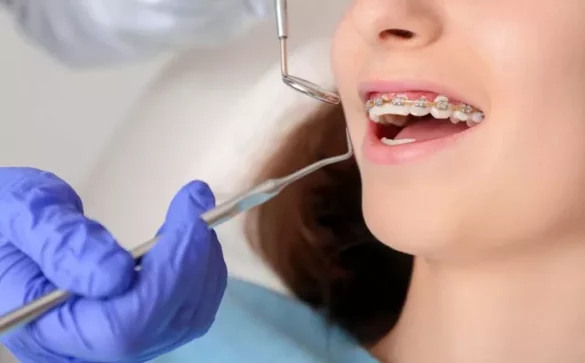
Braces are a common orthodontic treatment designed to align teeth and improve oral health. However, many patients notice that their lower braces hurt more than their upper braces. Understanding why this happens can help manage discomfort and improve the overall orthodontic experience. This article explores the five main reasons lower braces tend to cause more pain than upper braces, touching on factors like gum disease, sensitive teeth, and other dental issues.
5 Main Reasons Lower Braces Hurt More Than Upper Braces
1. Differences in Bone Density and Structure
Lower Jawbone Is Denser
The lower jawbone, or mandible, is generally denser and stronger than the upper jawbone (maxilla). This density means the teeth in the lower jaw are anchored more tightly. When braces apply pressure to move teeth, this resistance can cause more soreness and discomfort in the lower teeth compared to the upper teeth.
Impact on Tooth Movement and Pain
Because the bone is denser, tooth movement in the lower jaw may take longer or require more force. This increased force can lead to greater inflammation of the surrounding periodontal ligament and gums, causing a more intense pain sensation.
2. The Role of Gum Disease in Lower Teeth Sensitivity
Gum Disease More Common in Lower Jaw
Gum disease, including gingivitis and periodontitis, can worsen discomfort with braces. The lower teeth, especially the front ones, are more prone to plaque buildup due to saliva pooling and difficulty in cleaning. This can lead to more frequent gum inflammation and infection around lower braces.
How Gum Disease Increases Pain
Inflamed gums are more sensitive to pressure. When braces tighten or adjust, irritated gums around the lower teeth can cause sharper pain than in the upper teeth. Also, gum disease can expose root surfaces, increasing tooth sensitivity.
3. Sensitive Teeth Tend to Be More Problematic in the Lower Jaw
Why Lower Teeth Are Often More Sensitive
Many patients report higher sensitivity in their lower teeth. This can be due to thinner enamel or exposed dentin caused by gum recession or gum disease. Sensitive teeth react strongly to the pressure from braces, temperature changes, or food and drink.
Braces and Sensitivity Interactions
Braces apply continuous pressure to move teeth, which can irritate the nerve endings inside sensitive teeth. Lower teeth with exposed roots or weakened enamel can amplify pain, making lower braces feel more uncomfortable than upper braces.
4. Tongue and Cheek Interaction Causes Additional Discomfort
Lower Braces Are More Likely to Be Irritated by the Tongue
The tongue naturally rests against the lower teeth. When braces are placed on these teeth, the metal brackets and wires can rub against the tongue’s soft tissues. This friction can cause soreness, ulcers, or irritation, adding to the overall pain from braces.
Cheek Position and Lower Braces
While upper braces may irritate the inside of the lips and cheeks, the tongue’s constant movement against lower braces tends to cause more persistent irritation. This interaction can increase the perception of pain around lower braces compared to upper ones.
5. Mechanical and Functional Differences Affect Pain Levels
Chewing Forces Are Stronger on Lower Teeth
When chewing, the lower teeth usually bear more force than upper teeth. This added pressure can make the lower braces feel more painful, especially shortly after adjustments when teeth are tender and moving.
More Frequent Contact With Food
The lower teeth often come into contact with harder or more abrasive food particles, which can irritate braces and gums. This repeated contact may contribute to more soreness and discomfort in the lower braces.
Additional Factors Influencing Pain in Lower Braces
Oral Hygiene Challenges
Lower braces can be harder to clean thoroughly because of their position and saliva flow. Inadequate cleaning can lead to plaque buildup, worsening gum disease and sensitivity, which in turn heightens pain.
Individual Variation in Pain Thresholds
Every patient reacts differently to orthodontic treatment. Some may naturally feel more pain in the lower braces due to personal pain thresholds or dental conditions like enamel erosion or existing sensitivity.
Managing Pain From Lower Braces
Maintain Excellent Oral Hygiene
Brush and floss carefully around lower braces to reduce plaque and prevent gum disease. Using interdental brushes or water flossers can help clean hard-to-reach areas and reduce inflammation and sensitivity.
Use Orthodontic Wax
Apply orthodontic wax on lower brackets and wires that irritate the tongue or cheeks. This wax creates a smooth surface that reduces friction and soft tissue soreness.
Over-the-Counter Pain Relief
Nonsteroidal anti-inflammatory drugs (NSAIDs), like ibuprofen, can help relieve pain and reduce inflammation after adjustments. Always follow the dosage instructions and consult your orthodontist if pain persists.
Discuss Sensitive Teeth Treatments
If sensitive teeth are a problem, talk to your dentist about fluoride treatments or desensitizing toothpaste. These can help strengthen enamel and reduce nerve irritation caused by braces.
Regular Orthodontic Check-ups
Attend all scheduled appointments to ensure braces are properly adjusted and that any issues causing excessive pain, like loose brackets or wire pokes, are addressed promptly.
Conclusion
Lower braces often hurt more than upper braces due to several factors, including denser bone structure, increased gum disease risk, greater teeth sensitivity, constant tongue interaction, and stronger chewing forces. Understanding these reasons can help patients manage their discomfort better and maintain good oral health during orthodontic treatment. If pain is severe or persistent, always consult your orthodontist or dental care provider to ensure proper care and adjustments.