


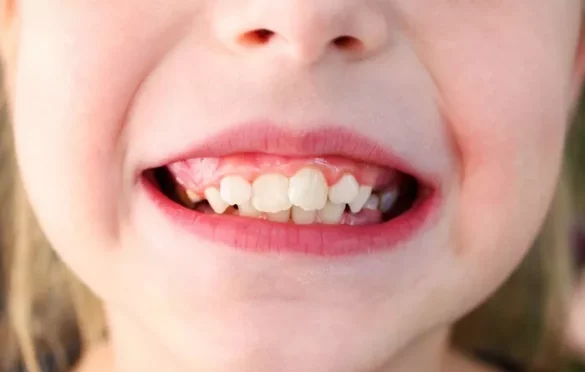
Buck teeth, also known as overjet, is a condition where the upper front teeth extend outward past the lower teeth. This dental misalignment can affect speech, chewing, facial aesthetics, and self-esteem. It may also increase the risk of injury to the protruding teeth.
Common Causes of Buck Teeth
- Genetics
- Thumb sucking in childhood
- Extended pacifier or bottle use
- Tongue thrusting
- Jaw bone developmental issues
Why It’s Important to Treat Buck Teeth
Correcting buck teeth isn’t just about appearance. It is crucial for dental function and long-term oral health. If left untreated, buck teeth can lead to:
- Gum disease due to improper cleaning and plaque buildup
- Increased chances of tooth damage
- Speech impediments
- Sensitive teeth from exposed surfaces or enamel wear
- Jaw pain and TMJ disorders
How Much Does It Cost to Fix Buck Teeth
The cost of fixing buck teeth largely depends on the type of treatment recommended by the dentist or orthodontist. Here are the most common options:
1. Traditional Metal Braces
Traditional braces use metal brackets and wires to realign the teeth. They are often the most effective for severe overjet cases.
Estimated Cost: $3,000 to $7,000
American Dental Association (ADA) guidelines recommend braces for various alignment issues, including overjet and crowding.
2. Ceramic Braces
Ceramic braces function like metal ones but are less visible. The brackets are tooth-colored, making them a popular aesthetic choice.
Estimated Cost: $4,000 to $8,500
These may not be ideal for those with gum disease, as ceramic brackets can be harder to keep clean.
3. Invisalign and Clear Aligners
Clear aligners are a popular choice for mild to moderate buck teeth. They are removable and almost invisible.
Estimated Cost: $3,000 to $8,000
Invisalign is ideal for adults and teens who can commit to wearing them 20–22 hours per day.
4. Dental Veneers
In some cases, cosmetic dentists use veneers to cover minor buck teeth. However, this method does not correct bite function.
Estimated Cost: $900 to $2,500 per tooth
Veneers are not recommended for patients with sensitive teeth or those who grind their teeth.
5. Jaw Surgery (Orthognathic Surgery)
Severe overjet caused by jaw structure may require surgery. This is often combined with braces for full correction.
Estimated Cost: $20,000 to $40,000
Jaw surgery is usually considered a last resort and may be partially covered by insurance.
Additional Costs to Consider
The total expense of fixing buck teeth may include more than just the braces or surgery. Other potential costs:
- Initial consultation: $100 to $300
- Dental x-rays and records: $150 to $500
- Retainers: $150 to $1,000
- Tooth extraction (if needed): $100 to $600 per tooth
- Treatment for gum disease prior to braces: $500 to $3,000
Does Dental Insurance Cover Buck Teeth Correction?
Coverage varies by insurance provider. Most dental plans cover orthodontic treatment for children under 18. Adult treatment may require additional orthodontic coverage. Surgery for functional issues might be covered under medical insurance.
Check with your provider or ask your dental office for help with insurance verification.
The Role of Gum Health in Orthodontic Treatment
Before correcting buck teeth, it’s essential to ensure that your gums are healthy. Gum disease can complicate or delay orthodontic treatment. Signs of gum disease include:
- Red, swollen gums
- Bleeding while brushing or flossing
- Bad breath
- Receding gum line
Professional cleaning and periodontal therapy may be needed before treatment. Treating gum disease early can also prevent sensitive teeth during and after orthodontic care.
What If You Have Sensitive Teeth?
Sensitive teeth are common in people undergoing orthodontic treatment. Braces or aligners can put pressure on the teeth and gums, which may cause discomfort. Dentists may recommend:
- Desensitizing toothpaste
- Fluoride varnish applications
- Avoiding acidic or cold foods
If sensitivity persists, it should be evaluated, as it could be linked to gum disease or enamel erosion.
How Long Does It Take to Fix Buck Teeth?
Treatment duration varies by case severity and method used:
- Braces: 18 to 36 months
- Invisalign: 12 to 24 months
- Surgery: Recovery may take 6 to 12 weeks; full treatment can take 1 to 2 years
Following your dentist’s advice is essential for a successful and timely outcome.
Tips to Reduce Overall Treatment Costs
There are ways to manage and even reduce the cost of fixing buck teeth:
- Choose a dental school clinic for treatment
- Use a Health Savings Account (HSA) or Flexible Spending Account (FSA)
- Inquire about in-house financing or payment plans
- Seek community dental health programs
Are Buck Teeth Ever Fixed for Free?
In certain cases, especially for children from low-income families, there are nonprofit or government-funded programs that offer dental care. Examples include:
- Medicaid (for eligible children and teens)
- Smiles Change Lives program
- Dental Lifeline Network
These programs may require proof of need and a waiting period.
What to Ask During Your Orthodontic Consultation
When seeking help to fix buck teeth, prepare a list of questions for your orthodontist:
- What treatment options do I qualify for?
- What are the pros and cons of each method?
- What is the total cost, including hidden fees?
- How long will the treatment take?
- Will I need additional dental work (e.g., gum disease treatment)?
Post-Treatment Care and Maintenance
Once treatment is complete, ongoing care is vital to preserve results:
- Wear retainers as prescribed
- Practice excellent oral hygiene
- Visit your dentist regularly
- Monitor for signs of gum disease or sensitive teeth
Conclusion
The cost to fix buck teeth can range from a few thousand to tens of thousands of dollars, depending on your needs. While this may seem expensive, the benefits—better oral function, gum health, reduced sensitivity, and improved self-confidence—make it worthwhile.
If you’re concerned about gum disease or already have sensitive teeth, consult a dental care expert before starting orthodontic treatment. Proper planning ensures both safety and success.