


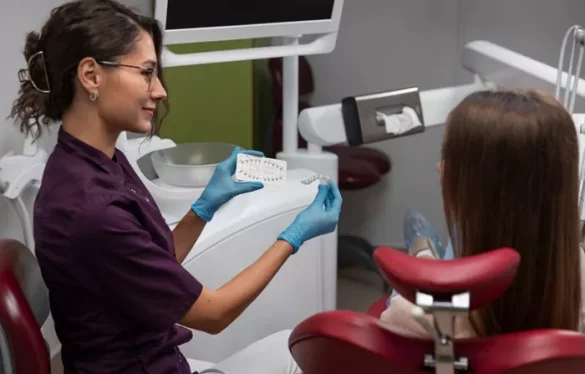
Medicaid is a state and federally funded program that provides healthcare coverage to low-income individuals and families. While it covers a broad range of medical services, dental coverage under Medicaid varies by state. One of the most frequently asked questions is whether Medicaid covers orthodontic treatment like braces. The short answer is yes—but only under specific conditions.
In most states, Medicaid will pay for braces if they are deemed medically necessary. This means the braces are not just for cosmetic improvements but for correcting serious dental health issues such as misaligned bites, jaw irregularities, or difficulties in chewing and speaking.
Who Qualifies for Medicaid Coverage for Braces?
Eligibility for Medicaid itself is based on income level, household size, and other factors like disability status or age. Children are more likely to qualify for Medicaid orthodontic benefits than adults. The Children’s Health Insurance Program (CHIP), often bundled with Medicaid, may also provide coverage for those under 21.
To determine if you or your child qualifies for orthodontic coverage, the case must meet the state’s criteria for medical necessity. Common qualifying conditions include:
- Severe overbite or underbite
- Open bite (teeth do not meet when mouth is closed)
- Cleft palate or other craniofacial abnormalities
- Tooth eruption problems that cause crowding
- Speech issues caused by misalignment
- Difficulty chewing due to jaw structure
Steps to Get Medicaid to Pay for Braces
1. Get a Dental Evaluation
The process begins with a dental or orthodontic evaluation. An orthodontist will assess whether the patient’s condition qualifies as medically necessary. This usually includes X-rays, photographs, and dental impressions. Gum disease and sensitive teeth should also be evaluated, as they can affect treatment planning.
2. Obtain a Referral
In many states, a referral from a general dentist or pediatrician is required to visit an orthodontist under Medicaid. This helps verify that the patient has already had routine dental care, such as cleanings and cavity treatment. Addressing issues like gum disease before getting braces is essential to ensure successful orthodontic treatment.
3. Submit Documentation for Approval
The orthodontist will compile a pre-authorization request that includes medical records, photographs, and a treatment plan. This documentation is submitted to the state’s Medicaid office for review. If the request meets the criteria for medical necessity, it will be approved, and Medicaid will cover part or all of the cost.
4. Wait for Prior Authorization
Approval can take a few weeks or longer. If denied, the patient has the right to appeal. The appeal should include additional documentation or expert opinions to support the medical necessity of the braces.
5. Start Treatment Once Approved
After receiving authorization, the patient can begin treatment. Medicaid typically covers the full cost of medically necessary braces for children, including follow-up visits and retainers. However, for adults, coverage is rare and usually limited to certain disabilities or post-traumatic dental conditions.
Braces for Adults on Medicaid
Medicaid’s orthodontic benefits are primarily geared toward children and teens. Adults may have fewer options unless they suffer from specific medical conditions that require braces, such as:
- Facial trauma resulting in dental misalignment
- Jaw misalignment causing chronic pain or speech issues
- Orthodontic treatment following surgical procedures
If you are an adult looking for braces, consider supplemental insurance, payment plans through orthodontic offices, or alternative treatments like clear aligners or partial braces if full coverage is not available.
How Gum Disease and Sensitive Teeth Affect Orthodontic Treatment
Before applying for Medicaid coverage for braces, it’s vital to address pre-existing dental health issues. Gum disease can compromise the success of orthodontic treatment by weakening the support around the teeth. Orthodontists will generally recommend treating periodontal disease before applying braces.
Sensitive teeth can also be a challenge during treatment. Braces apply pressure that can increase sensitivity. Using fluoride toothpaste and avoiding acidic foods can help manage this issue. Regular cleanings and checkups will reduce the risk of gum recession and further sensitivity.
State-by-State Differences in Medicaid Orthodontic Coverage
Medicaid is administered at the state level, meaning each state sets its own rules for what is considered medically necessary. For instance, some states like California, New York, and Texas have more comprehensive dental benefits, while others offer minimal orthodontic coverage. It’s important to check with your state’s Medicaid office or website to find out the exact requirements and coverage limitations.
Common Reasons Medicaid May Deny Braces
Even if you believe your or your child’s case qualifies, Medicaid may still deny the request. Common reasons for denial include:
- The condition is considered cosmetic rather than medical
- Documentation was incomplete or insufficient
- Failure to treat pre-existing conditions like gum disease
- No referral was provided
In the case of denial, it is your right to appeal. Work with your orthodontist to strengthen the case and submit a formal request for reconsideration.
Tips to Improve Your Approval Chances
- Maintain regular dental visits and cleanings
- Treat gum disease and cavities before applying
- Keep a dental journal with symptoms and issues
- Request letters of support from pediatricians or school nurses
- Follow up with Medicaid about the status of your application
Alternative Options if Medicaid Doesn’t Cover Braces
If Medicaid denies coverage or if you’re an adult ineligible for orthodontic benefits, consider these options:
- Community dental clinics with sliding scale fees
- Dental schools that offer low-cost treatment by supervised students
- Third-party financing or in-office payment plans
- Discount dental plans that include orthodontic services
Some non-profit programs also provide financial assistance for children who need braces but lack insurance coverage.
Conclusion
Securing Medicaid coverage for braces is possible but requires preparation, medical justification, and patience. Addressing oral health issues like gum disease and sensitive teeth before applying will strengthen your case. Stay informed, keep detailed records, and work closely with your dental provider to ensure your application has the best chance of approval. Although the process can seem complex, it’s worthwhile to ensure healthy, properly aligned teeth for the long term.