


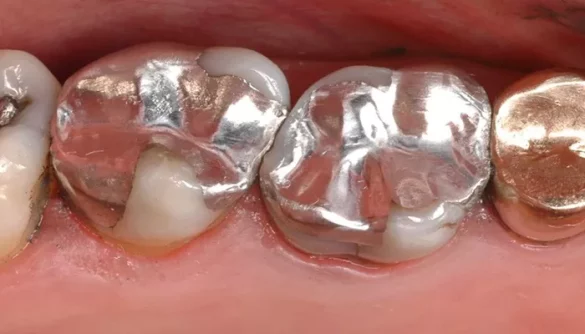
Dental crowns are a common solution to protect damaged teeth. Among them, silver crowns—also known as stainless steel crowns—are often used, especially for back teeth or temporary restorations. These crowns help restore tooth function and appearance. But a common question many patients ask is, how long do silver crowns stay on your teeth?
This article aims to explain the lifespan of silver crowns, the factors that influence their durability, and how dental conditions like gum disease and sensitive teeth may affect them. Understanding these points can help you take better care of your dental crowns and oral health.
What Are Silver Crowns?
Silver crowns are made from stainless steel, a strong and durable metal alloy. They are usually prefabricated and shaped by dentists to fit over the tooth. Silver crowns are widely used in pediatric dentistry due to their affordability and strength, especially for primary (baby) molars.
They provide excellent protection against tooth decay and breakage. However, they are also sometimes used as temporary crowns for adult teeth before a permanent crown is placed.
Differences Between Silver Crowns and Other Types
Compared to porcelain or ceramic crowns, silver crowns stand out for their durability and cost-effectiveness. However, they are less aesthetic due to their metallic color. Porcelain crowns last long but are more prone to chipping, while gold crowns offer similar longevity but are more expensive.
How Long Do Silver Crowns Typically Last?
The lifespan of silver crowns depends on many factors, including oral hygiene, the position of the crown, and the patient’s dental habits. Generally, silver crowns last between 5 to 15 years. In some cases, they may last longer, especially with good care.
Average Lifespan
For children: Silver crowns on primary teeth usually last until the baby tooth falls out naturally, which is about 5 to 7 years.
For adults: If used as temporary crowns, silver crowns may last 6 months to 2 years before replacement.
In rare cases, well-maintained silver crowns can last more than a decade.
Factors Affecting Silver Crown Longevity
Several key factors influence how long silver crowns remain functional:
Oral hygiene: Poor brushing and flossing can lead to plaque buildup, increasing the risk of decay around the crown edges.
Gum health: Gum disease can cause gums to recede, exposing the tooth root and weakening the crown’s hold.
Tooth sensitivity: Sensitive teeth may signal underlying problems, such as decay or nerve irritation under the crown.
Grinding or clenching: Habitual teeth grinding (bruxism) can wear down or crack crowns prematurely.
Diet: Acidic or sugary foods can erode the crown margins or harm surrounding teeth.
How Gum Disease Can Impact Silver Crowns
Gum disease, also called periodontal disease, is a bacterial infection that damages gum tissue and the bone supporting teeth. It is important to keep gum disease under control because it can reduce the lifespan of silver crowns.
If gums recede due to disease, the margin between the tooth and the crown can become exposed. This increases the chance of decay and crown loosening. Inflamed gums can also cause discomfort and sensitivity around crowned teeth.
Signs of Gum Disease Around Crowns
- Red, swollen, or bleeding gums
- Bad breath or bad taste in the mouth
- Gum recession exposing crown margins
- Tooth sensitivity or pain near the crown
Regular dental check-ups are critical to catch gum disease early and protect crowns from damage.
Silver Crowns and Sensitive Teeth
Many people experience tooth sensitivity after receiving crowns. This is usually due to the dental procedure itself or exposed dentin beneath the crown. Silver crowns can sometimes cause more sensitivity because metal conducts temperature changes easily.
Tooth sensitivity may present as sharp pain when eating hot, cold, sweet, or acidic foods. In most cases, sensitivity decreases over weeks after placement. If sensitivity persists, it may indicate underlying problems such as decay or crown looseness, and should be evaluated by a dentist.
Managing Sensitivity with Silver Crowns
- Use toothpaste for sensitive teeth
- Avoid very hot or cold foods initially
- Maintain excellent oral hygiene to prevent decay
- Consult your dentist if sensitivity worsens or lasts more than a few weeks
Signs Your Silver Crown Needs Replacement
Silver crowns are durable, but they don’t last forever. Here are common signs that your crown may need repair or replacement:
Looseness or movement: The crown feels loose or shifts when chewing.
Discomfort or pain: Persistent toothache or sensitivity under the crown.
Visible damage: Cracks, chips, or worn edges on the crown.
Gum issues: Swollen, bleeding, or receding gums around the crown.
Decay: Dark spots or cavities forming around the crown margin.
If you notice any of these signs, see your dentist promptly. Early intervention can prevent further damage and preserve your natural tooth.
How to Extend the Life of Silver Crowns
Proper care can help silver crowns last as long as possible. Follow these tips to protect your crowns and maintain overall dental health:
Maintain Good Oral Hygiene
Brush twice daily with fluoride toothpaste and floss gently around the crowned tooth to remove plaque. This prevents decay and gum disease that threaten crown stability.
Regular Dental Visits
Schedule check-ups and professional cleanings every six months. Dentists can detect early signs of crown or gum issues and offer timely treatment.
Protect Against Teeth Grinding
If you grind your teeth at night, ask your dentist about a custom night guard. This device shields your crowns and natural teeth from damage.
Watch Your Diet
Limit sugary, acidic, and very hard foods that can erode crowns or cause fractures. Drinking water after meals helps wash away food particles and acid.
Avoid Using Teeth as Tools
Do not use your teeth or crowns to open packages or bite hard objects like ice or pens. This can crack or dislodge crowns.
Temporary vs Permanent Silver Crowns
It’s important to note that silver crowns are often temporary solutions. In pediatric dentistry, they serve as full-coverage restorations for baby teeth until natural shedding occurs. In adults, stainless steel crowns may be placed temporarily during complex treatments.
Permanent crowns tend to be made from porcelain fused to metal, gold alloys, or ceramic for better aesthetics and durability. Therefore, if you have a silver crown as a temporary crown, it’s usually expected to be replaced within 1-2 years.
What to Expect When Your Silver Crown Is Replaced
When your dentist determines that your silver crown needs replacement, the process typically involves:
- Removing the old crown
- Checking and treating any decay or damage beneath
- Taking impressions to make a new crown
- Placing a temporary crown if needed
- Fitting the permanent crown once ready
The new crown may be made from more natural-looking materials depending on your preference and dental needs.
Conclusion
Silver crowns can last anywhere from 5 to 15 years depending on use, care, and oral health conditions like gum disease and tooth sensitivity. Maintaining good oral hygiene, managing gum health, and protecting your teeth from damage are key to maximizing the lifespan of your crown.
If you notice any discomfort, looseness, or changes around your silver crown, consult your dentist promptly. Early care can prevent further problems and keep your smile healthy for years to come.