


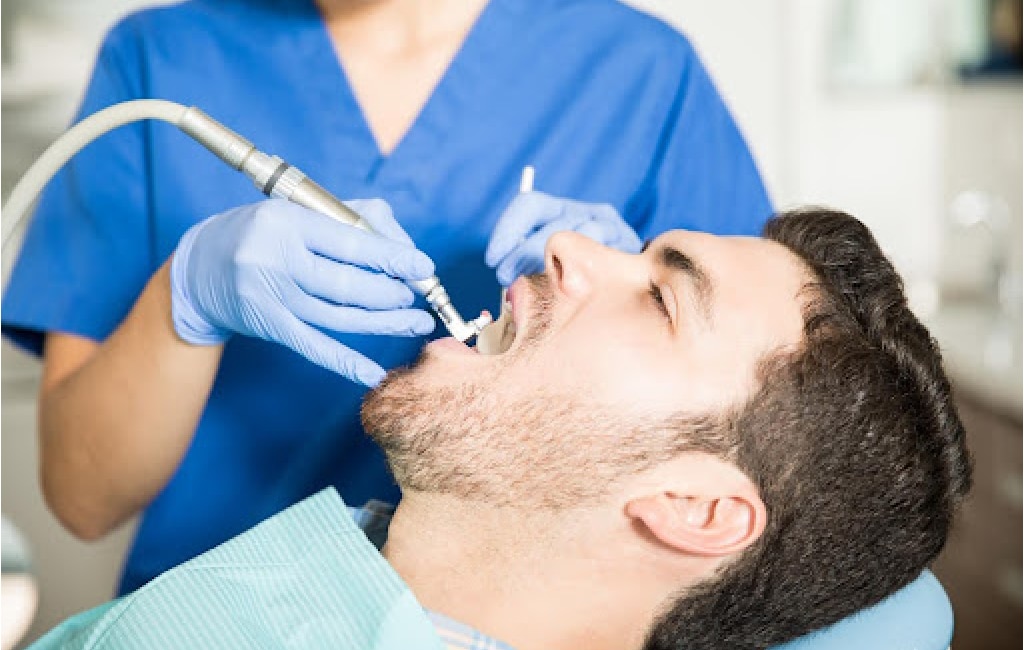
Your dentist just told you that you need a “deep cleaning,” and you’re wondering what that means. After all, isn’t every dental cleaning supposed to be thorough? The truth is, there’s a significant difference between a regular dental cleaning and a deep cleaning, and understanding this distinction could save your smile.
Regular dental cleanings are routine maintenance appointments designed to keep healthy teeth and gums in good condition. Deep cleanings, on the other hand, are medical treatments specifically designed to combat gum disease and restore oral health. While they may sound similar, these procedures serve very different purposes and involve different techniques, costs, and recovery periods.
This guide will break down everything you need to know about both types of cleanings, helping you understand when each is appropriate and what to expect from your dental visit.
What Is a Regular Dental Cleaning?
A regular dental cleaning, officially called prophylaxis, is the standard cleaning most people receive during their routine dental checkups every six months. This preventive procedure is designed for patients who have generally good oral health and don’t show signs of gum disease.
During a regular cleaning, your dental hygienist will remove plaque and tartar buildup from the surfaces of your teeth and slightly below the gum line. They’ll use specialized tools like scalers and polishing instruments to clean areas that are difficult to reach with regular brushing and flossing.
The entire process typically takes 30 to 60 minutes and doesn’t require any anesthesia since it focuses on the visible portions of your teeth and the shallow areas just beneath your gums. Most patients experience little to no discomfort during a routine cleaning, though those with sensitive teeth might feel some minor sensitivity.
Regular cleanings serve as your first line of defense against tooth decay and gum disease. They remove the bacterial buildup that can lead to more serious oral health problems if left untreated. Your hygienist will also polish your teeth, leaving them smooth and making it harder for plaque to accumulate before your next visit.
What Is a Deep Dental Cleaning?
Deep dental cleaning, medically known as scaling and root planing, is a therapeutic procedure designed to treat gum disease and remove extensive tartar buildup that has formed below the gum line. Unlike regular cleanings, deep cleanings are not routine maintenance but rather a necessary medical intervention.
This procedure involves two main components. Scaling removes tartar and bacteria from below the gum line, reaching into the pockets that have formed between your teeth and gums due to gum disease. Root planing smooths the tooth roots, making it more difficult for bacteria to reattach and allowing your gums to heal and reattach to your teeth.
Deep cleanings often require local anesthesia to ensure patient comfort, as the procedure involves working in areas that can be sensitive or painful. The treatment is frequently divided into quadrants, with each section of your mouth treated during separate appointments. This approach allows for more thorough cleaning while managing patient comfort and healing time.
The entire process can take several hours total, whether completed in one long session or split across multiple visits. Some patients may also receive antibiotic treatment to help combat infection and promote healing.
Key Differences Between Dental Cleaning and Deep Cleaning
Understanding the specific differences between these procedures can help you better prepare for your dental appointment and understand your treatment plan.
| Feature | Regular Dental Cleaning | Deep Dental Cleaning |
| Frequency | Every 6 months | As needed based on gum condition |
| Target Area | Above and slightly below gum line | Deep below gum line and root surfaces |
| Primary Purpose | Preventive maintenance | Treatment of gum disease |
| Tools/Technique | Standard scalers, polishing tools | Advanced scaling instruments, root planing |
| Anesthesia | Not required | Local anesthesia often needed |
| Duration | 30-60 minutes | 1-4 hours (often multiple sessions) |
| Cost | Lower, typically covered by insurance | Higher, may require medical justification |
| Recovery | Minimal to none | May involve sensitivity and healing period |
The most significant difference lies in the medical necessity and complexity of each procedure. Regular cleanings maintain good oral health, while deep cleanings restore compromised oral health.
When Do You Need a Deep Cleaning Instead of a Regular One?
Your dentist will determine whether you need a deep cleaning based on several clinical indicators discovered during your examination and periodontal assessment.
The primary signs that indicate a need for deep cleaning include gum pockets deeper than 4 millimeters, which your dentist measures using a special probe. Healthy gums typically have pockets of 1-3 millimeters, but gum disease causes these pockets to deepen as bacteria and inflammation separate the gums from the teeth.
Other warning signs include bleeding gums that occur during brushing, flossing, or dental examinations. While occasional minor bleeding might not be cause for alarm, consistent bleeding indicates inflammation and possible infection that requires treatment beyond regular cleaning.
X-rays may reveal bone loss around your teeth, which occurs in advanced stages of gum disease. Your dentist might also notice significant tartar buildup below the gum line that cannot be adequately addressed with a standard cleaning.
Persistent bad breath, loose teeth, or gums that appear red, swollen, or tender are additional indicators that deep cleaning may be necessary. These symptoms suggest that bacteria have established themselves in areas that regular cleaning cannot effectively reach.
It’s important to note that deep cleaning is never recommended unnecessarily. The procedure is more involved and expensive than regular cleaning, so dentists only suggest it when there’s clear clinical evidence of gum disease that requires this level of intervention.
Does Dental Insurance Cover Deep Cleanings?
Insurance coverage for deep cleanings differs significantly from coverage for regular cleanings, and understanding these differences can help you plan for the financial aspects of your treatment.
Regular dental cleanings are typically covered at 100% under most dental insurance plans because they’re classified as preventive care. Most plans cover two preventive cleanings per year without requiring you to meet your deductible first.
Deep cleanings fall under periodontal treatment rather than preventive care. Insurance companies usually require documentation of medical necessity, including evidence of gum disease through X-rays, periodontal measurements, and clinical notes from your dentist.
When covered, deep cleanings are often subject to your annual deductible and may be covered at 50-80% of the total cost. The specific insurance codes for these procedures are D1110 for regular prophylaxis and D4341/D4342 for deep cleaning (scaling and root planing).
Some insurance plans limit deep cleaning coverage to once every two to three years, recognizing that successful treatment shouldn’t require frequent repetition. However, maintenance cleanings following deep cleaning may be covered more frequently than standard cleanings.
Before scheduling your deep cleaning, contact your insurance provider to understand your specific coverage, any required pre-authorization, and your expected out-of-pocket costs.
Risks of Skipping Deep Cleaning When Recommended
When your dentist recommends deep cleaning, declining or delaying this treatment can lead to serious consequences for both your oral and overall health.
Gum disease is progressive, meaning it continues to worsen without proper treatment. What starts as gingivitis can advance to periodontitis, where the infection begins destroying the tissues and bone that support your teeth. This progression is often irreversible without professional intervention.
As gum disease advances, you may experience increased tooth mobility as the supporting structures weaken. Eventually, this can lead to tooth loss, requiring expensive replacement options like dental implants, bridges, or dentures.
The bacterial infection associated with untreated gum disease can also contribute to persistent bad breath and chronic inflammation in your mouth. This inflammation may impact your overall health, as research has linked severe gum disease to increased risks of heart disease, diabetes complications, and other systemic health issues.
Additionally, delaying necessary deep cleaning often means that future treatment will be more extensive, time-consuming, and expensive. Early intervention through deep cleaning can often halt the progression of gum disease and prevent the need for more invasive periodontal treatments.
Aftercare Tips for Deep Dental Cleaning
Proper aftercare following your deep cleaning is essential for healing and maximizing the benefits of your treatment.
Sensitivity is completely normal following deep cleaning, as your teeth and gums adjust after the removal of tartar buildup and the cleaning of root surfaces. This sensitivity typically subsides within a few days to a week.
Rinse gently with warm salt water several times daily to promote healing and reduce inflammation. Mix half a teaspoon of salt in a cup of warm water, swish gently, and spit out. Your dentist may also prescribe a medicated mouthwash to help control bacteria during the healing process.
Avoid hard, crunchy, or spicy foods for the first few days, as these can irritate tender gum tissues. Stick to softer foods and lukewarm beverages until any discomfort subsides.
Continue brushing and flossing, but be extra gentle around treated areas. Use a soft-bristled toothbrush and consider using toothpaste designed for sensitive teeth if you experience discomfort.
Follow-up appointments are often necessary to monitor your healing progress and ensure the treatment was successful. These appointments also allow your dentist to provide additional treatment if needed and to establish an appropriate maintenance schedule.
Making the Right Choice for Your Oral Health
The difference between regular dental cleaning and deep cleaning comes down to your current oral health status and specific treatment needs. Regular cleanings maintain healthy smiles, while deep cleanings restore compromised oral health and halt the progression of gum disease.
If your dentist recommends deep cleaning, trust their professional assessment. Early treatment of gum disease through deep cleaning is far preferable to dealing with the consequences of advanced periodontal disease later.
The best strategy is maintaining regular dental checkups and cleanings to prevent the need for deep cleaning in the first place. However, if deep cleaning becomes necessary, prompt treatment offers the best chance for restoring your oral health and preventing more serious complications.
Not sure which type of cleaning you need? Schedule a comprehensive dental evaluation today to assess your oral health and develop the right treatment plan for your smile.
Frequently Asked Questions
What’s the difference between dental cleaning and deep cleaning?
Regular dental cleaning removes plaque and tartar from above and slightly below the gum line for maintenance, while deep cleaning targets bacteria and tartar deep below the gum line to treat gum disease. Deep cleaning is a medical treatment, not routine maintenance.
How do I know if I need a deep dental cleaning?
Your dentist will measure gum pocket depths, check for bleeding gums, review X-rays for bone loss, and assess tartar buildup below the gum line. If you have gum pockets deeper than 4mm or signs of gum disease, deep cleaning may be recommended.
Is a deep dental cleaning painful?
Deep cleaning involves local anesthesia to minimize discomfort during the procedure. You may experience some sensitivity and soreness for a few days afterward, but this is normal and manageable with proper aftercare.
How long does deep dental cleaning take?
Deep cleaning can take 1-4 hours total, often split across multiple appointments to treat different quadrants of your mouth. Each quadrant typically takes 45-60 minutes to complete thoroughly.
Deep cleaning can take 1-4 hours total, often split across multiple appointments to treat different quadrants of your mouth. Each quadrant typically takes 45-60 minutes to complete thoroughly.
Can I go back to work after a deep cleaning?
Most people can return to work the same day, though you may experience some numbness from anesthesia and mild discomfort. Plan to take it easy and avoid hard foods for the first day or two while your gums heal.