


Are you skipping your dental visits? You could be risking more than just a toothache. Many people put off routine dental checkups, often due to busy schedules, dental anxiety, or the assumption that their teeth feel fine. However, regular dental visits are one of the most important investments you can make in your long-term oral and overall health.
Preventive dental care goes far beyond keeping your smile bright. It’s about catching problems early, preventing serious complications, and maintaining your overall well-being. Research shows that poor oral health is linked to heart disease, diabetes, and other serious conditions, making those six-month checkups more crucial than you might think.
This guide will walk you through everything you need to know about dental checkups—from what happens during your visit to how often you should schedule them. Whether you’re due for your next appointment or haven’t been to the dentist in years, understanding the importance of routine dental care can help you make informed decisions about your oral health.
What Are Dental Checkups?
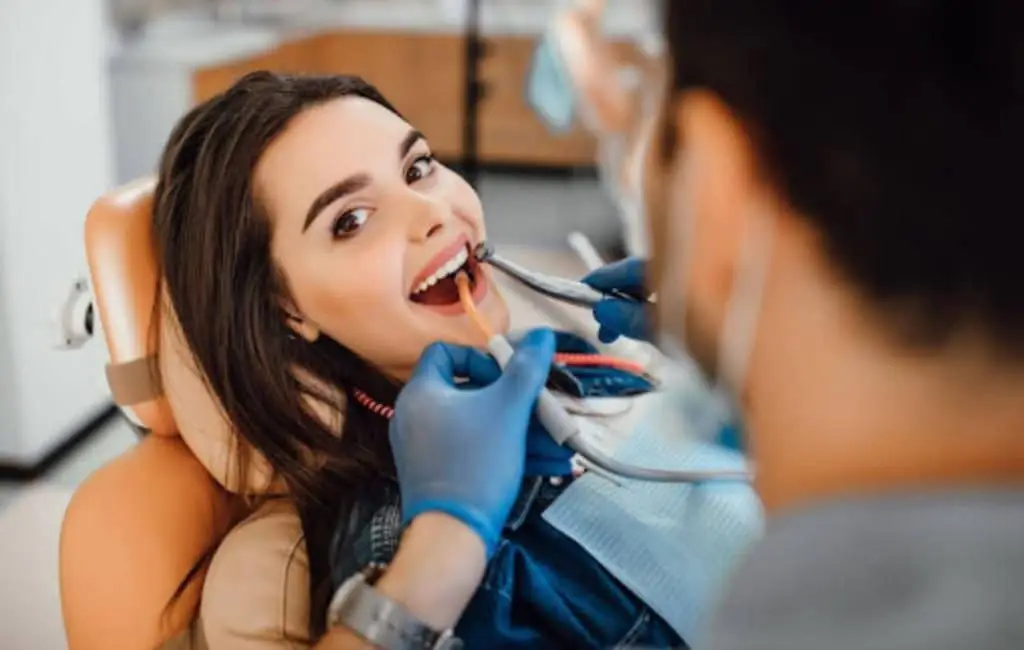
A dental checkup is a comprehensive evaluation of your oral health performed by a dentist or dental hygienist. These visits typically include several key components designed to assess, clean, and protect your teeth and gums.
During a standard checkup, your dental team will perform a thorough cleaning to remove plaque and tartar buildup that regular brushing and flossing can’t eliminate. They’ll also conduct a visual examination of your teeth, gums, tongue, and other oral tissues to check for signs of decay, gum disease, or other issues.
X-rays may be taken to reveal problems not visible during the visual exam, such as cavities between teeth, bone loss, or impacted teeth. Your dentist will also screen for oral cancer by examining your mouth, throat, and neck for any unusual lumps or abnormal tissue.
The checkup concludes with a discussion of your oral health status and any recommended treatments. Your dentist may provide personalized advice on brushing and flossing techniques, dietary recommendations, or lifestyle changes that could benefit your oral health.At Restore Dental Kansas City, our comprehensive checkups also include a review of your medical history and any medications that might affect your oral health. This holistic approach ensures we’re providing the most effective care possible.
Benefits of Routine Dental Checkups
Understanding what are the benefits of dental checkups can help motivate you to prioritize these important appointments. Regular visits offer numerous advantages that extend far beyond a clean, bright smile.
Early Detection of Problems
The most significant benefit is catching issues before they become serious. Cavities in their early stages can be treated with simple fillings, but if left untreated, they may require root canals or extractions. Similarly, early-stage gum disease can be reversed with proper care, while advanced periodontal disease may require surgical intervention.
Professional Plaque and Tartar Removal
Even with excellent home care, plaque can harden into tartar in areas that are difficult to reach with regular brushing and flossing. Only professional cleaning tools can effectively remove tartar, preventing it from causing tooth decay and gum disease.
Oral Cancer Screening
Your dentist is often the first line of defense against oral cancer. Regular screenings can detect suspicious changes in your mouth early, when treatment is most effective. Oral cancer affects thousands of people each year, making this screening invaluable.
Prevention of Costly Treatments
Preventive care is significantly less expensive than restorative treatments. A simple cleaning costs far less than a root canal, crown, or periodontal surgery. Regular checkups can save you thousands of dollars in dental expenses over time.
Fresher Breath and Improved Appearance
Professional cleanings remove bacteria and food particles that cause bad breath. They also help maintain the natural whiteness of your teeth by removing surface stains from coffee, tea, and other foods.
Overall Health Benefits
Good oral health is linked to better overall health. Regular dental care may help reduce your risk of heart disease, stroke, and diabetes complications. Pregnant women who maintain good oral health also have lower risks of pregnancy complications.
How Often Should You Get Dental Checkups?
The standard recommendation is to visit your dentist every six months for routine checkups and cleanings. This frequency allows your dental team to monitor your oral health consistently and catch any developing issues early.
However, how often should you get dental checkups depends on your individual risk factors and oral health status. Some patients may need more frequent visits, while others with excellent oral health might be able to extend the interval slightly.
Factors That May Require More Frequent Visits:
- History of gum disease or frequent cavities
- Diabetes or other systemic conditions
- Smoking or tobacco use
- Pregnancy
- Compromised immune system
- Orthodontic treatment
- Family history of oral health problems
Factors That May Allow Less Frequent Visits:
- Excellent oral hygiene habits
- No history of dental problems
- Low risk of cavities or gum disease
- Good overall health
Your dentist will evaluate your specific situation and recommend an appropriate schedule. Some patients may need checkups every three to four months, while others might be able to extend visits to eight or nine months.
Children should also follow the six-month rule, with their first dental visit occurring by age one or within six months of their first tooth appearing. Early dental visits help establish good oral health habits and allow the dentist to monitor proper tooth development.
Why Regular Dental Checkups Are More Than Just Cleanings
While professional cleanings are an important part of dental checkups, these visits encompass much more than removing plaque and tartar. Regular dental checkups serve as comprehensive health assessments that can reveal hidden problems throughout your mouth and even your body.
Hidden Problem Detection
Many dental issues develop without obvious symptoms. Small cavities, early gum disease, and even oral cancer can progress significantly before causing pain or visible changes. X-rays taken during checkups can reveal problems between teeth, under fillings, or in the jawbone that would otherwise go undetected.
Bite and Jaw Analysis
Your dentist evaluates how your teeth come together when you bite and chew. Problems with your bite can lead to tooth wear, jaw pain, headaches, and even neck pain. Early detection allows for treatment before these issues become severe.
Systemic Health Monitoring
Your mouth can reveal signs of systemic health problems. Diabetes, heart disease, osteoporosis, and other conditions often show early signs in your oral tissues. Regular checkups help identify these warning signs early.
Medication Effects Assessment
Many medications can affect your oral health by reducing saliva production, causing gum overgrowth, or increasing bleeding. Your dentist can help you manage these side effects and adjust your oral care routine accordingly.
Habit and Lifestyle Counseling
Your dental team can identify signs of harmful habits like teeth grinding, nail biting, or using teeth as tools. They can also provide guidance on nutrition, tobacco cessation, and other lifestyle factors that affect your oral health.
Why Choose Restore Dental KC for Your Checkups in Leawood
When seeking dental checkups in Leawood, choosing the right dental practice makes all the difference in your experience and outcomes. Restore Dental KC combines advanced technology with personalized, compassionate care to ensure you receive the best possible treatment.
State-of-the-Art Technology
Our practice utilizes the latest dental technology, including digital X-rays that reduce radiation exposure and provide clearer images. We also use advanced diagnostic tools to detect problems early and treatment planning software to show you exactly what your treatment will accomplish.
Experienced and Caring Team
Our dental professionals bring years of experience and ongoing education to every patient interaction. We understand that dental visits can cause anxiety, so we focus on creating a comfortable, welcoming environment where you feel at ease.
Comprehensive Care
Beyond routine checkups, we offer a full range of dental services, from preventive care to advanced restorative treatments. This means you can receive all your dental care in one convenient location, building a long-term relationship with providers who know your oral health history.
Convenient Scheduling
We understand that busy schedules can make it challenging to prioritize dental care. Our flexible scheduling options and efficient appointment systems help make it easier to maintain regular checkups.
Insurance and Payment Options
We work with most dental insurance plans and offer flexible payment options to make dental care accessible. Our team can help you understand your benefits and plan for any recommended treatments.
Frequently Asked Questions
1. How long does a checkup take?
A typical dental checkup takes 45 minutes to an hour. This includes time for cleaning, examination, X-rays if needed, and discussion of your oral health status. If you have complex issues or haven’t been to the dentist in a while, your appointment may take longer.
2. Does insurance cover checkups?
Most dental insurance plans cover routine checkups and cleanings at 100%, typically allowing for two visits per year. However, coverage can vary, so it’s important to check with your insurance provider about your specific benefits.
3. Do dental checkups include x-rays every time?
X-rays aren’t necessary at every checkup. Most patients need bitewing X-rays once a year and a full set of X-rays every three to five years. Your dentist will recommend X-rays based on your individual risk factors and oral health status.
4. Can children get routine dental checkups too?
Absolutely! Children should start having regular dental checkups by age one or within six months of their first tooth appearing. Pediatric checkups help establish good oral health habits, monitor proper tooth development, and prevent early childhood cavities.
5. What happens if I skip dental checkups for a year or more?
Skipping checkups allows problems to develop and worsen without detection. You may need more extensive treatment when you finally return, and your cleaning may take longer due to increased plaque and tartar buildup. However, it’s never too late to restart regular care—your dentist can help you get back on track.