


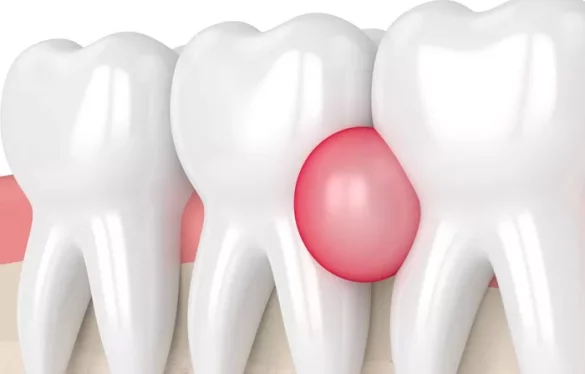
An abscess on the gums is a painful dental condition caused by an infection. It occurs when bacteria accumulate and form a pocket of pus in the gum tissue. This can happen due to gum disease, tooth decay, or injury. Knowing what to do when you have an abscess on your gums is important to prevent serious complications such as tooth loss or the spread of infection.
What Is a Gum Abscess?
A gum abscess is a localized infection that causes swelling, redness, and pain in the gums. It often appears as a swollen bump filled with pus. Gum abscesses can develop quickly and cause severe discomfort. They usually occur due to bacteria invading the soft tissue through gum disease or injury.
Types of Gum Abscesses
There are two main types of gum abscesses:
- Gingival Abscess: Infection limited to the gum tissue without affecting the tooth or supporting structures.
- Periodontal Abscess: Infection affects deeper gum tissue and the bone that supports the tooth.
Common Causes of Gum Abscesses
Understanding the causes of gum abscesses can help in prevention and treatment:
Gum Disease (Periodontitis): This is a major cause. When gum disease progresses, pockets form between teeth and gums, trapping bacteria and leading to infection.
Tooth Decay: Deep cavities can allow bacteria to reach the root and surrounding gum tissue, causing an abscess.
Trauma or Injury: Damage to gums from foreign objects, aggressive brushing, or dental procedures can introduce bacteria.
Food Particles Stuck Between Teeth: These can irritate gums and lead to infection if not removed.
Weakened Immune System: Conditions like diabetes can make infections more likely and harder to fight.
Symptoms of a Gum Abscess
Recognizing the signs early is key to timely treatment. Symptoms include:
- Severe, throbbing gum pain that may radiate to the jaw, neck, or ear.
- Swelling and redness around the affected gum area.
- A visible bump or pus-filled swelling on the gum.
- Sensitivity to hot, cold, or pressure on the affected tooth or gum.
- Bad taste in the mouth or foul odor due to pus drainage.
- Fever and general feeling of illness in severe cases.
- Difficulty chewing or opening the mouth.
Immediate Steps to Take for a Gum Abscess
If you suspect you have a gum abscess, acting quickly is important to reduce pain and prevent the infection from spreading.
1. Rinse Your Mouth with Warm Saltwater
Mix half a teaspoon of salt in a glass of warm water. Rinse your mouth gently several times a day. Saltwater helps reduce bacteria and soothe inflamed gums.
2. Use Over-the-Counter Pain Relief
Non-prescription painkillers like ibuprofen or acetaminophen can help ease the pain and reduce inflammation. Follow the instructions on the package.
3. Apply a Cold Compress
Place a cold pack or ice wrapped in a cloth on the outside of your cheek near the abscess to reduce swelling and numb pain. Apply for 15-20 minutes at a time.
4. Avoid Irritating the Area
Do not poke or squeeze the abscess, as this may spread infection. Avoid eating very hot, cold, or sugary foods that can worsen sensitivity.
5. Maintain Good Oral Hygiene
Continue gentle brushing and flossing to remove plaque and food debris, but be careful not to aggravate the abscessed area.
When to See a Dentist Immediately
While home care can provide temporary relief, professional dental treatment is necessary to fully resolve an abscess.
- Severe pain that does not improve with painkillers.
- Swelling spreading to the face or neck.
- Difficulty swallowing or breathing.
- Fever higher than 101°F (38.3°C).
- Pus drainage that continues or worsens.
- Abscess that does not improve after 1-2 days of home care.
Professional Dental Treatments for Gum Abscesses
Dentists have several ways to treat gum abscesses depending on their severity and cause.
1. Draining the Abscess
Draining pus is the first step to relieve pressure and pain. The dentist will make a small incision to allow pus to escape. This procedure helps clear the infection.
2. Deep Cleaning (Scaling and Root Planing)
This treatment removes plaque and tartar buildup under the gum line. It helps eliminate bacteria that cause gum disease and prevent abscess recurrence.
3. Antibiotic Therapy
Antibiotics may be prescribed to control infection, especially if it has spread beyond the abscess site or if the patient has a weakened immune system.
4. Treating the Underlying Cause
If tooth decay or damage caused the abscess, root canal treatment or tooth extraction might be necessary to remove the source of infection.
5. Gum Surgery
In severe cases, surgical procedures may be needed to remove infected tissue and repair gum damage caused by the abscess or gum disease.
Preventing Gum Abscesses
Prevention is always better than treatment. Good oral hygiene and regular dental visits reduce the risk of abscess formation.
1. Brush and Floss Daily
Use a soft-bristled toothbrush and fluoride toothpaste to brush twice daily. Floss once a day to remove plaque and food particles between teeth.
2. Use Antibacterial Mouthwash
Rinsing with an antibacterial mouthwash can reduce harmful bacteria and help prevent gum disease and infections.
3. Regular Dental Check-ups
Visit your dentist every six months for cleaning and examination. Early detection of gum disease or tooth decay prevents abscess development.
4. Avoid Tobacco Products
Smoking and chewing tobacco increase the risk of gum disease and delay healing, making abscesses more likely.
5. Maintain a Healthy Diet
Limit sugary foods and drinks that promote bacterial growth. Eat a balanced diet rich in vitamins and minerals to support gum health.
Understanding the Link Between Gum Disease and Abscesses
Gum disease, also known as periodontal disease, is a major risk factor for abscesses. Gingivitis, the early stage of gum disease, causes inflammation and bleeding. If untreated, it can progress to periodontitis, damaging the supporting structures of the teeth. Pockets form that trap bacteria and lead to abscess formation.
Treating gum disease promptly helps reduce the chance of abscesses. Signs of gum disease include red, swollen, or bleeding gums and sensitive teeth. If you notice these, consult your dentist.
Managing Sensitive Teeth with Gum Abscesses
An abscess often causes increased tooth sensitivity. The infection inflames the gums and can expose tooth roots. This leads to pain with hot, cold, sweet, or acidic stimuli.
To manage sensitivity while treating the abscess:
- Use a toothpaste formulated for sensitive teeth.
- Avoid extreme temperature foods and drinks.
- Use a soft toothbrush and gentle brushing technique.
- Follow your dentist’s recommendations for desensitizing treatments.
Complications of Untreated Gum Abscesses
Ignoring a gum abscess can cause serious health problems:
Spread of Infection: Bacteria can spread to nearby teeth, jawbone, or even other parts of the body.
Tooth Loss: Severe infection can damage the supporting bone, leading to loose teeth or tooth loss.
Systemic Infection: Rarely, the infection can enter the bloodstream and cause life-threatening conditions like sepsis.
Chronic Pain and Swelling: Persistent discomfort can affect daily activities like eating and speaking.
Home Remedies to Support Treatment (Not a Substitute for Dental Care)
While professional treatment is essential, some home remedies can help support healing and ease symptoms:
Warm Compress: Applying a warm compress can improve blood flow and reduce discomfort.
Hydration: Drink plenty of water to help flush out bacteria and keep tissues healthy.
Avoid Irritants: Stay away from alcohol, tobacco, and spicy foods that may worsen gum irritation.
Maintain Oral Hygiene: Continue to brush gently and floss carefully around the affected area.
Note: Home remedies do not replace professional care and should only be used as supportive measures.
Conclusion
An abscess on your gums is a sign of infection that needs prompt attention. While home care like saltwater rinses and pain relief can provide temporary comfort, visiting a dentist is crucial to properly treat the abscess and address its cause. Untreated abscesses can lead to serious complications including tooth loss and systemic infection.
Good oral hygiene, regular dental check-ups, and early treatment of gum disease or tooth decay are the best ways to prevent gum abscesses. If you experience gum pain, swelling, or sensitivity, do not delay seeking professional advice. Proper care can restore your oral health and prevent further problems.