


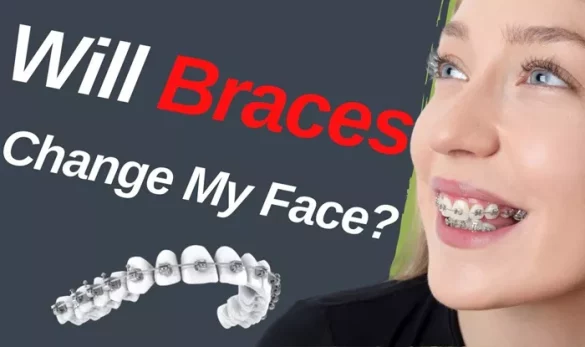
When people think of braces, they often imagine straighter teeth and a perfect smile. However, braces do more than just align teeth — they can reshape your entire face. This article will explore how orthodontic treatment with braces influences facial aesthetics, jaw structure, and overall dental health. We’ll also discuss the indirect effects on conditions like gum disease and sensitive teeth.
Understanding the Basics of Braces
Braces are orthodontic devices designed to correct misaligned teeth and jaw structures. They apply continuous pressure on teeth over a period of time, slowly moving them into the desired position. Braces are commonly used to treat overbites, underbites, crossbites, crowding, and gaps between teeth.
Types of Braces
- Traditional metal braces
- Ceramic braces
- Lingual braces (behind the teeth)
- Clear aligners (like Invisalign)
Each type of braces works differently and may impact facial aesthetics in various ways.
Do Braces Reshape Your Face?
The connection between braces and facial reshaping is primarily structural. The facial changes result from the correction of the bite and alignment of the jaws and teeth. These changes are more noticeable in younger patients because their bones are still developing. However, adults can also experience facial reshaping through orthodontic treatment.
Jaw Alignment and Facial Symmetry
One of the primary goals of braces is to correct jaw alignment. When the jaw is properly aligned, the face becomes more symmetrical. This improvement in symmetry often leads to a more aesthetically pleasing appearance. Misalignments like overbite, underbite, and crossbite can distort facial balance. Correcting these can make the lower face look more proportional.
Profile Changes from Braces
Braces can significantly impact the side profile of the face. For example:
- In an overbite, the upper lip might protrude.
- In an underbite, the chin might look too prominent.
Braces correct these bite issues, resulting in a more harmonious profile. The position of the upper and lower jaws influences how the lips and chin appear from the side.
Changes in Cheekbones and Jawline Definition
As braces shift the teeth and jaws, they can affect the underlying bone structure and soft tissues. This can lead to:
- More prominent cheekbones
- A more defined jawline
The results are often subtle but contribute to an overall improvement in facial appearance.
Facial Reshaping: Children vs. Adults
The age at which orthodontic treatment begins plays a significant role in how much the face changes.
Facial Changes in Children
Children’s bones are still developing, making it easier for braces to influence facial growth. Early orthodontic intervention can:
- Guide jaw development
- Correct facial asymmetries
- Prevent more invasive treatments later in life
Because of the ongoing bone growth, the effects on facial structure can be more pronounced and permanent.
Facial Changes in Adults
Adults can also experience facial changes with braces, although these are usually more limited. In some cases, additional treatments such as jaw surgery may be recommended for significant structural changes. Still, adults benefit from improvements in symmetry, bite, and jaw definition.
Specific Areas of the Face Affected by Braces
The Lips
Braces affect the position of the teeth, which in turn can impact how the lips sit. For example, if the front teeth are pushed inward, the lips may appear less prominent. If spacing is corrected, the lips may rest more naturally.
The Chin
Correcting an overbite or underbite influences the appearance of the chin. With proper jaw alignment, the chin may look more balanced in relation to the rest of the face.
The Nose
While braces do not directly change the nose, the perceived shape of the nose can appear different due to changes in facial structure. For example, as the upper jaw moves back or forward, the nose may seem more or less prominent.
The Relationship Between Braces and Dental Health
Preventing Gum Disease
Misaligned teeth can create spaces that are hard to clean. These spaces trap food particles and plaque, increasing the risk of gum disease. Braces align the teeth, making it easier to brush and floss. This reduces the chances of inflammation and infection in the gums.
Addressing Sensitive Teeth
Teeth that are crowded or misaligned may wear unevenly, exposing the dentin layer beneath the enamel. This can lead to sensitive teeth. Braces improve the alignment and distribute biting forces evenly, helping reduce sensitivity over time.
Improving Bite Function
Correcting bite issues with braces enhances how the teeth meet during chewing and speaking. This improvement lowers the risk of jaw pain, headaches, and excessive wear on certain teeth.
Psychological Benefits of Braces
Improved Self-Esteem
A better-aligned smile can significantly boost confidence. When facial symmetry and dental alignment improve, individuals often feel better about their appearance. This change can positively affect personal and professional interactions.
Better Facial Expression
Facial expressions become more relaxed and natural when the jaw and teeth are in proper alignment. This subtle change can influence how others perceive the person, often resulting in more positive social experiences.
How Long Do the Changes Last?
The facial changes achieved through braces are generally long-lasting, especially when retainers are worn as prescribed after the braces are removed. Retainers help maintain both the teeth and jaw positions, preserving the facial balance obtained during treatment.
Common Misconceptions About Braces and Facial Changes
“Braces Will Make My Face Look Worse”
Some people worry that braces might lead to undesirable facial changes. In reality, when treatment is guided by a qualified orthodontist, the changes enhance facial harmony and function.
“Braces Are Only for Cosmetic Reasons”
Braces are not just for aesthetic purposes. They also improve oral health, prevent long-term complications, and enhance overall facial structure. Properly aligned teeth are easier to clean and less prone to decay and gum disease.
“Braces Only Change Teeth, Not the Face”
This is a common myth. By changing the position of the teeth and jaws, braces influence the entire lower third of the face. This includes the lips, chin, and jawline.
Before and After: A Look at Realistic Expectations
Photographs taken before and after orthodontic treatment often show significant changes in facial aesthetics. While results vary from person to person, some common improvements include:
- Balanced jawline
- Straighter nose profile (perception)
- Symmetrical lips and cheekbones
When to Consult an Orthodontist
If you are concerned about facial asymmetry, bite issues, or chronic dental problems such as gum disease or sensitive teeth, it may be time to consult an orthodontist. Early evaluation, even in children as young as 7, can detect problems before they become severe. Adults should also consider orthodontic evaluation, as many issues can still be corrected later in life.
Conclusion
Braces do more than straighten teeth — they play a vital role in reshaping the face, improving dental function, and supporting oral health. From enhanced jaw alignment to better lip and chin symmetry, the results of orthodontic treatment go beyond aesthetics. By addressing conditions like gum disease and sensitive teeth, braces contribute to overall dental wellness. If you’re considering orthodontic care, understand that the benefits are not just in your smile — they’re in your face too.