


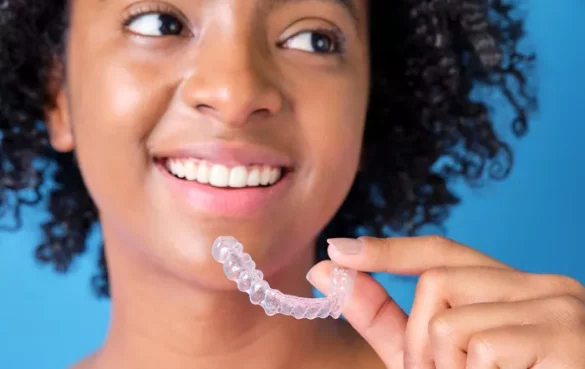
Invisalign is a popular orthodontic solution that uses clear aligners to shift teeth gradually into their correct positions. It is a preferred choice for patients looking to fix minor to moderate dental misalignments discreetly. When it comes to moving a single tooth, the treatment duration may be significantly shorter than full-mouth correction, but it depends on various individual factors.
Factors That Influence Invisalign Duration for One Tooth
1. Severity of Misalignment
The greater the misalignment of the tooth, the longer it may take for Invisalign to work. Minor rotations or slight spacing may take a few months, while more significant shifts may take closer to a year.
2. Tooth Position
The location of the tooth in question plays a role. Front teeth (incisors and canines) are generally easier to move and respond faster to aligner pressure. Molars or teeth with complex root structures can take longer.
3. Patient Compliance
Invisalign aligners must be worn for at least 20–22 hours per day to be effective. Not wearing aligners as recommended can extend the treatment period. Consistency is key to successful outcomes.
4. Age and Bone Density
Younger patients tend to experience quicker tooth movement due to more pliable bone structures. Adults may see slower progress due to increased bone density and slower metabolic processes.
5. Presence of Dental Conditions
If the patient has pre-existing dental issues like gum disease, tooth decay, or sensitive teeth, treatment may need to be delayed or approached with caution. These conditions may also affect how fast or predictably the tooth moves.
Typical Duration: One Tooth Invisalign Timeline
1. Mild Misalignment
If the tooth requires a small adjustment (such as a slight rotation or spacing fix), Invisalign may take as little as 3 to 6 months to show noticeable results.
2. Moderate Adjustment
For a tooth that is moderately misaligned or slightly rotated, the treatment may take 6 to 9 months, depending on how well the tooth responds to aligner pressure.
3. Complex Shifts
If the tooth requires significant movement, particularly if it is a molar or rotated more than 20 degrees, Invisalign could take 9 to 12 months or longer.
The Process: From Consultation to Completion
1. Initial Consultation
Your dentist or orthodontist will evaluate your case, take digital scans or impressions, and create a custom Invisalign plan using 3D imaging. This plan will estimate how long the treatment will take.
2. Aligner Fabrication
Once approved, a series of aligners is fabricated. Each aligner will make slight adjustments to the position of the tooth.
3. Aligner Wear Schedule
Typically, a new aligner is worn every 1–2 weeks. Aligners must be worn for 20–22 hours a day and only removed during meals or brushing.
4. Progress Monitoring
Your dental provider will schedule check-ups every 6–8 weeks to monitor progress and make any necessary adjustments. Mid-course corrections may be needed.
5. Retainers After Treatment
After completing Invisalign treatment, retainers are needed to maintain the new tooth position. Retainer wear is crucial to prevent the tooth from shifting back, especially for single-tooth corrections.
Advantages of Invisalign for One Tooth
- Discreet appearance with clear aligners
- Custom-fit for comfort
- Removable for easy oral hygiene
- No dietary restrictions
- Less irritation compared to metal braces
Comparing Invisalign with Other Options
1. Traditional Braces
Traditional metal braces are effective for complex cases, but they are more visible and less comfortable. For single-tooth movement, they may be unnecessary and overbearing.
2. Veneers
Veneers can provide immediate cosmetic improvement for a crooked tooth but do not solve underlying alignment issues. They also involve removing enamel and can worsen sensitive teeth.
3. Bonding
Dental bonding reshapes a crooked tooth using composite resin. It is fast but only cosmetic and not suitable for functional alignment corrections.
When Invisalign May Not Be Suitable
Invisalign may not be ideal in the following cases:
- Severe crowding or misalignment requiring multi-tooth correction
- Patients with advanced gum disease or bone loss
- Unwillingness to comply with 22-hour daily wear
Cost Consideration for One-Tooth Invisalign
Since only one tooth is involved, the cost is typically lower than full-mouth Invisalign. Costs range between $1,500 to $3,000, depending on location, treatment length, and provider experience.
Tips to Speed Up Invisalign for One Tooth
1. Wear Aligners Consistently
Do not skip hours. Only remove for eating, drinking, and cleaning.
2. Use Chewies
These small soft chewable tools help seat aligners properly and improve tooth movement efficiency.
3. Practice Good Oral Hygiene
Maintain clean teeth and gums to avoid treatment delays caused by gum disease or decay. Use fluoride toothpaste and gentle brushes for sensitive teeth.
4. Attend Appointments
Follow up with your provider regularly to catch issues early and stay on track.
Addressing Sensitive Teeth During Invisalign
Many Invisalign users experience temporary sensitive teeth. This usually happens during the first few days of a new aligner set. Using desensitizing toothpaste and avoiding extreme temperature foods can help.
Maintaining Oral Health During Treatment
1. Brushing and Flossing
Brush twice a day and floss once daily. Clean aligners regularly with lukewarm water to prevent plaque buildup.
2. Avoid Sugary Foods
Sugar can lead to decay, especially when aligners trap food particles. Limit soda, candy, and starchy snacks.
3. Regular Dental Cleanings
Visit your dentist every six months. Patients with a history of gum disease may need more frequent cleanings.
What to Expect After Invisalign for One Tooth
1. Retainer Phase
Expect to wear a retainer for several months or even years. Retainers maintain the new position and prevent relapse.
2. Follow-Up Visits
Your dentist will monitor your alignment and gum health. Any concerns about sensitive teeth or relapse should be addressed immediately.
Conclusion
Correcting just one tooth with Invisalign may seem minor, but it can dramatically improve your smile, bite, and oral health.
The duration varies depending on misalignment severity, tooth position, and personal discipline. On average, expect 3 to 12 months. Maintaining healthy gums, managing sensitive teeth, and wearing aligners consistently will optimize your results. For many, Invisalign offers a precise and discreet solution for even the smallest smile imperfection.