


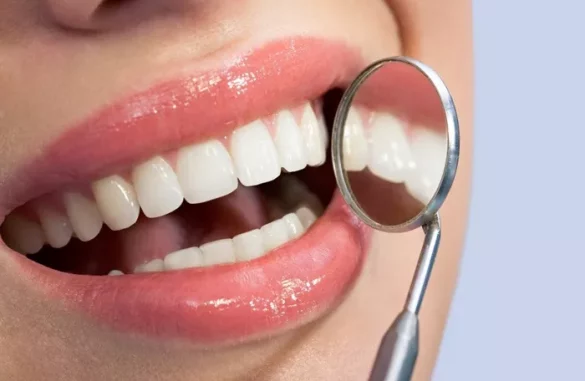
Opalescence is a popular professional teeth whitening product used by many dental care providers worldwide. It is known for its effective bleaching agents and its ability to brighten teeth safely. Understanding how often you can whiten your teeth with Opalescence is essential for maintaining a bright smile while protecting your oral health.
What Is Opalescence?
Opalescence is a brand of teeth whitening gel that contains carbamide peroxide or hydrogen peroxide as its active ingredient. These agents penetrate the tooth enamel to break down stains caused by food, drinks, smoking, and aging. Opalescence gels come in different strengths, ranging from mild to strong, allowing dentists and patients to customize treatment based on sensitivity and desired results.
Types of Opalescence Whitening Products
There are various Opalescence products, including:
- Opalescence PF (with potassium nitrate and fluoride for sensitivity reduction)
- Opalescence Boost (an in-office whitening gel with higher peroxide concentration)
- Opalescence Go (pre-filled whitening trays for at-home use)
How Often Can You Use Opalescence to Whiten Your Teeth?
The frequency of whitening with Opalescence depends on the product type, the concentration of peroxide, your dental health, and the presence of any conditions such as gum disease or sensitive teeth. Overusing whitening products can cause enamel damage and increase tooth sensitivity, so it’s vital to follow guidelines.
General Guidelines for At-Home Whitening
For at-home whitening products like Opalescence PF or Opalescence Go, it is generally recommended to use the gel daily for 7 to 14 consecutive days. Each daily session usually lasts between 30 minutes to 8 hours depending on the gel strength and tray type. After completing one cycle, a resting period of several months is advised before repeating treatment.
In-Office Whitening Frequency
Opalescence Boost, which is used in dental clinics, is typically applied in one or two sessions spaced 1 to 2 weeks apart. Dentists monitor your oral health during the process to avoid complications. Due to the high peroxide concentration, frequent in-office treatments are not recommended.
Recommended Whitening Intervals
Many dental professionals suggest waiting at least 6 months to 1 year between whitening treatments, especially if you experience sensitive teeth or gum irritation. This interval helps protect your enamel and prevent gum disease flare-ups caused by bleaching agents.
Factors Influencing Whitening Frequency
Tooth Sensitivity
Sensitive teeth are common after whitening. Opalescence products often contain desensitizing agents, but if sensitivity persists, it is best to extend the time between treatments or choose lower concentrations. Avoid whitening more than twice a year if you have a history of sensitive teeth.
Gum Disease and Oral Health
Patients with active gum disease should avoid whitening until the condition is treated. Whitening gels can irritate inflamed gums, worsening symptoms. Always consult your dentist before starting any whitening treatment if you have gum disease or other oral health issues.
Enamel Condition
Healthy enamel is necessary for safe whitening. Overuse of bleaching agents can erode enamel, leading to increased tooth sensitivity and risk of decay. Regular dental check-ups help ensure your enamel remains strong enough for whitening procedures.
Tips for Safe Whitening with Opalescence
Consult Your Dentist: Before starting whitening, have a dental exam to check for cavities, gum disease, or enamel wear.
Follow Instructions: Use the gel exactly as directed by your dentist or product guidelines.
Use Desensitizing Products: Opalescence gels often contain fluoride and potassium nitrate to reduce sensitivity. Use these as recommended.
Avoid Overuse: Do not exceed recommended treatment cycles or application times.
Maintain Oral Hygiene: Brush and floss regularly to prevent stains from reforming and to keep gums healthy.
Potential Side Effects of Whitening
While Opalescence is generally safe, some users may experience:
- Temporary tooth sensitivity
- Gum irritation or redness
- Uneven whitening if teeth have restorations like crowns or fillings
If these side effects persist or worsen, stop whitening and see your dentist.
How to Maintain Whitening Results
Whitening results from Opalescence can last from several months to a year, depending on lifestyle and oral care habits. To prolong your bright smile:
- Avoid staining foods and drinks such as coffee, tea, red wine, and tobacco.
- Use a straw when drinking staining beverages.
- Maintain good oral hygiene to reduce plaque and surface stains.
- Schedule regular dental cleanings.
- Use touch-up whitening trays or gels as recommended, usually no more than twice per year.
Conclusion
Opalescence is an effective teeth whitening system when used responsibly. The frequency of whitening should be carefully managed to prevent damage to teeth and gums. Typically, whitening cycles should be limited to once or twice a year, with at least 6 months between treatments. If you have sensitive teeth or gum disease, it is crucial to consult your dentist and follow professional guidance. By adhering to these recommendations, you can safely enjoy a brighter, healthier smile.