


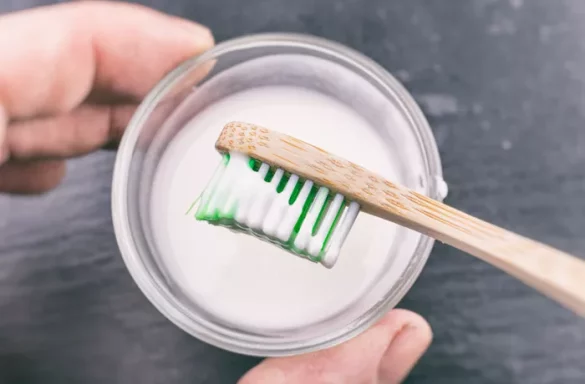
Oral hygiene is essential for maintaining healthy teeth and gums. Most people stick to toothpaste and a toothbrush, but some may consider unconventional methods for teeth whitening. One such dangerous method is using household bleach. Although bleach is a powerful disinfectant, it is not designed for oral use. Brushing your teeth with bleach can cause severe damage to your gums, teeth, and overall health.
This article examines is it safe to brush your teeth with bleach, explains the science behind bleach, and offers safe alternatives for a bright smile.
Understanding Bleach and Its Composition
Bleach is a chemical solution, typically containing sodium hypochlorite, designed to kill bacteria, whiten fabrics, and remove stains from surfaces. While it is effective in cleaning hard surfaces, it is highly corrosive and toxic. Household bleach has a high pH level, making it extremely alkaline, and it can cause chemical burns if it comes in contact with soft tissues like the gums or the lining of the mouth.
Why Some People Consider Using Bleach on Teeth
Some individuals mistakenly believe that if bleach can whiten fabrics and disinfect surfaces, it can also whiten teeth. Social media trends and myths sometimes encourage dangerous experiments. However, dental enamel and gum tissue are delicate and not designed to withstand such harsh chemicals.
The Dangers of Brushing Teeth with Bleach
1. Damage to Dental Enamel
Dental enamel is the hard outer layer that protects your teeth from decay and sensitivity. Bleach can erode this layer, leading to enamel thinning. Once enamel is lost, it does not regenerate. This can make teeth more prone to cavities and sensitivity to hot or cold foods.
2. Irritation and Burns to Gum Tissue
The gums are soft and sensitive. Bleach exposure can cause severe chemical burns, leading to gum recession. Gum disease can develop more quickly when the protective tissue is damaged.
3. Increased Risk of Sensitive Teeth
When enamel is worn down by harsh chemicals, the underlying dentin becomes exposed. This leads to sensitive teeth that react painfully to temperature changes or certain foods.
4. Inhalation Risks
Bleach fumes can irritate the respiratory tract, especially when used in an enclosed space. Inhaling bleach during brushing could lead to coughing, throat irritation, or breathing problems.
5. Toxicity if Swallowed
Even small amounts of bleach ingestion can cause nausea, vomiting, and damage to the digestive tract. It is not safe to place bleach anywhere near your mouth.
Scientific Explanation: Why Bleach is Unsafe for Oral Use
The sodium hypochlorite in bleach reacts with organic matter, breaking down proteins and fats. While this makes it effective for disinfecting surfaces, it also destroys living tissues in the mouth. This chemical reaction can damage tooth structure and irritate oral tissues, disrupting the delicate balance of bacteria in the mouth and potentially leading to gum disease.
Bleach vs. Professional Teeth Whitening
Professional teeth whitening treatments use specially formulated gels containing hydrogen peroxide or carbamide peroxide in controlled concentrations. These substances are designed to be safe for tooth enamel and gums when used under professional supervision. In contrast, household bleach is far too strong, uncontrolled, and unsafe for any direct contact with oral tissues.
Key Differences
- Professional whitening agents are pH balanced to protect enamel.
- Bleach is corrosive and can destroy enamel.
- Dental whitening treatments include protective measures for gums.
- Bleach use has no protective barriers and carries high risk.
Potential Long-Term Effects of Brushing with Bleach
Long-term exposure to bleach in the mouth can lead to chronic gum irritation, permanent enamel loss, persistent sensitive teeth, and even tooth loss. Damaged gum tissue may not fully recover, leading to an increased likelihood of gum disease and oral infections.
What to Do If You Have Brushed with Bleach by Accident
1. Rinse Immediately
Flush your mouth with plenty of water for several minutes to dilute and remove the bleach.
2. Seek Medical or Dental Help
Contact your dentist or doctor right away. If you have swallowed bleach, call poison control or go to the emergency room.
3. Monitor for Symptoms
Watch for persistent burning, swelling, bleeding gums, or sensitivity, and get professional treatment as soon as possible.
Safe Alternatives for Teeth Whitening
1. Professional Whitening Treatments
Dentists offer in-office whitening that uses safe concentrations of bleaching agents, applied with protective measures for gums.
2. Whitening Toothpaste
Specially formulated toothpaste can remove surface stains without damaging enamel.
3. Whitening Strips
Over-the-counter whitening strips contain mild bleaching agents approved for safe home use.
4. Baking Soda
Occasional brushing with baking soda can help remove surface stains, but it should be used gently to avoid enamel wear.
5. Oil Pulling
Swishing coconut oil in your mouth may help reduce bacteria and improve oral freshness. While not a strong whitener, it is safe.
Preventing Stains for a Naturally White Smile
Instead of harsh chemicals, focus on prevention. Brush twice daily with fluoride toothpaste, floss daily, and visit your dentist regularly. Avoid stain-causing foods and drinks like coffee, tea, and red wine, or rinse your mouth after consuming them.
Conclusion
It is not safe to brush your teeth with bleach. The risks far outweigh any potential whitening effects. Bleach can damage enamel, irritate gums, cause sensitive teeth, and pose serious health hazards. For a bright smile, choose safe and proven whitening methods, preferably under the guidance of a dental professional. Protecting your oral health is far more important than taking dangerous shortcuts.