


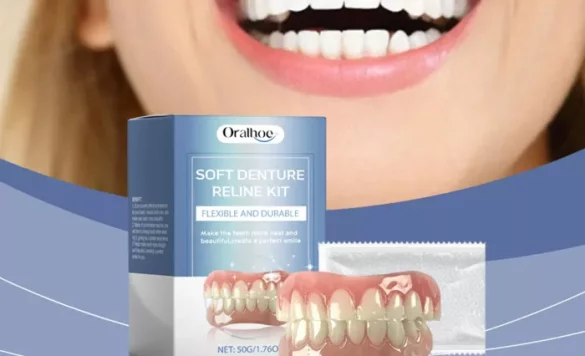
Using a denture repair kit can be a convenient solution for broken or loose dentures. However, excess glue may sometimes remain on the denture or in the mouth. Removing this glue is essential to avoid irritation, gum disease, or damage to sensitive teeth. This guide provides a step-by-step method to safely and effectively remove denture repair kit glue while maintaining oral health.
Understanding Denture Repair Kit Glue
Types of Denture Glue
Denture repair kits typically use two types of adhesive: temporary adhesives and permanent repair glue. Temporary adhesives allow adjustments and easy removal, while permanent glues provide a stronger bond but are more challenging to remove. Knowing which type of glue you are dealing with is crucial before attempting removal.
Risks of Improper Glue Removal
Removing denture glue improperly can lead to several dental issues. Using sharp tools or harsh chemicals can damage the denture, cause cuts in the gums, or worsen sensitive teeth. Moreover, residual glue left in the mouth may increase the risk of gum disease and inflammation. It is important to follow a safe and methodical approach.
Preparation Before Glue Removal
Gather Necessary Materials
Before starting, prepare all the materials needed for safe glue removal. You will need:
- Warm water
- Mild dish soap or denture cleaner
- Soft toothbrush or denture brush
- Plastic or wooden dental pick (avoid metal tools)
- Soft cloth or towel
- Protective gloves (optional)
Maintain Oral Hygiene
Before handling dentures, brush your teeth gently and rinse your mouth. This helps reduce the risk of gum disease and protects sensitive teeth. It also ensures that any remaining glue in your mouth does not mix with food debris or bacteria.
Step-by-Step Guide to Removing Denture Glue
Step 1: Soak Dentures in Warm Water
Start by soaking the denture in warm water for 10 to 15 minutes. Warm water softens the glue, making it easier to remove without damaging the denture surface. Avoid using boiling water as it can warp acrylic or plastic dentures.
Step 2: Apply Mild Soap or Denture Cleaner
After soaking, apply a small amount of mild dish soap or denture cleaner to the denture. Use a soft toothbrush to gently scrub areas with glue. Focus on corners and crevices where glue is likely to adhere. This method reduces friction and protects sensitive areas of the denture.
Step 3: Use a Plastic or Wooden Pick
For stubborn glue, carefully use a plastic or wooden dental pick. Avoid metal tools as they may scratch the denture surface or injure gums if used in the mouth. Work slowly and gently, lifting glue residues without applying excessive force.
Step 4: Rinse Thoroughly
Once the glue is loosened, rinse the denture thoroughly with warm water. Ensure no glue remains in cracks or grooves. Residual adhesive can irritate gums and contribute to gum disease if left untreated.
Step 5: Dry and Inspect
Pat the denture dry with a soft cloth and inspect carefully. Look for any remaining glue and repeat the cleaning process if necessary. Make sure that all surfaces are clean to prevent irritation and maintain denture hygiene.
Dealing with Glue on Gums or Sensitive Teeth
Gentle Rinsing Technique
If glue contacts your gums or sensitive teeth, rinse your mouth immediately with warm water. Avoid using chemical solvents in the mouth as they can burn or damage soft tissues. Gentle rinsing helps prevent inflammation and protects against gum disease.
Using Dental Floss Carefully
For glue stuck between teeth, use dental floss carefully. Slide the floss gently to dislodge adhesive without harming sensitive teeth or gums. This technique minimizes trauma and maintains oral health.
Seek Professional Help if Needed
If glue remains on dentures or in the mouth despite your efforts, consult a dental professional. Dentists can remove adhesive safely and inspect for potential damage or irritation. This is particularly important for individuals prone to gum disease or with sensitive teeth.
Preventive Measures for Future Denture Repairs
Use Correct Glue Amount
Apply only the recommended amount of denture glue during repairs. Excess adhesive increases removal difficulty and raises the risk of irritation. Following the manufacturer’s instructions ensures a safer repair process.
Regular Denture Cleaning
Maintain dentures with daily cleaning using mild soap and a soft brush. Regular cleaning prevents adhesive buildup, reduces the risk of gum disease, and protects sensitive teeth from irritation.
Consider Professional Repairs
For severe or repeated denture damage, professional repair may be a safer option. Dentists use specialized adhesives and tools to ensure proper bonding and minimal residue. This reduces risks to gums and sensitive teeth.
Common Mistakes to Avoid
Using Sharp Metal Objects
Metal tools can scratch dentures or injure gums. Always use soft dental picks or wooden instruments for glue removal.
Ignoring Residual Glue
Even small amounts of leftover glue can irritate gums or accumulate bacteria, leading to gum disease. Ensure thorough cleaning for optimal oral health.
Applying Excessive Force
Forceful scraping may break dentures or harm sensitive teeth. Patience and gentle techniques are key to safe glue removal.
Conclusion
Removing denture repair kit glue safely requires preparation, the right tools, and careful technique. Soaking dentures, using mild soap, gentle brushing, and proper dental picks help protect gums and sensitive teeth. Following this step-by-step guide prevents gum disease, ensures hygiene, and prolongs the life of dentures. For stubborn glue or if irritation occurs, always consult a dental professional.