


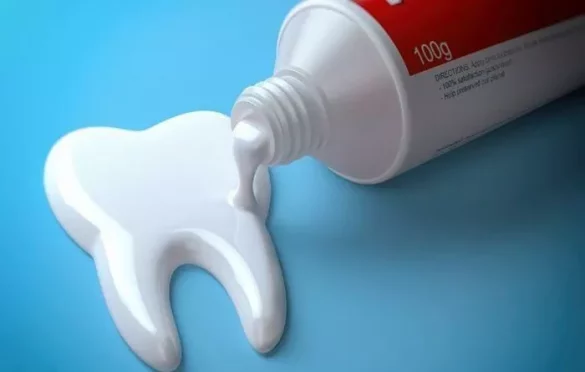
Tooth decay is the most common chronic condition affecting permanent teeth worldwide. Many adults experience the sharp sting of decay every time they take a sip of cold water.
A new study suggests that toothpaste made from keratin, a protein found in hair, could help protect and repair teeth. Unlike traditional treatments that act as temporary fixes, keratin-based products may guide the formation of an enamel-like layer on worn surfaces. The research was conducted at King’s College London (KCL), within the Faculty of Dentistry, Oral and Craniofacial Sciences. Lead author Sara Gamea and senior author Dr. Sherif Elsharkawy spearheaded the study.
Hair Protein for Tooth Repair
Keratin is a structural protein abundant in hair and wool. It can be extracted and processed into films, hydrogels, and scaffolds for biomedical applications. The study leverages biomineralization—the natural process by which tissues organize minerals such as hydroxyapatite crystals—to restore hardness and resilience. Achieving true enamel repair has long been a challenge for researchers.
Testing Keratin Toothpaste
The team created water-based keratin films that self-assemble and then tested whether these templates could organize calcium and phosphate from saliva-like solutions into enamel-like minerals. In laboratory models of early “white spot” lesions, keratin infiltrated porous enamel and supported the growth of tightly integrated crystals. This process improved both the appearance and mechanical strength of the enamel without the need for drilling.
Researchers outlined two possible delivery methods: a daily toothpaste for general use and a professional gel for targeted treatment. They noted that consumer products could be available within two to three years if development progresses smoothly.
Keratin vs. Current Options
Fluoride toothpaste reduces the risk of cavities compared with non-fluoride formulas, and higher concentrations show stronger effects in children and adolescents. However, fluoride alone cannot rebuild enamel where the surface has already worn away.
Dentists often turn to resin infiltration to seal pores. But this plastic-based approach can release trace monomers and by-products with potential cytotoxic effects in laboratory studies. Composite restorations are another option, yet they carry risks of failure over time, including secondary cavities and fractures, which often necessitate replacement.
Keratin-based toothpaste may offer a promising new approach that moves beyond temporary repairs toward restoring natural enamel.