


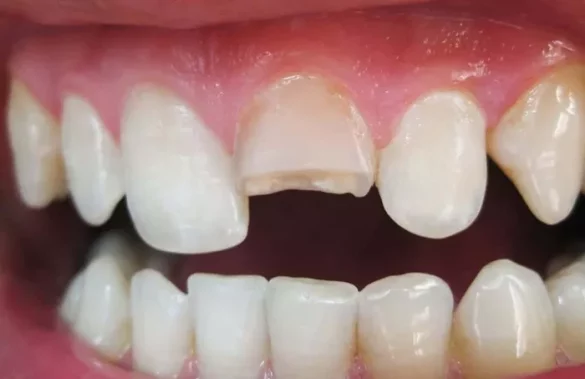
A chipped tooth occurs when part of the tooth enamel breaks off due to trauma, biting hard foods, or tooth decay. Chipped teeth can range from minor cracks to large fractures that expose the inner layers of the tooth. This damage can lead to sensitive teeth and discomfort while eating or drinking. In some cases, untreated chips may worsen, leading to infection or gum disease.
Common Causes of a Chipped Tooth
There are several common reasons why teeth chip:
- Accidental falls or sports injuries
- Biting hard foods like candy, ice, or nuts
- Teeth grinding or bruxism
- Decay or weak enamel due to poor dental hygiene
Immediate Steps After Chipping a Tooth
If you chip a tooth, quick action is essential. Here are immediate steps:
- Rinse your mouth with warm water
- Use a cold compress to reduce swelling if necessary
- Save any broken pieces of the tooth
- Avoid chewing on the affected side
Prompt treatment reduces the risk of infection and further damage, particularly for those with sensitive teeth or existing gum disease.
Dental Treatments Cost for A Chipped Tooth
The cost of fixing a chipped tooth depends on the type and severity of the damage. Here are the most common treatments:
Dental Bonding
Dental bonding is a procedure where a tooth-colored resin is applied and hardened with a special light. This treatment is usually suitable for small chips or cracks. Bonding is one of the most affordable options and can often be completed in a single visit.
Cost Without Insurance
The cost of dental bonding without insurance typically ranges from $100 to $400 per tooth. Prices vary depending on location and the dentist’s experience.
Dental Veneers
Veneers are thin shells of porcelain or composite material that cover the front surface of teeth. They are recommended for larger chips or for cosmetic improvement of multiple teeth. Veneers provide a natural look and protect the underlying tooth from further damage.
Cost Without Insurance
Veneers are more expensive than bonding. On average, porcelain veneers cost between $800 and $2,500 per tooth without insurance.
Dental Crowns
Crowns are used when a tooth is severely chipped or weakened. The crown covers the entire tooth, restoring function and strength. Crowns are ideal for patients with extensive damage or existing dental issues such as gum disease or decay.
Cost Without Insurance
The cost of a dental crown without insurance typically ranges from $1,000 to $3,500 per tooth. Material choice, such as porcelain or zirconia, affects the price.
Root Canal Therapy
If the chip exposes the tooth pulp, a root canal may be necessary before placing a crown. This procedure removes infected tissue inside the tooth and prevents further infection.
Cost Without Insurance
Root canal therapy without insurance can cost between $700 and $1,500 per tooth. This cost is often followed by the price of a crown.
Factors Affecting the Cost of Tooth Repair
Several factors influence the overall cost of fixing a chipped tooth:
- The size and location of the chip
- The type of restoration needed (bonding, veneer, crown)
- The dentist’s experience and location
- Additional procedures, such as root canal or gum treatment
- Material used for the restoration
Managing Costs Without Insurance
Patients without dental insurance still have options to reduce costs:
Dental Discount Plans
These plans are not insurance but provide discounts on procedures. Many clinics accept these plans, reducing out-of-pocket costs by 10–60%.
Payment Plans
Many dental offices offer financing or monthly payment plans. This allows patients to spread the cost of crowns or veneers over several months, making treatment more affordable.
Community Dental Clinics
Community clinics often provide lower-cost services for uninsured patients. Some operate on a sliding fee scale based on income.
Dental Schools
Dental schools provide treatment by supervised students at a reduced price. Bonding, veneers, and crowns are often available at 30–70% of standard rates.
Preventing Future Chipped Teeth
Preventing chips is essential for maintaining oral health and avoiding costs. Tips include:
- Wearing mouthguards during sports
- Avoiding chewing hard objects
- Maintaining proper dental hygiene
- Managing bruxism with night guards
- Regular dental checkups to monitor gum disease or weakened enamel
When to See a Dentist Immediately
Seek urgent dental care if the chip causes:
- Severe pain or sensitive teeth
- Bleeding or exposed pulp
- Difficulty chewing or speaking
- Signs of infection, including swelling or pus
Insurance Considerations
If you have dental insurance, the cost of repairing a chipped tooth may be partially covered. Most insurance plans cover preventive care, but coverage for bonding, crowns, or veneers depends on the plan. Without insurance, patients should explore alternatives mentioned above.
Understanding Coverage Limits
Insurance policies often have annual maximums. If the cost of a crown or veneer exceeds this limit, you may need to pay the remainder out-of-pocket. Understanding your plan helps prevent unexpected bills.
Pre-Authorization
Some insurance providers require pre-authorization for crowns or root canals. Confirming coverage before treatment ensures you are aware of costs and reduces surprises.
Conclusion
Fixing a chipped tooth without insurance requires planning and understanding treatment options. Dental bonding, veneers, and crowns offer effective solutions depending on the severity of the chip. Costs vary widely, from $100 for minor bonding to $3,500 for extensive crowns. Exploring dental discount plans, community clinics, and payment plans can make treatment more affordable. Maintaining proper dental hygiene, avoiding trauma, and monitoring gum disease or sensitive teeth are key to preventing future damage. Always consult a dentist promptly to protect oral health and ensure lasting results.