


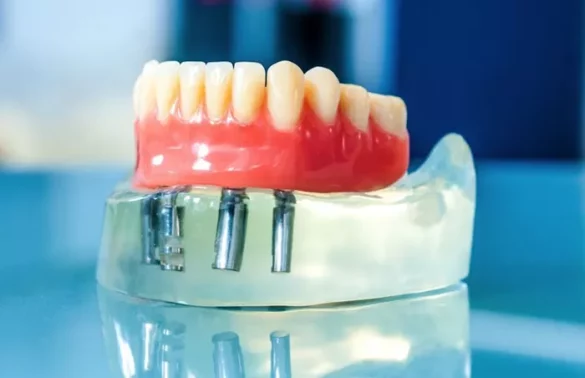
Dental implants are a popular and reliable solution for replacing missing teeth. The procedure involves placing a titanium post into the jawbone, which acts as an artificial root. Over time, the implant fuses with the bone through a biological process called osseointegration. Many patients ask whether they will feel discomfort during this healing phase. To answer this question, we must examine the healing process, possible causes of pain, and methods to manage sensitivity.
Understanding Osseointegration
Osseointegration is the process in which the bone cells attach to the surface of the titanium implant. This fusion creates a stable foundation for the final crown or bridge. Osseointegration usually takes several weeks to a few months. Although the process itself is not painful because bone does not contain pain receptors, patients may experience discomfort from surrounding tissues.
The Role of Jawbone in Healing
The jawbone provides structural support for the implant. During osseointegration, the bone gradually remodels around the implant. This biological activity is silent, meaning you will not directly feel it. However, swelling, gum tenderness, or temporary Sensitive Teeth sensations may occur in nearby areas due to soft tissue healing.
Factors Affecting Osseointegration
- Bone density and quality
- Presence of gum disease
- Smoking or poor oral hygiene
- General health conditions such as diabetes
- Medications that affect bone healing
Will I Feel Discomfort While the Implant Fuses with My Jawbone
It is important to separate immediate post-surgical discomfort from sensations during osseointegration. Right after surgery, it is normal to experience swelling, bruising, and mild pain. These symptoms typically subside within a week. During the later healing stage, most patients feel little or no discomfort while the implant bonds with the jawbone.
1. Short-Term Discomfort
Within the first few days, you may notice gum soreness, minor bleeding, or jaw stiffness. Dentists usually prescribe pain relievers and recommend soft foods to reduce strain on the implant site. Good oral care helps prevent infection and supports faster healing.
2. Long-Term Discomfort
If discomfort continues beyond the first few weeks, it may indicate issues such as infection, nerve irritation, or implant instability. Persistent pain should always be assessed by a dental professional. In most cases, patients report only minor sensitivity or no discomfort at all once the initial healing has passed.
Possible Causes of Extended Discomfort
While most people do not feel significant discomfort during osseointegration, certain conditions may create unpleasant sensations. Recognizing these causes helps ensure timely treatment.
Gum Disease and Inflammation
If gum disease develops around the implant, the gums may become swollen, red, and painful. This condition, called peri-implantitis, can threaten implant stability if untreated. Regular check-ups and good oral hygiene are essential for prevention.
Infection Around the Implant
An infection can occur if bacteria enter the surgical site. Symptoms include persistent pain, pus, swelling, or bad taste in the mouth. Antibiotic therapy or professional cleaning may be required to control the infection.
Bone Healing Complications
In rare cases, the bone does not bond with the implant. This can result in loosening and discomfort. Dentists may recommend bone grafting or implant replacement if osseointegration fails.
Pressure on Surrounding Teeth
Some patients experience sensitivity in adjacent teeth due to temporary pressure shifts. This sensitivity usually resolves as the bone stabilizes around the implant.
Managing Discomfort During Healing
There are many strategies to manage discomfort while waiting for osseointegration to complete. Proper care reduces risks and ensures a more comfortable recovery.
Pain Management Strategies
- Over-the-counter pain medications as directed by your dentist
- Cold compresses during the first 48 hours
- Eating soft foods to minimize chewing stress
- Keeping the head elevated during sleep to reduce swelling
Oral Hygiene Practices
Maintaining oral hygiene is critical to prevent infection. Use a soft-bristled toothbrush, avoid harsh rinsing in the first days, and later rinse gently with an antibacterial mouthwash. Avoid smoking or alcohol during healing, as both can slow down osseointegration.
When to Seek Professional Help
Although mild discomfort is normal, certain symptoms indicate the need for urgent evaluation. These include:
- Persistent pain beyond two weeks
- Swelling that worsens over time
- Bleeding that does not stop
- Implant mobility
- Signs of infection such as fever or pus
Long-Term Comfort After Osseointegration
Once the implant fully fuses with the jawbone, most patients enjoy a natural and comfortable result. A properly integrated implant feels like a natural tooth and does not cause ongoing discomfort. With regular check-ups and proper oral care, implants can last decades or even a lifetime.
Implant Success and Patient Comfort
Success rates for dental implants are over 95%. Most patients report that any discomfort is temporary and manageable. Once healed, implants allow normal chewing, speaking, and smiling without pain.
Conclusion
While you may experience mild discomfort after implant placement, you should not feel significant pain while the implant fuses with your jawbone. The osseointegration process itself is not painful, although soft tissue healing may cause sensitivity. With good care and professional monitoring, discomfort is minimal, and long-term comfort is the rule. If unusual or prolonged pain occurs, seeking prompt dental evaluation ensures the implant remains healthy and stable.