


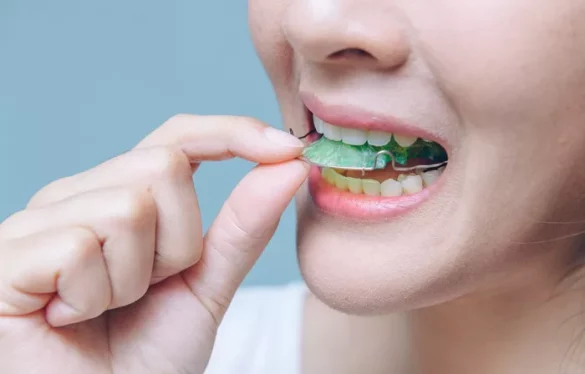
Retainers are common dental devices prescribed after orthodontic treatment. They help maintain the position of teeth once braces or aligners are removed. Many patients wonder if a retainer can also correct new tooth misalignment. This article explores whether retainers can realign teeth, the science behind their function, their limitations, and the alternatives available for long-term dental health.
What Is A Retainer?
A retainer is a custom-made appliance that holds teeth in their corrected position after orthodontic treatment. Retainers can be removable or fixed. They are usually made of plastic, acrylic, or metal. Dentists prescribe them to prevent relapse, which is when teeth shift back to their original positions. Retainers are an essential part of orthodontic aftercare.
Why Teeth Shift After Orthodontic Treatment
Teeth are not static. They are anchored by the periodontal ligament and surrounded by bone. Natural forces such as chewing, swallowing, and even gum inflammation can cause small movements over time. Other reasons for shifting include:
- Incomplete bone remodeling after braces removal.
- Natural aging and jaw growth.
- Tooth extractions leaving space for teeth to drift.
- Habits such as tongue thrusting or thumb sucking.
- Periodontal disease causing gum and bone loss.
Retainers play a crucial role in countering these forces and stabilizing the teeth.
Can Retainers Realign Teeth?
Retainers are primarily designed to maintain alignment, not to create new alignment. However, in limited cases, retainers can influence small tooth movements. This depends on the type of retainer, the extent of misalignment, and the patient’s dental history.
Removable Retainers
Removable retainers, such as Hawley retainers or clear plastic retainers, are not intended to exert significant force. They can guide teeth slightly but cannot correct severe crowding or spacing. If teeth shift noticeably, removable retainers will not be effective in realignment.
Fixed Retainers
Fixed retainers are thin wires bonded behind the front teeth. They prevent shifting but cannot realign teeth once movement has occurred. Their role is strictly retention.
Specialized Retainers
In some cases, orthodontists may prescribe an “active retainer.” These retainers apply gentle pressure to move teeth back into minor alignment. They are limited in scope and are not a replacement for braces or clear aligners.
How Much Can a Retainer Move Teeth?
A retainer can realign teeth if the movement required is minimal. Examples include:
- Closing very small gaps after tooth extractions.
- Correcting minor relapse after braces.
- Realigning a single rotated tooth.
These movements are small and slow. If significant crowding or misalignment is present, orthodontic treatment with braces or aligners is necessary.
Signs That a Retainer is Not Enough
Patients should consult their dentist or orthodontist if they notice any of the following:
- Retainer no longer fits comfortably.
- Noticeable overlapping or rotation of teeth.
- Persistent gum inflammation around shifting teeth.
- Difficulty with bite alignment when chewing.
These signs suggest that the misalignment is beyond the capacity of a retainer and requires professional orthodontic care.
Risks of Relying on Retainers for Realignment
Using retainers improperly for realignment can cause dental problems:
- Gum inflammation due to poorly fitting retainers.
- Tooth mobility if pressure is unevenly applied.
- Jaw discomfort from an incorrect bite.
- Increased risk of cavities if oral hygiene is compromised by ill-fitting devices.
For these reasons, retainers should not be used as a substitute for orthodontic treatment without guidance from a dental professional.
Alternatives to Retainers for Realignment
When misalignment exceeds the corrective capacity of retainers, dentists recommend other options:
Braces
Traditional braces use brackets and wires to apply continuous force. They can correct severe crowding, spacing, and bite issues. Braces are often the best choice for comprehensive alignment.
Clear Aligners
Clear aligners, such as Invisalign, are removable trays designed to gradually move teeth. They are discreet and effective for mild to moderate misalignment. Aligners also require good patient compliance.
Orthodontic Appliances
Other appliances, such as palatal expanders or space maintainers, may be used in younger patients. These are necessary when misalignment results from growth discrepancies or premature tooth extractions.
Importance of Retainers After Realignment
Once orthodontic treatment is complete, retainers ensure stability. Without retention, teeth naturally relapse. Patients must wear retainers as prescribed by their orthodontist. This may mean nightly wear for several years or, in some cases, lifelong retention.
Maintaining Retainers and Oral Health
Retainers must be kept clean to avoid bacterial buildup. Patients should brush retainers with a soft toothbrush, rinse with lukewarm water, and avoid hot water that may warp the device. Proper care prevents gum inflammation, cavities, and bad breath. Regular dental checkups help monitor both tooth alignment and retainer condition.
Role of Periodontal Health in Tooth Stability
Healthy gums and bone are crucial for keeping teeth aligned. Gum disease weakens support structures, making teeth more prone to shifting. Regular dental cleanings, brushing, flossing, and avoiding smoking protect periodontal health. Even the best retainer cannot prevent misalignment if gum inflammation or periodontal disease is present.
What to Do if Teeth Have Already Shifted
If teeth have shifted despite wearing a retainer, patients should:
- Visit their orthodontist for assessment.
- Discuss whether a new retainer or aligner treatment is needed.
- Address any contributing factors, such as gum inflammation or tooth extractions.
- Consider re-treatment with braces or aligners for significant movement.
Delaying treatment allows misalignment to worsen, which may later require more extensive intervention.
Conclusion
Retainers are effective at holding teeth in place after orthodontic treatment. They can realign teeth only in very limited cases of minor relapse. For moderate or severe misalignment, braces, aligners, or other orthodontic appliances are required.
Patients should not rely on retainers alone for significant realignment. Maintaining oral hygiene, preventing gum inflammation, and attending regular dental visits are equally important for long-term stability. If teeth have shifted, early consultation with an orthodontist provides the best chance of restoring alignment without complex procedures.