


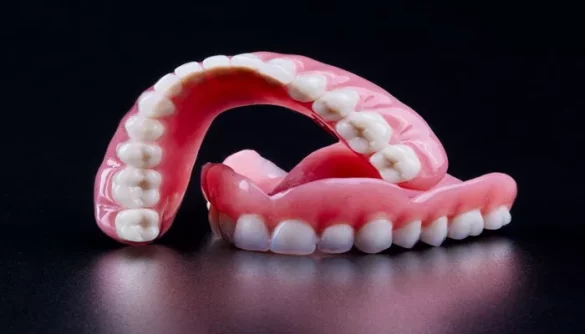
Immediate dentures are a type of dental prosthesis placed immediately after tooth extraction. They help maintain appearance, support facial structure, and improve speech and chewing while gums heal. Patients often choose immediate dentures to avoid the gap period after extractions. However, there are important considerations and adjustments needed for a smooth transition.
Why Immediate Dentures Are Recommended
Immediate dentures are often recommended for patients with advanced gum disease, severely decayed teeth, or multiple extractions. They provide several benefits:
Maintain Facial Appearance
Tooth loss can cause sagging of facial muscles. Immediate dentures help support cheeks and lips, preserving facial structure.
Support Speech and Eating
Missing teeth affect speech clarity and chewing. Immediate dentures allow patients to continue daily activities without major disruptions.
Protect Healing Gums
Immediate dentures act as a protective cover for healing gums, reducing trauma and irritation from external factors.
Preparation for Immediate Dentures
Proper preparation ensures successful denture fitting. The process involves several steps:
Comprehensive Dental Examination
Before extraction, a dentist will assess oral health, including gum disease, tooth decay, and bone structure. X-rays and impressions of the mouth are often taken.
Discussing Expectations
Patients are informed about the denture process, adjustments, and potential discomfort. Understanding what to expect helps manage anxiety and sets realistic goals.
Choosing Denture Materials
Immediate dentures are commonly made of acrylic, which is lightweight and durable. The dentist may also discuss options for more natural-looking materials for better aesthetics.
Tooth Extraction and Immediate Denture Placement
The placement of immediate dentures involves careful coordination between tooth extraction and denture fitting.
Tooth Extraction Procedure
Teeth are extracted under local anesthesia. The dentist ensures minimal trauma to surrounding gum tissue to promote faster healing.
Fitting the Immediate Denture
Immediately after extraction, the denture is inserted. Adjustments may be needed to accommodate the swelling and shape of the gums. It is normal for dentures to feel tight initially.
Initial Discomfort and Adjustment
Patients may experience sore spots, pressure, or minor bleeding. These issues are common and usually resolve within the first few weeks as the gums adapt.
Adjusting to Immediate Dentures
Adjustment is key for comfort and function. Denture wearers should follow guidelines closely.
Speech Adjustment
New dentures can affect pronunciation. Practicing speaking slowly and reading aloud helps the tongue and lips adapt to the prosthesis.
Eating with Immediate Dentures
Start with soft foods and gradually include harder textures. Bite and chew slowly to avoid dislodging the denture or irritating healing gums.
Managing Sore Spots and Sensitive Teeth
Sore spots can develop due to uneven pressure. Denture adhesives may help. Sensitive teeth or exposed gum areas may require additional care or adjustment by the dentist.
Oral Hygiene and Denture Care
Maintaining oral hygiene is crucial for overall dental health and the longevity of immediate dentures.
Cleaning the Denture
Remove the denture at night and clean it with a soft brush and denture cleaner. Avoid hot water, which can warp acrylic material.
Cleaning Gums and Remaining Teeth
Brush gums, tongue, and any remaining teeth gently to remove plaque and reduce the risk of gum disease. A healthy oral environment promotes faster healing.
Regular Dental Checkups
Follow-up appointments are necessary for relining or adjusting dentures as gums heal. Dentists monitor for infection, irritation, or pressure sores.
Common Challenges with Immediate Dentures
Immediate dentures are beneficial, but some challenges are expected during the adjustment period.
Gum Shrinkage
Gums and bone shrink after tooth extraction, causing dentures to become loose. Relining or rebasing the denture ensures a better fit.
Speech and Eating Difficulties
Temporary difficulties with pronunciation and chewing are normal. Consistent practice and dietary adjustments help overcome these challenges.
Managing Sore Spots and Irritation
Pressure points may occur where the denture rubs against the gums. Dentists can adjust the denture to relieve discomfort and prevent sores.
Long-Term Care and Maintenance
Proper care extends the life of immediate dentures and maintains oral health.
Denture Relining
As gums heal and shrink, relining restores a snug fit. This prevents movement and reduces irritation of sensitive teeth and soft tissue.
Monitoring Oral Health
Regular dental exams are essential for detecting gum disease, bone changes, or other issues early. Immediate denture wearers must maintain vigilant oral hygiene.
Adapting Lifestyle Habits
Avoid chewing very hard foods or using teeth as tools. Smoking and poor diet can affect gum healing and denture lifespan.
When to Seek Professional Help
Immediate dentures may require timely professional attention in some cases:
Persistent Pain or Sores
If discomfort persists beyond a few weeks, consult a dentist. Persistent sores can lead to infection or ulceration.
Difficulty Eating or Speaking
Struggling with chewing or speech may indicate the need for denture adjustment. Early correction improves comfort and function.
Loose or Ill-Fitting Dentures
Loose dentures can cause irritation and accelerate bone resorption. Relining or replacement is recommended to maintain a proper fit.
Psychological Adjustment
Adapting to immediate dentures involves more than physical adjustments. Patients may experience emotional challenges.
Confidence and Self-Esteem
Immediate dentures restore a natural appearance, helping patients regain confidence in social situations. Patience and support are important during adaptation.
Managing Expectations
Immediate dentures are temporary in terms of fit. Understanding that adjustments and relines are part of the process helps reduce frustration.
Conclusion
Getting immediate dentures is a transformative experience that preserves appearance, supports oral function, and protects healing gums. Understanding the process, managing discomfort, practicing proper oral hygiene, and attending follow-up appointments are key for success. While challenges such as sore spots, gum sensitivity, and loose fit may occur, professional guidance ensures a smooth transition. By following instructions and maintaining realistic expectations, patients can enjoy improved confidence and quality of life with immediate dentures.