


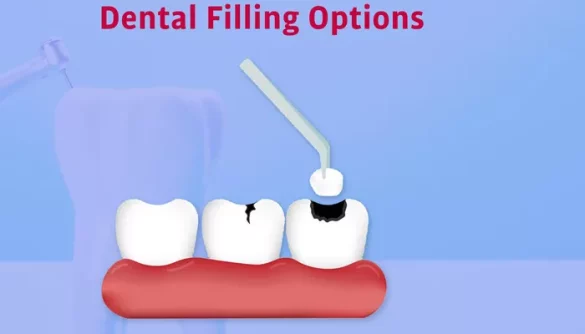
Dental fillings are one of the most common restorative procedures in dentistry. They are used to repair teeth damaged by cavities, trauma, or wear. Fillings restore the tooth’s structure, function, and appearance. Without proper treatment, tooth decay can progress, leading to pain, gum disease, and even tooth loss. Choosing the right type of filling depends on factors such as the location of the tooth, the extent of decay, and the patient’s personal preferences.
Why Fillings are Important
Fillings are critical in maintaining oral health. They prevent further decay, protect sensitive teeth, and restore chewing efficiency. When cavities are left untreated, bacteria can spread to the gums, causing gum disease and increasing the risk of infection. Sensitive teeth can also result from untreated cavities. Fillings help reduce discomfort caused by exposure to hot or cold foods.
Overview of the Three Most Common Types of Fillings
There are several types of dental fillings available. However, the three most commonly used are amalgam fillings, composite fillings, and ceramic or porcelain fillings. Each type has distinct advantages and disadvantages, which we will discuss in detail.
Amalgam Fillings
Amalgam fillings have been used for over 150 years. They are made from a combination of metals, including silver, tin, copper, and mercury. Amalgam is known for its strength and durability, making it suitable for back teeth that endure heavy chewing pressure.
Advantages of Amalgam Fillings
- Very strong and long-lasting, often lasting 10–15 years.
- Resistant to wear and tear from chewing.
- Generally less expensive than other filling types.
Disadvantages of Amalgam Fillings
Noticeable metallic color, which may not be aesthetically pleasing.
Potential sensitivity to temperature changes.
Concerns about mercury content, though modern amalgam is considered safe by major dental associations.
Composite Fillings
Composite fillings are made from a resin material that can be matched to the natural color of teeth. This makes them highly aesthetic and ideal for visible areas, such as front teeth. Composite fillings bond directly to the tooth structure, which provides additional support and reduces the risk of further decay.
Advantages of Composite Fillings
- Can be color-matched to the natural tooth, enhancing appearance.
- Bond directly to the tooth, adding structural support.
- Less removal of healthy tooth structure is required compared to amalgam.
Disadvantages of Composite Fillings
- Less durable than amalgam, especially on back teeth with heavy chewing.
- May stain over time from coffee, tea, or smoking.
- Longer placement time, requiring precise layering and curing.
Ceramic or Porcelain Fillings
Ceramic or porcelain fillings are made from strong dental ceramics. They are highly durable and aesthetically pleasing, often used for larger cavities or for patients who prefer a natural look. Ceramic fillings are custom-made in a dental lab and then bonded to the tooth.
Advantages of Ceramic Fillings
- Highly aesthetic and resistant to staining.
- Very durable and long-lasting, often over 15 years.
- Custom-made for a precise fit.
Disadvantages of Ceramic Fillings
- More expensive than amalgam and composite fillings.
- Requires multiple visits for proper placement.
- More brittle than composite, which may risk chipping under heavy force.
Factors to Consider When Choosing a Filling
Several factors influence the choice of filling material. These include the location of the cavity, the patient’s age, aesthetic preferences, budget, and susceptibility to gum disease or tooth sensitivity. Your dentist will evaluate the extent of decay and your oral health history to recommend the best option.
Tooth Location
Back teeth require strong materials like amalgam or ceramic due to heavy chewing forces. Front teeth benefit from composite or ceramic fillings for a natural appearance.
Extent of Decay
Larger cavities may need ceramic fillings for durability. Small cavities can be effectively treated with composite or amalgam fillings.
Personal Preferences
Some patients prefer tooth-colored fillings for aesthetic reasons. Others prioritize longevity and may choose amalgam or ceramic.
Oral Health Considerations
Patients prone to gum disease or with sensitive teeth may benefit from composite or ceramic fillings, which are less likely to exacerbate sensitivity compared to metal fillings.
Care and Maintenance of Fillings
Maintaining good oral hygiene is essential to prolong the life of fillings. Brush twice daily, floss regularly, and schedule dental check-ups every six months. Avoid chewing hard objects, which can damage fillings. Proper care reduces the risk of secondary decay and protects against gum disease and sensitive teeth.
Signs That a Filling Needs Attention
- Tooth sensitivity to hot, cold, or sweet foods.
- Visible cracks or chips in the filling.
- Discomfort or pain when chewing.
- Dark edges around the filling indicating possible decay.
When to See Your Dentist
Regular dental visits are crucial. If you notice any of the signs above, contact your dentist promptly. Early intervention can prevent further damage and reduce the risk of gum disease or severe tooth sensitivity.
Conclusion
Understanding the three most common types of dental fillings—amalgam, composite, and ceramic—helps patients make informed decisions about their oral health. Each type has unique benefits and considerations, from durability and aesthetics to cost and maintenance. Regular dental care, proper hygiene, and timely treatment of cavities are essential for preventing complications such as gum disease and sensitive teeth. Consulting with a dentist ensures the best choice of filling material tailored to individual needs, helping maintain a healthy, functional, and beautiful smile for years to come.