


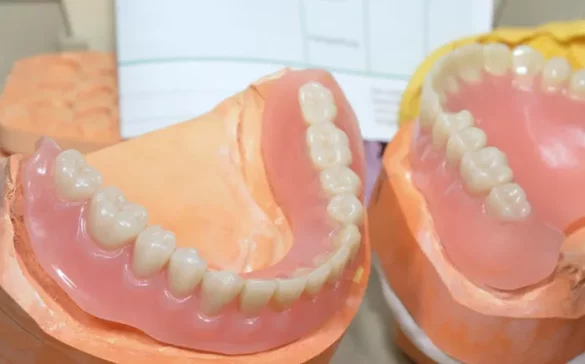
Dentures are removable dental appliances designed to replace missing teeth. They restore the ability to chew, speak, and smile with confidence. However, not all areas of the mouth are fully covered by dentures. One common question is why dentures often leave the roof of the mouth, or the palate, uncovered. Understanding this can help individuals maintain better oral health and prevent complications like gum disease or sensitive teeth.
The Anatomy of the Roof of Your Mouth
Hard and Soft Palate
The roof of the mouth consists of two main parts: the hard palate and the soft palate. The hard palate is the bony front portion that provides structure and support for the upper teeth. The soft palate is the flexible, muscular back portion that aids in swallowing and speaking. Dentures primarily rest on the gums and alveolar ridge, which is the bone supporting your teeth, rather than the palate.
Role in Oral Functions
The roof of the mouth plays a key role in speech, taste, and swallowing. It also protects underlying tissues and nerves. Since dentures do not always cover the palate, individuals may experience changes in taste perception and the way food feels when chewing. Additionally, exposure of the palate allows saliva to flow naturally, which is important for oral health.
Why Dentures Often Leave the Palate Exposed
Design Considerations
Denture design prioritizes comfort and fit. Covering the entire palate with acrylic can create a bulky feel and interfere with speech. Many dentists choose a palateless or partially palatal denture design, especially for patients with gag reflex issues or sensitive mouths. This design improves comfort while still supporting effective chewing and speaking.
Gag Reflex and Sensitivity
Some individuals have a strong gag reflex, which can be triggered if dentures extend too far into the palate. By leaving the roof of the mouth uncovered, denture wearers experience less discomfort and are more likely to wear their dentures consistently. Additionally, some patients have sensitive teeth and gums, and a palateless design reduces pressure on these areas.
Benefits of Leaving the Palate Uncovered
Improved Taste and Food Sensation
When dentures do not cover the palate, taste buds on the roof of the mouth remain exposed. This allows patients to enjoy the full flavor of food. Full-palate dentures can dull taste perception and reduce the enjoyment of eating.
Enhanced Comfort and Adaptation
Palateless dentures are less bulky, reducing irritation and soreness. This design also makes it easier for new denture wearers to adapt to their appliance. Over time, patients often report better satisfaction with comfort and speech clarity.
Natural Saliva Flow
Leaving the palate uncovered allows saliva to circulate naturally. Saliva protects against gum disease and tooth decay, even in partially dentate mouths. It helps keep tissues hydrated and maintains the oral pH balance, which is important for preventing infections and sensitive teeth.
Potential Challenges of Palateless Dentures
Reduced Suction and Stability
Full coverage dentures create suction that helps keep the denture in place. Palateless designs may have less suction, which can make them less stable. Dentists may use clasps or precision attachments to improve retention. Regular dental checkups are essential to ensure a proper fit and prevent irritation.
Cleaning and Maintenance
Even though the palate is uncovered, it still requires regular cleaning. Food debris and bacteria can accumulate on the roof of the mouth, leading to gum disease or bad breath. Patients should brush their palate gently with a soft toothbrush or use antimicrobial mouth rinses recommended by their dentist.
Adjustment Period
Some patients may initially experience sensitivity on the exposed palate. This usually diminishes as the tissues adapt to the absence of denture coverage. Regular follow-ups with a dental professional help address any discomfort and ensure proper oral hygiene practices.
Gum Disease and Denture Use
Impact on Gums
Dentures rest on the gums and alveolar ridge. If not fitted properly, they can irritate the gums, causing redness, inflammation, and eventually gum disease. Palateless dentures reduce the pressure on sensitive gum tissue and minimize the risk of sores and infections.
Preventive Care
To prevent gum disease, denture wearers should remove their dentures nightly and soak them in a denture-cleaning solution. Daily brushing of remaining natural teeth and gums is essential. Professional dental cleaning every six months helps maintain gum health and prevent complications related to sensitive teeth and tissues.
Special Considerations for Sensitive Teeth
Exposed Roots and Receding Gums
Patients with sensitive teeth often have exposed roots due to gum recession. Dentures that avoid covering the palate reduce pressure on these areas, preventing additional discomfort. Dentists may also recommend desensitizing toothpaste or topical fluoride treatments to manage sensitivity.
Choosing the Right Denture Type
For individuals with sensitive teeth, flexible dentures or partial dentures may be a better choice than full acrylic dentures. These designs provide support without putting excessive pressure on the gums or sensitive areas of the mouth. Discussing options with a dental professional ensures a customized fit that balances comfort and function.
Oral Hygiene Practices with Palateless Dentures
Daily Cleaning Routine
Palateless dentures require a consistent cleaning routine. Rinse dentures after every meal to remove food particles. Brush your dentures with a non-abrasive denture brush to avoid scratches that can harbor bacteria. Clean your gums, tongue, and palate gently to prevent gum disease and maintain overall oral health.
Regular Dental Visits
Even without full-palate coverage, regular dental checkups are crucial. Dentists can monitor gum health, adjust the denture fit, and identify early signs of disease. Regular exams also help protect sensitive teeth and ensure the denture continues to function effectively.
Alternatives and Advanced Options
Implant-Supported Dentures
For patients seeking better stability, implant-supported dentures may be an option. These dentures attach to dental implants anchored in the jawbone. Some designs still leave the palate uncovered while providing superior retention and support, reducing the risk of irritation and gum disease.
Custom Palate Covers
In some cases, patients may choose a thin, custom palate cover. This can protect sensitive areas without creating bulk. Dental professionals can design these covers to improve comfort, taste perception, and oral function while minimizing the disadvantages of full-palate dentures.
Conclusion
Understanding why dentures do not always cover the roof of your mouth is important for maintaining oral health. Palateless or partially palatal dentures offer improved comfort, taste, and saliva flow. They reduce pressure on sensitive teeth and gums while helping prevent gum disease. Proper hygiene, regular dental checkups, and consultation with a dental professional are key to achieving the best outcomes. With the right approach, patients can enjoy the benefits of dentures without compromising oral function or comfort.