


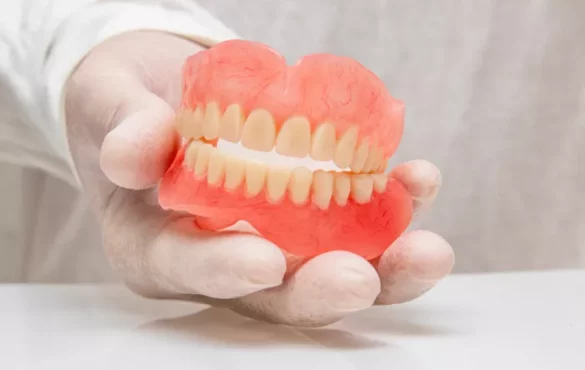
Dentures are removable dental appliances designed to replace missing teeth. They help restore the ability to chew, speak, and maintain facial structure. However, new denture wearers often face challenges when adjusting to chewing food.
Understanding the design and function of dentures can help patients manage these difficulties effectively.
Types of Dentures
There are several types of dentures available. Complete dentures replace all teeth in the upper or lower jaw. Partial dentures replace only a few missing teeth and are usually anchored to existing teeth. Immediate dentures are placed right after tooth extraction, while conventional dentures are fitted after the gums have healed. Each type affects chewing differently.
Materials Used in Dentures
Dentures are typically made of acrylic, metal, or flexible resin. Acrylic is lightweight and affordable but may wear down faster. Metal-based dentures offer durability and strength but can feel heavier. Flexible dentures provide comfort but may require extra care. The material can influence how easy it is to chew food.
Challenges of Chewing with Dentures
Many denture wearers experience difficulty chewing at first. These challenges can vary depending on the type of dentures, the material, and the wearer’s oral health. Understanding common issues can help patients adapt faster.
Reduced Bite Force
Unlike natural teeth, dentures do not have roots embedded in the jawbone. This reduces the bite force and makes it harder to chew tough foods like meat, raw vegetables, and nuts. Patients may need to cut food into smaller pieces and chew slowly.
Slippage and Movement
Improperly fitted dentures can slip or move while eating. This movement can cause discomfort, affect chewing efficiency, and even lead to gum sores. Using denture adhesives or having dentures adjusted by a dentist can help reduce slippage.
Changes in Taste and Texture Sensitivity
Some patients report changes in taste or sensitivity to textures after receiving dentures. This can make certain foods less enjoyable and harder to chew. Over time, most people adapt as the mouth becomes accustomed to the appliance.
How Dentures Affect the Mouth
Dentures interact directly with the gums and oral tissues. They can influence overall oral health, particularly if proper hygiene is not maintained.
Impact on Gums
Gums may become sore or irritated from dentures, especially during the initial adjustment period. Continuous irritation can increase the risk of gum disease if not addressed. Regular dental checkups and proper denture cleaning can minimize these risks.
Bone and Jaw Changes
Wearing dentures may not prevent jawbone resorption, which occurs after tooth loss. Changes in the bone structure can affect the fit of dentures and make chewing harder over time. Periodic adjustments and relining of dentures can help maintain comfort and functionality.
Effect on Oral Muscles
Chewing with dentures requires more effort from the oral muscles. The tongue, cheeks, and jaw must work together to stabilize the dentures while eating. Regular practice and exercises can strengthen these muscles, improving chewing ability.
Adjusting to Chewing with Dentures
Adapting to dentures takes time and patience. Proper techniques and gradual changes in diet can make the transition smoother.
Starting with Soft Foods
Begin with soft foods like mashed potatoes, scrambled eggs, and yogurt. These foods require minimal chewing and allow the gums to adapt without irritation. Slowly introduce firmer foods as comfort increases.
Cutting Food into Small Pieces
Cutting food into bite-sized pieces reduces pressure on the dentures and makes chewing easier. Chew evenly on both sides of the mouth to maintain stability and prevent tipping or slippage.
Practicing Proper Chewing Techniques
Chew slowly and deliberately, avoiding excessive force. Focus on moving the jaw in a smooth, even motion. Patients may also practice chewing with their dentures at home using small pieces of soft food to build confidence and muscle memory.
Using Denture Adhesives
Denture adhesives can improve stability and reduce slippage. They provide a temporary solution for patients adjusting to new dentures. However, adhesives should not replace regular dental visits or proper denture fitting.
Dental Care for Denture Wearers
Maintaining oral hygiene and taking care of dentures is crucial to avoid complications such as gum disease and discomfort.
Cleaning Dentures Properly
Remove dentures daily and clean them with a soft brush and mild denture cleaner. Avoid using toothpaste, as it can be abrasive. Soaking dentures in a cleaning solution overnight helps remove bacteria and plaque.
Maintaining Healthy Gums
Brush gums, tongue, and roof of the mouth with a soft toothbrush daily. This stimulates circulation, reduces the risk of gum disease, and helps prevent irritation from dentures.
Managing Sensitive Teeth
Partial denture wearers may have remaining natural teeth that become sensitive due to pressure or decay. Use fluoride toothpaste, avoid extremely hot or cold foods, and consult a dentist if sensitivity persists.
Regular Dental Checkups
Visit your dentist at least twice a year for denture adjustments, oral exams, and professional cleaning. Dentists can detect early signs of gum disease, jaw changes, or denture damage, ensuring long-term comfort and oral health.
Foods to Avoid with Dentures
Certain foods can make chewing difficult or damage dentures. Being cautious with diet is essential for new denture wearers.
Hard and Sticky Foods
Hard foods like nuts and raw carrots can strain dentures. Sticky foods like caramel or chewing gum may dislodge dentures or adhere to the appliance, causing damage.
Foods that Require Biting with Front Teeth
Apples, corn on the cob, and similar foods can be challenging. Cut them into smaller pieces or cook them to soften. Using dentures to bite directly can lead to slippage and discomfort.
Hot and Cold Foods
Dentures reduce sensation in the mouth, making temperature extremes harder to detect. Be cautious with very hot or cold foods to prevent burns or discomfort. Over time, some patients regain better temperature sensitivity.
Psychological Adjustment to Dentures
Chewing with dentures is not only physical but also psychological. Some patients feel self-conscious or frustrated initially.
Building Confidence
Start by eating small meals at home and gradually progress to eating in public. Familiar foods and routines help build confidence. Support from family and friends can make the process easier.
Patience and Persistence
Adapting to dentures can take weeks or even months. Be patient and persistent. Regular practice with proper techniques will lead to improved chewing ability and overall comfort.
Conclusion
Chewing with dentures can be challenging initially due to reduced bite force, slippage, and gum sensitivity. However, with proper care, dietary adjustments, and regular dental checkups, most patients adapt successfully. Maintaining oral hygiene, monitoring for gum disease, and addressing sensitive teeth are essential for long-term denture comfort. By understanding the challenges and applying practical strategies, denture wearers can enjoy a healthy, functional, and satisfying chewing experience.