


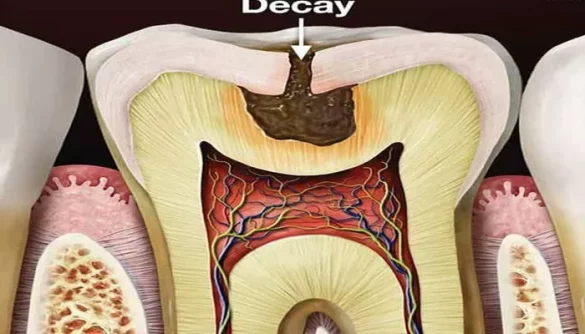
A dental filling is a common treatment used to repair a tooth damaged by decay. Many patients believe that once a tooth is filled, it becomes immune to further decay. However, this is not entirely true. Teeth can still develop decay even after they have been filled. Understanding why this happens is essential for maintaining long-term dental health. This article will explore the causes, risk factors, and preventive strategies related to post-filling decay.
How Fillings Work
Purpose of a Filling
A filling restores the structure of a tooth weakened by cavities. It prevents further damage and restores function for chewing and speaking. Common materials include composite resin, amalgam, gold, and ceramic. Each material has advantages and limitations in terms of durability, aesthetics, and resistance to decay.
Limitations of Fillings
While fillings repair damaged areas, they do not protect the rest of the tooth from future decay. The margins of a filling, where it meets natural tooth structure, are particularly vulnerable. Bacteria can accumulate in tiny gaps and cause new decay. Additionally, fillings can wear down, crack, or become loose over time, creating pathways for bacteria.
Reasons a Tooth Can Decay After a Filling
Secondary Decay
Decay that develops around the edges of a filling is called secondary decay or recurrent decay. It occurs when bacteria penetrate gaps between the filling and the tooth. This type of decay is often more difficult to detect and can progress beneath the filling without visible signs.
Poor Oral Hygiene
Even after a filling, poor oral hygiene increases the risk of new decay. Plaque buildup on teeth and along filling margins can lead to cavities. Brushing at least twice a day, flossing, and using antibacterial mouth rinses are essential to prevent decay around fillings.
Diet and Lifestyle Factors
Frequent consumption of sugary and acidic foods promotes tooth decay. Acidic foods weaken enamel, while sugar feeds harmful bacteria. Smoking, excessive alcohol consumption, and dry mouth conditions also contribute to higher decay risk. A healthy diet and proper hydration support long-term dental health.
Filling Material and Technique
The type of filling and how it is placed influence its longevity. Composite fillings bond to tooth structure but may shrink slightly during curing, leaving small gaps. Amalgam is more durable but may not adhere as tightly. Poor placement or old fillings can increase the likelihood of decay around the restoration.
Tooth Structure and Weakness
Teeth that are heavily filled or cracked are more susceptible to new decay. Large fillings can weaken remaining tooth structure. Natural grooves and fissures on the tooth surface may harbor bacteria and become decay sites even after a filling.
Signs of Decay After a Filling
Visible Changes
Look for dark spots or discoloration near the edges of a filling. Chips, cracks, or gaps between the filling and tooth may indicate underlying decay.
Sensitivity and Pain
New or persistent tooth sensitivity, especially to hot, cold, or sweet foods, can signal decay. Pain when biting may also indicate a problem beneath the filling.
Bad Breath or Taste
Bacterial growth around a compromised filling can cause persistent bad breath or a metallic taste in the mouth. These are subtle signs of potential secondary decay.
Diagnosis of Decay After a Filling
Clinical Examination
Regular dental checkups allow your dentist to inspect fillings and detect early signs of decay. Using dental explorers, the dentist can identify soft areas or gaps in the tooth.
X-Rays
X-rays are essential for detecting decay beneath or around fillings. Radiographs reveal cavities not visible to the naked eye, helping prevent extensive damage.
Advanced Diagnostic Tools
Some clinics use laser fluorescence devices to detect early decay. These tools measure changes in tooth structure and provide more precise assessments, especially for hidden decay under fillings.
Preventing Decay After a Filling
Maintain Excellent Oral Hygiene
Brushing twice a day with fluoride toothpaste, flossing daily, and using an antibacterial mouthwash help prevent plaque accumulation around fillings.
Regular Dental Visits
Routine checkups every six months allow for early detection of secondary decay. Your dentist can polish, repair, or replace fillings before problems worsen.
Limit Sugary and Acidic Foods
Reducing sugar intake and avoiding frequent snacking can lower decay risk. Acidic foods and drinks should be consumed in moderation to protect enamel and filled teeth.
Use Fluoride Treatments
Topical fluoride strengthens enamel and reduces the risk of decay. Your dentist may recommend professional fluoride applications for high-risk patients.
Consider Dental Sealants
For teeth with deep grooves, sealants can provide an extra layer of protection. They help prevent bacteria from settling in areas where fillings are less effective.
When to Replace a Filling
Signs of Wear or Damage
Cracks, chips, or loose fillings should be replaced promptly. Ignoring these signs can lead to extensive decay and the need for more complex dental treatments.
Persistent Decay Under a Filling
If decay is detected beneath an existing filling, the old filling must be removed. The area is then cleaned and a new filling or crown may be placed depending on the extent of damage.
Preventive Replacement
Some dentists recommend replacing older fillings after 10–15 years even if no decay is present. Over time, fillings may weaken or shrink, increasing the risk of secondary decay.
Conclusion
While dental fillings repair teeth, they do not make them immune to future decay. Secondary decay, poor oral hygiene, diet, and filling material all influence the risk. Early detection through regular dental visits, maintaining proper oral hygiene, and managing lifestyle factors are essential. Understanding that a filled tooth still needs care can prevent further damage and preserve dental health for years.