


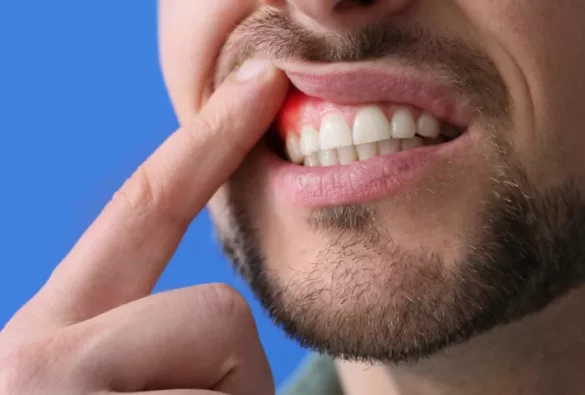
Gingivitis is the earliest stage of gum disease. It occurs when plaque builds up along the gumline, causing inflammation.
This condition is common and often reversible if detected early. Gingivitis does not always cause pain, so many people may not notice it until it progresses.
Causes of Gingivitis
Gingivitis is primarily caused by plaque accumulation. Plaque is a sticky film of bacteria that forms on teeth. If plaque is not removed by regular brushing and flossing, it can harden into tartar. Other factors that contribute to gingivitis include smoking, hormonal changes, poor nutrition, certain medications, and systemic diseases such as diabetes.
Symptoms of Gingivitis
Common signs of gingivitis include:
- Red, swollen gums
- Bleeding during brushing or flossing
- Bad breath (halitosis)
- Tenderness in the gums
These symptoms are usually mild at first, making early detection challenging. Regular dental checkups are crucial to identifying gingivitis before it progresses.
The Reversibility of Gingivitis
One of the key aspects of gingivitis is that it is reversible if treated promptly. Proper oral hygiene and professional dental care can restore gum health. This includes thorough brushing, flossing, and regular dental cleanings to remove plaque and tartar.
Steps to Reverse Gingivitis
Effective management of gingivitis involves:
Improved Oral Hygiene: Brushing at least twice a day and flossing daily to remove plaque.
Professional Dental Cleaning: Regular cleanings remove tartar that cannot be removed by brushing alone.
Antimicrobial Mouthwash: Using mouthwash can reduce bacterial load and inflammation.
Addressing Risk Factors: Quitting smoking, managing diabetes, and maintaining a balanced diet support gum health.
When Is It Too Late to Reverse Gingivitis?
If gingivitis is left untreated, it can advance to periodontitis. Unlike gingivitis, periodontitis is not fully reversible. It causes permanent damage to the gums, periodontal ligaments, and jawbone. Early intervention is critical to prevent this progression.
Signs Gingivitis Is Advancing
Advanced gingivitis or early periodontitis may present as:
- Gums that recede from the teeth
- Formation of pockets between teeth and gums
- Persistent bad breath
- Loose teeth or changes in bite
Once these signs appear, simple oral hygiene may not be enough. Professional periodontal treatment is required to manage the condition.
Factors That Make Reversal More Difficult
Several factors can reduce the effectiveness of gingivitis treatment, including:
Delayed Detection: The longer gingivitis remains untreated, the greater the risk of irreversible damage.
Systemic Health Issues: Conditions like diabetes and immune disorders can impair gum healing.
Poor Oral Hygiene Habits: Inconsistent brushing and flossing make it harder to control inflammation.
Smoking: Nicotine reduces blood flow to the gums, slowing healing.
Professional Interventions for Advanced Gingivitis
When gingivitis becomes severe, dental professionals may use several interventions:
Scaling and Root Planing
This deep cleaning removes plaque and tartar from below the gumline. It smooths the roots to help gums reattach to teeth.
Antibiotic Therapy
Topical or oral antibiotics may be prescribed to control bacterial infection. This can help reduce inflammation and support gum healing.
Surgical Treatments
In cases where periodontitis has developed, procedures such as flap surgery or bone grafts may be necessary. These treatments aim to restore damaged gum tissue and bone.
Preventing Gingivitis from Becoming Irreversible
Prevention is the most effective strategy to avoid irreversible gum damage. Key preventive measures include:
Regular Dental Checkups
Visiting your dentist every six months allows early detection and management of gingivitis.
Consistent Oral Hygiene
Brushing twice daily and flossing once daily are essential. Using fluoride toothpaste and a soft-bristled toothbrush helps protect gums and teeth.
Healthy Lifestyle Choices
Eating a balanced diet, quitting smoking, and managing chronic diseases improve gum health and overall oral hygiene.
Conclusion
Gingivitis is reversible if caught early. Ignoring symptoms can lead to periodontitis, which causes permanent gum and bone damage. Understanding the warning signs, maintaining good oral hygiene, and seeking professional care promptly are crucial. Once gum disease progresses past gingivitis, it may be too late for complete reversal, but treatment can still control the condition and prevent further damage.