


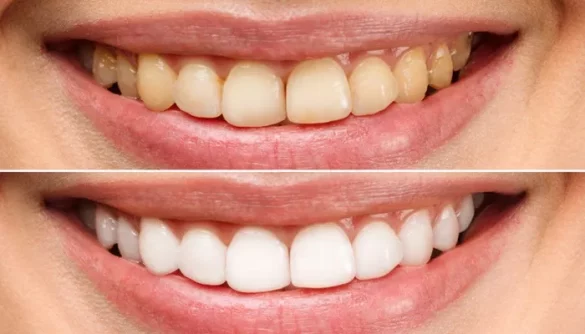
Tooth color varies from person to person. Many people think that perfectly white teeth are healthy. However, natural teeth are rarely pure white. They usually have a shade of white, yellow, or cream. Light yellow teeth are often normal. The color comes from the dentin layer inside the tooth, which shows through the enamel.
The Structure of a Tooth
Each tooth has three main layers: enamel, dentin, and pulp. Enamel is the hard outer layer that protects teeth from decay. Dentin lies beneath enamel and is naturally yellowish. The pulp contains nerves and blood vessels. The thickness and transparency of enamel can affect the shade of your teeth. Thin enamel can make teeth appear more yellow.
Factors Influencing Tooth Color
Several factors influence whether your teeth look light yellow or another shade. Genetics plays a major role. Some people naturally have thicker enamel, while others have more visible dentin. Age also affects tooth color. As we grow older, enamel wears down, revealing more of the yellow dentin. Lifestyle habits such as smoking, drinking coffee, tea, or red wine, and poor oral hygiene can also contribute to yellowing.
Are Light Yellow Teeth Healthy?
Light yellow teeth are not necessarily unhealthy. Color alone does not indicate decay or disease. Many dentists consider light yellow teeth normal. The health of teeth is measured by strength, absence of cavities, gum health, and no signs of infection.
Indicators of Healthy Teeth
Even if teeth are yellowish, certain signs show they are healthy. These include:
Strong enamel: Teeth feel smooth and hard, without visible cracks.
No pain or sensitivity: Healthy teeth do not cause discomfort when eating hot or cold foods.
Healthy gums: Gums are pink, firm, and do not bleed during brushing or flossing.
Absence of cavities: Teeth have no visible holes, dark spots, or decay.
Proper alignment: Teeth are well-positioned and bite is comfortable.
When Yellow Teeth May Indicate Problems
Yellow teeth are usually normal, but sometimes discoloration signals issues. These include:
Plaque buildup: Soft, sticky deposits can cause yellow stains. Poor brushing increases this risk.
Tartar formation: Hardened plaque, called tartar, appears yellow or brown and can lead to gum disease.
Tooth decay: Cavities may cause yellow, brown, or dark spots on teeth.
Enamel erosion: Acidic foods, excessive brushing, or acid reflux can thin enamel, making teeth look more yellow.
Causes of Light Yellow Teeth
Genetic Factors
Some people inherit thicker dentin or thinner enamel, which affects tooth color. This is normal and not harmful. Teeth may appear light yellow even with excellent oral hygiene.
Aging
Enamel wears down naturally over time. As enamel thins, the yellow dentin becomes more visible. Aging teeth may look yellow but remain healthy if cared for properly.
Diet and Lifestyle
Foods and drinks can affect tooth color. Coffee, tea, red wine, and dark-colored foods can stain teeth. Smoking is a major cause of yellow teeth. Even healthy teeth may become discolored if exposed to these factors regularly.
Poor Oral Hygiene
Not brushing or flossing properly allows plaque to build up. Over time, plaque hardens into tartar, causing yellow or brown teeth. Brushing twice daily, flossing, and regular dental visits help prevent this.
Maintaining Healthy Light Yellow Teeth
Daily Oral Care
Brushing twice a day with fluoride toothpaste removes plaque and prevents yellowing. Flossing daily removes debris between teeth. Use a soft-bristled toothbrush to avoid enamel erosion.
Regular Dental Checkups
Visit your dentist at least twice a year. Professional cleaning removes tartar and stains. Dentists can also check for cavities, gum disease, and other issues. Early detection keeps teeth healthy even if they are yellowish.
Dietary Tips
Reduce consumption of staining foods and drinks. Drink water after meals to wash away acids and pigments. Eat crunchy vegetables like carrots and celery to naturally clean teeth. Dairy products help strengthen enamel.
Avoid Harmful Habits
Quit smoking and limit alcohol consumption. Avoid excessive acidic drinks like soda, which erode enamel. Overuse of whitening products can weaken enamel and cause sensitivity.
Safe Whitening Options
If you want to improve appearance, consider safe whitening. Professional whitening by a dentist is controlled and effective. Over-the-counter whitening products can work but should be used carefully. Avoid harsh or abrasive methods that damage enamel.
When to See a Dentist
Even light yellow teeth can hide problems. See a dentist if you notice:
- Persistent discoloration that changes quickly.
- Tooth sensitivity or pain.
- Bleeding or swollen gums.
- Visible holes or dark spots on teeth.
Professional evaluation ensures teeth are healthy and provides guidance on safe whitening or preventive care.
Conclusion
Light yellow teeth are usually healthy. Color alone does not determine oral health. Healthy teeth are strong, cavity-free, and supported by healthy gums. Genetics, aging, diet, and habits influence tooth color. Proper oral hygiene, regular dental checkups, and mindful habits help maintain healthy teeth. Safe whitening options are available for cosmetic improvements, but they are not required for health. Accepting the natural shade of your teeth can be part of good oral care and confidence in your smile.