


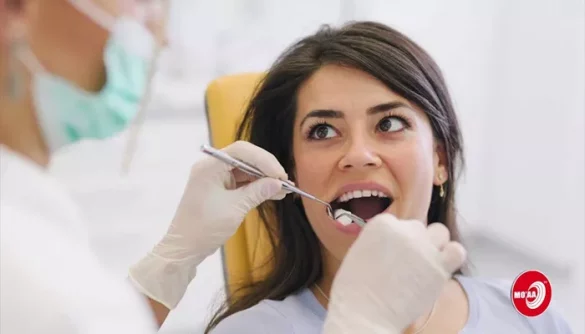
Cavities, also known as dental caries, are one of the most common oral health problems worldwide. They form when acids produced by bacteria erode the enamel, the hard outer layer of teeth. Untreated cavities can cause pain, infection, and even tooth loss. Therefore, preventive measures are crucial. Dentists use specific treatments to protect teeth and reduce the risk of cavities.
Dental Sealants: A Protective Barrier
What Are Dental Sealants?
Dental sealants are thin, protective coatings applied to the chewing surfaces of the back teeth. These teeth, known as molars and premolars, have grooves and pits that can trap food and bacteria. Sealants act as a barrier, preventing bacteria from reaching the enamel and forming cavities.
How Sealants Are Applied
The process of applying dental sealants is simple and painless. First, the dentist cleans the tooth thoroughly. Then, an acidic solution is applied to roughen the surface, allowing the sealant to adhere better. After rinsing and drying, the dentist applies the liquid sealant and hardens it using a special light. The procedure usually takes only a few minutes per tooth.
Effectiveness and Longevity
Dental sealants are highly effective at preventing cavities. Studies show that sealants can reduce the risk of decay by nearly 80% in molars. They typically last 5 to 10 years but require regular dental checkups to ensure they remain intact and effective.
Fluoride Treatments: Strengthening Tooth Enamel
What Is Fluoride?
Fluoride is a natural mineral that strengthens tooth enamel, making it more resistant to acid attacks from bacteria. It also helps repair early stages of tooth decay before cavities form.
Types of Fluoride Treatments
Dentists use several types of professional fluoride treatments, including:
Gel or Foam Treatments: Applied directly to the teeth using trays for several minutes.
Varnish: A sticky coating painted onto the teeth, which hardens and releases fluoride over time.
Fluoride Rinse: Used in the dental office to rinse teeth and provide an additional protective layer.
Frequency and Benefits
Fluoride treatments are recommended every three to six months, depending on an individual’s risk of cavities. Regular professional fluoride applications can significantly reduce the risk of decay, especially in children and adults prone to dental problems.
Antibacterial Coatings and Varnishes
Silver Diamine Fluoride
Silver diamine fluoride (SDF) is an antibacterial liquid applied to teeth to stop cavities from progressing. It is particularly useful for patients who cannot undergo traditional restorative treatments. SDF works by killing bacteria and strengthening enamel.
How SDF Is Used
The dentist applies SDF to the affected teeth using a small brush. The procedure is quick, painless, and does not require drilling. A side effect is that treated areas may turn dark, indicating that the decay is being controlled.
Preventive Resin Restorations
What Are Preventive Resin Restorations?
Preventive resin restorations (PRRs) are similar to sealants but are used when minor decay is already present. PRRs fill small cavities while protecting the tooth from further damage. They are made from composite resin and bond to the tooth surface.
Application Procedure
The dentist removes any decayed material, cleans the area, and applies the resin. The resin is then shaped and hardened with a light. PRRs preserve most of the natural tooth structure while preventing the cavity from growing larger.
Dental Bonding for Protection
What Is Dental Bonding?
Dental bonding uses a tooth-colored resin to cover cracks, chips, or grooves where bacteria can accumulate. While primarily used for cosmetic purposes, bonding also adds a protective layer that reduces the risk of cavities forming in vulnerable areas.
Bonding Procedure
The dentist roughens the tooth surface, applies the resin, and hardens it with a special light. Bonding is durable and can last several years with proper oral care.
Fluoride-Infused Dental Products
Fluoride Toothpaste and Mouth Rinses
Besides professional applications, dentists recommend fluoride toothpaste and mouth rinses for daily home use. Fluoride toothpaste should contain at least 1,000 parts per million (ppm) of fluoride. Mouth rinses can provide an additional layer of protection, especially for children and adults prone to cavities.
Benefits of Daily Fluoride Use
Consistent use of fluoride products strengthens enamel, repairs early decay, and reduces overall cavity risk. They are especially important for patients with a history of frequent cavities.
Dietary Considerations and Preventive Measures
Limiting Sugar and Acidic Foods
Bacteria in the mouth feed on sugars and produce acids that erode enamel. Reducing sugary and acidic foods and drinks helps lower cavity risk. Dentists often provide personalized dietary advice to complement preventive treatments.
Regular Dental Checkups
Routine dental visits allow early detection of decay and timely application of preventive treatments. Dentists check for wear on sealants, evaluate fluoride needs, and recommend additional protective measures if necessary.
Children and Cavity Prevention
Special Considerations for Children
Children are more susceptible to cavities due to developing enamel and eating habits. Dentists often recommend sealants and fluoride treatments as early as the first permanent molars appear, usually around age six. Regular dental visits and education on brushing and flossing are critical during childhood.
Adults and Ongoing Protection
Maintaining Dental Health in Adults
Adults can also benefit from sealants, fluoride treatments, and protective coatings. Adults with a history of cavities or exposed root surfaces may require targeted preventive measures. Dentists may recommend fluoride varnishes or bonding for additional protection.
Conclusion
Preventing cavities requires a combination of professional treatments and good oral hygiene habits. Dentists use sealants, fluoride applications, antibacterial coatings, resin restorations, and bonding to protect teeth. Combined with proper brushing, flossing, dietary choices, and regular dental visits, these treatments provide strong, long-lasting defense against tooth decay.