


Cavities, also known as dental caries, are one of the most common oral health problems worldwide. They form when acids produced by bacteria in the mouth erode the enamel of the teeth. While occasional cavities are not unusual, having a large number, such as ten, can indicate underlying oral health issues or lifestyle factors that need attention.
Understanding How Cavities Develop
Dental cavities develop gradually over time. The process begins when the bacteria in dental plaque feed on sugars from food and drinks, producing acids. These acids attack the hard enamel surface of teeth, causing demineralization. If left untreated, the enamel breaks down further, forming holes known as cavities.
Factors That Contribute to Cavities
Several factors influence the likelihood of developing cavities. These include:
Poor Oral Hygiene: Infrequent brushing or flossing allows plaque buildup, increasing acid attacks on teeth.
High Sugar Diet: Sugary foods and drinks provide fuel for cavity-causing bacteria.
Dry Mouth: Saliva helps neutralize acids and wash away food particles. A lack of saliva can increase cavity risk.
Genetics: Some individuals naturally have weaker enamel or higher susceptibility to cavities.
Medical Conditions: Conditions like diabetes or acid reflux can affect oral health and increase cavity formation.
Is Having 10 Cavities Normal?
While it is common for people to have a few cavities at some point in their lives, having ten is considered above average.
According to dental health studies, most adults experience 1 to 5 cavities throughout their lifetime. Ten cavities suggest either chronic oral hygiene issues or high-risk factors for tooth decay.
Age and Cavities
The number of cavities a person develops can vary by age. Children and teenagers are more prone due to developing teeth and dietary habits. Adults may develop cavities due to wear, gum recession, or medical conditions. Having ten cavities at once in an adult is less common and should prompt a professional dental evaluation.
Patterns of High Cavity Occurrence
Individuals with ten cavities often show patterns such as:
- Multiple cavities in molars and premolars, where food tends to accumulate.
- Recurring cavities in areas previously treated, indicating persistent oral hygiene challenges.
- Cavities linked to sugary or acidic dietary habits.
Health Implications of Multiple Cavities
Having multiple cavities is not only a dental concern but also a potential health risk. Untreated cavities can lead to:
Tooth Pain and Sensitivity: Cavities can cause discomfort when eating hot, cold, or sweet foods.
Infections: Severe cavities can reach the tooth pulp, leading to abscesses or systemic infections.
Tooth Loss: Extensive decay can destroy tooth structure, requiring extraction.
Gum Disease: Bacterial accumulation increases the risk of gingivitis and periodontitis.
Diagnosis and Dental Evaluation
Proper diagnosis is essential for managing multiple cavities. Dentists use:
Visual Examination: Identifying visible signs of decay on the tooth surface.
X-rays: Detecting hidden cavities between teeth or under fillings.
Oral Health History: Understanding diet, hygiene, and previous dental treatments.
Importance of Early Detection
Early detection of cavities allows for less invasive treatment and prevents complications. Treatments may include fluoride applications, dental fillings, or sealants. Delaying treatment can lead to more extensive procedures such as root canals or extractions.
Treatment Options for Multiple Cavities
Managing ten cavities requires a structured dental treatment plan. The main approaches include:
Dental Fillings
Fillings are the most common treatment. The decayed part of the tooth is removed, and a dental material, such as composite resin or amalgam, is used to restore tooth function.
Root Canal Therapy
If cavities reach the tooth pulp, root canal therapy may be necessary. This procedure removes the infected tissue and seals the tooth to prevent further infection.
Dental Crowns
Teeth that have large cavities or weakened structure may require crowns. Crowns protect the remaining tooth and restore strength and appearance.
Extractions
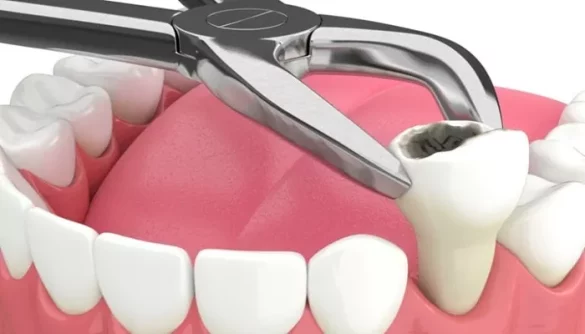
In severe cases where teeth cannot be saved, extraction may be the only option. Replacing missing teeth with implants, bridges, or dentures is essential for oral function.
Prevention Strategies
Preventing future cavities is crucial, especially after experiencing multiple cavities. Effective strategies include:
Proper Oral Hygiene
Brushing twice a day with fluoride toothpaste and flossing daily reduces plaque buildup. Using an antibacterial mouthwash can also help control harmful bacteria.
Dietary Modifications
Limiting sugary and acidic foods reduces the fuel for cavity-causing bacteria. Eating a balanced diet with sufficient calcium and vitamins supports enamel strength.
Regular Dental Visits
Visiting a dentist every six months for cleanings and check-ups helps detect cavities early and maintains overall oral health.
Fluoride Treatments and Sealants
Professional fluoride applications strengthen enamel. Dental sealants, applied to molars, create a protective barrier against decay.
Understanding Risk Factors
Knowing your risk factors can help in cavity prevention. High-risk individuals may have:
- History of multiple cavities in childhood or adulthood.
- Frequent snacking or high-sugar diet.
- Medical conditions affecting saliva flow, such as Sjogren’s syndrome or diabetes.
- Poor oral hygiene habits or limited access to dental care.
Behavioral Changes
Addressing lifestyle factors can reduce cavity risk. Limiting sugary snacks, improving brushing and flossing techniques, and using fluoride products are key steps.
Psychological and Social Implications
Having multiple cavities can affect self-esteem and quality of life. Dental pain can interfere with eating, speaking, and social interactions. Early intervention and proper treatment restore oral function and confidence.
Conclusion
While occasional cavities are normal, having ten cavities indicates a higher-than-average risk for dental decay. Multiple cavities can result from poor oral hygiene, dietary habits, medical conditions, and other risk factors. Early diagnosis, professional treatment, and strict preventive care are essential to avoid complications and maintain oral health.