


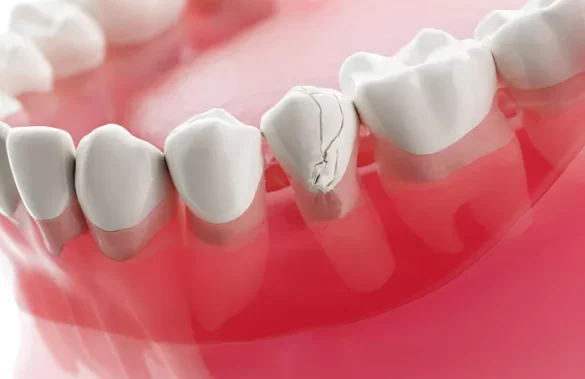
A broken tooth can happen due to accidents, decay, or biting on something hard. It can lead to pain, sensitivity, and difficulty chewing. Filling the tooth is a common dental procedure to restore its shape, function, and appearance.
Understanding the cost of filling a broken tooth is essential for planning your dental care.
Factors That Affect the Cost of a Tooth Filling
1. Material of the Filling
The type of material used greatly affects the cost of filling a broken tooth. Common materials include:
Amalgam (Silver) Fillings: These are made from a mixture of metals. They are durable and usually the least expensive option.
Composite (Tooth-Colored) Fillings: Made from resin, these blend with your natural teeth but are more expensive than amalgam.
Gold Fillings: Gold is strong and long-lasting but has a higher price point.
Ceramic Fillings: Often made from porcelain, ceramic fillings are esthetic and durable, but cost more than composite or amalgam.
2. Location and Dental Office
The cost of dental procedures can vary depending on the location of the dental clinic. Urban areas tend to have higher prices due to operational costs. Dental offices with advanced technology or specialized services may also charge more.
3. Extent of Tooth Damage
The severity of the break influences the cost. A minor chip might require a small filling, while a larger fracture might need more extensive restoration. Deep cracks near the pulp may require additional procedures such as a root canal before filling.
4. Insurance Coverage
Dental insurance can reduce out-of-pocket costs. Coverage varies by plan, so understanding your benefits is important. Some plans fully cover amalgam fillings but only partially cover composite fillings.
Average Costs of Tooth Fillings
1. Amalgam Fillings
The cost of amalgam fillings ranges between $50 and $150 per tooth. They are the most affordable and can last up to 10-15 years with proper care. They are often preferred for back teeth where strength is important.
2. Composite Fillings
Composite fillings typically cost between $90 and $250 per tooth. These fillings are popular for front teeth because they match the natural tooth color. They usually last 5-10 years.
3. Gold Fillings
Gold fillings range from $250 to $4,500 per tooth depending on size and market price of gold. They are extremely durable and may last over 20 years. Their cost can be high due to material and labor involved.
4. Ceramic Fillings
Ceramic or porcelain fillings usually cost between $250 and $4,000 per tooth. They are highly esthetic and stain-resistant. These fillings often require multiple visits to the dentist.
Additional Costs to Consider
1. Consultation and Examination Fees
Before a filling, a dentist performs an examination and may take X-rays. Consultation fees vary between $50 and $150. Some clinics include this in the treatment cost.
2. Local Anesthesia
Most fillings require local anesthesia to prevent discomfort. The cost for anesthesia can be $10 to $50 depending on the type used.
3. Follow-Up Visits
Some fillings require follow-up visits to check bite alignment or adjust the filling. These visits may cost extra if not included in the initial treatment.
Cost Comparison by Tooth Location
Front Teeth
Filling a broken front tooth often costs more because esthetic appearance is important. Composite or ceramic fillings are recommended. Average cost ranges from $150 to $400 per tooth.
Back Teeth
Back teeth experience more chewing pressure. Amalgam is commonly used, costing $50 to $150. Composite fillings may cost $100 to $250.
Ways to Reduce the Cost of Filling a Broken Tooth
1. Use Dental Insurance
Check your dental plan for coverage of fillings. Some plans cover up to 80% of the cost for certain materials. Always verify before the procedure.
2. Consider Dental School s
Dental schools offer treatments at lower costs. Procedures are performed by supervised students, which can save 30-50% of typical dental fees.
3. Payment Plans and Financing
Many dental offices offer payment plans to spread the cost over several months. This helps manage higher-cost fillings like gold or ceramic.
4. Preventive Measures
Maintaining oral hygiene reduces the chance of tooth breakage. Brushing twice daily, flossing, and avoiding hard foods help prevent fillings and lower long-term costs.
Signs That You Need a Tooth Filling
1. Visible Crack or Chip
If you see a broken or chipped tooth, prompt dental attention is necessary. Small cracks can worsen over time and lead to pain or infection.
2. Tooth Sensitivity
Sensitivity to hot, cold, or sweet foods can indicate enamel loss. A filling can protect the tooth from further damage and relieve discomfort.
3. Pain When Biting
Pain during chewing may mean the inner layers of the tooth are exposed. Filling the tooth restores function and prevents additional procedures like root canals.
Types of Dental Fillings for Broken Teeth
1. Direct Fillings
Direct fillings are applied directly to the tooth and shaped immediately. Amalgam and composite fillings are examples. They are suitable for minor cracks or chips.
2. Indirect Fillings
Indirect fillings, like inlays and onlays, are made outside the mouth using impressions. They are then bonded to the tooth. Indirect fillings are used for larger breaks or teeth under heavy chewing pressure.
3. Temporary Fillings
Temporary fillings may be used when immediate restoration is not possible. They protect the tooth until a permanent filling or crown can be placed.
Potential Risks and Considerations
1. Allergic Reactions
Some patients may react to metals in amalgam or gold fillings. Composite materials can also cause sensitivity in rare cases. Discuss allergies with your dentist beforehand.
2. Filling Failure
Fillings can crack, chip, or fall out over time. Regular dental check-ups help identify problems early and extend the lifespan of the filling.
3. Tooth Sensitivity
Some teeth are sensitive after filling, especially when composites are used. Sensitivity often resolves in a few days but should be monitored.
Long-Term Care After Filling a Broken Tooth
1. Maintain Oral Hygiene
Brush at least twice a day and floss daily to prevent decay around the filling. This helps extend the lifespan of the restoration.
2. Avoid Hard Foods
Chewing hard objects like ice or nuts can damage fillings. Be cautious with sticky candies as they may dislodge composite fillings.
3. Regular Dental Visits
Schedule check-ups every six months. Your dentist will check the integrity of the filling and make adjustments if needed.
Conclusion
Filling a broken tooth restores function, appearance, and oral health. Costs vary based on material, location, severity, and insurance coverage. Amalgam fillings are affordable and durable, while composite and ceramic offer esthetic options.
Planning your dental care, using insurance, and considering preventive measures can help manage costs effectively. Consult your dentist promptly to avoid further damage and ensure a long-lasting solution.